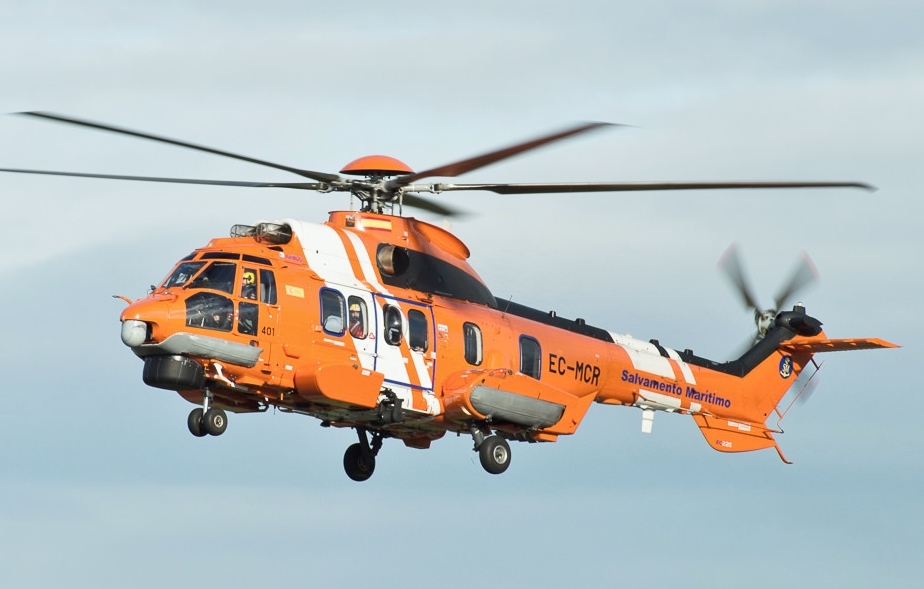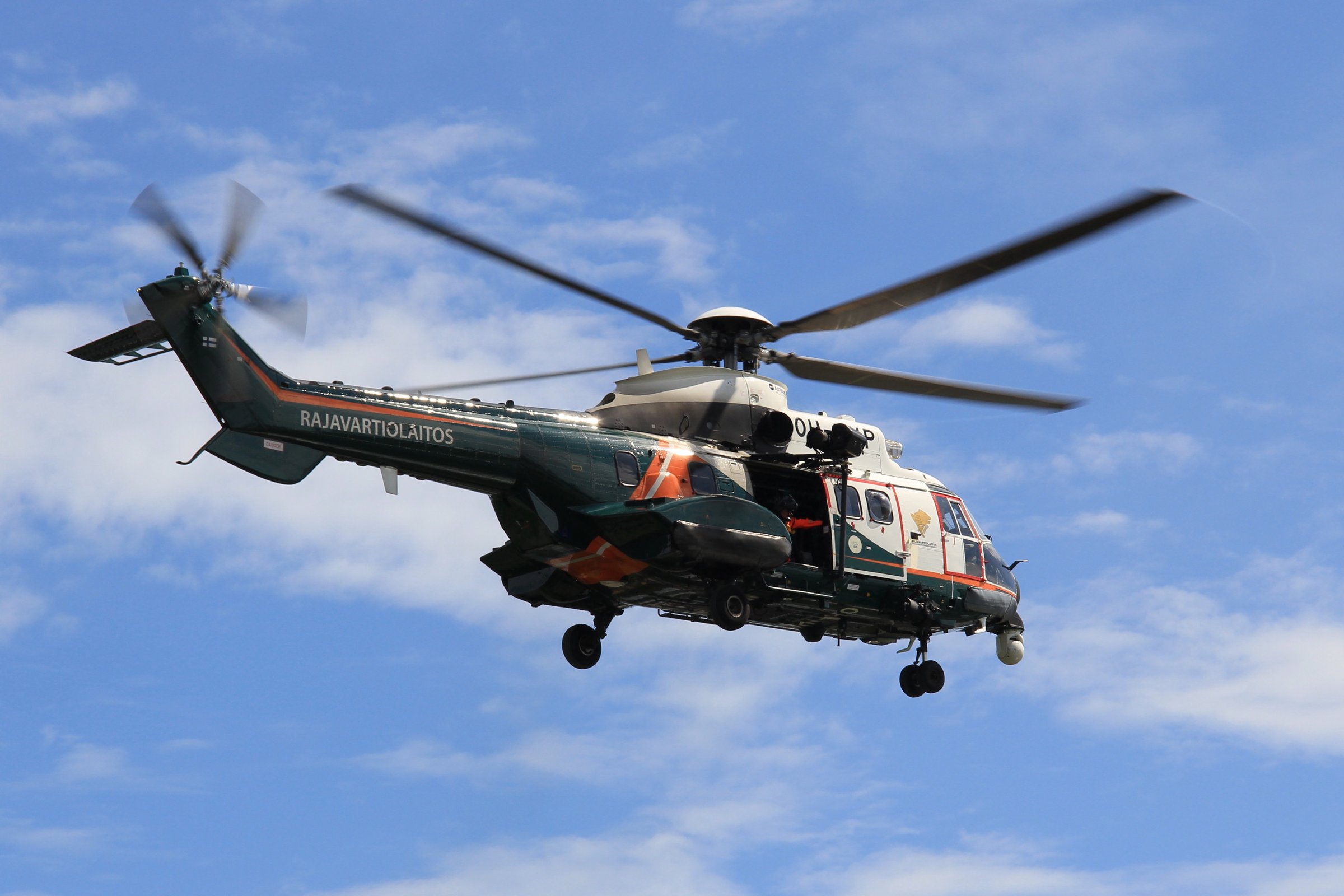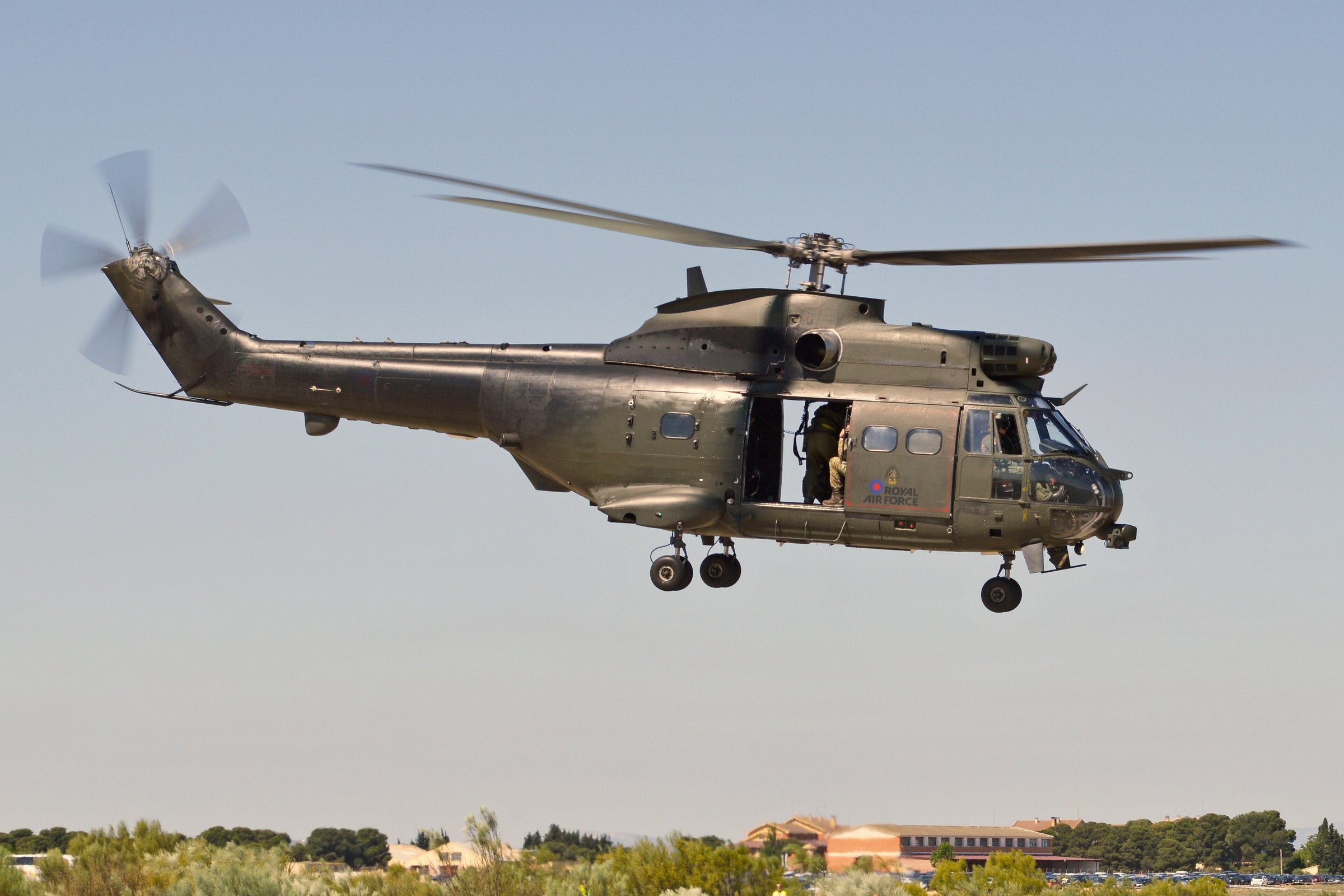
Aérospatiale SA 330 Puma
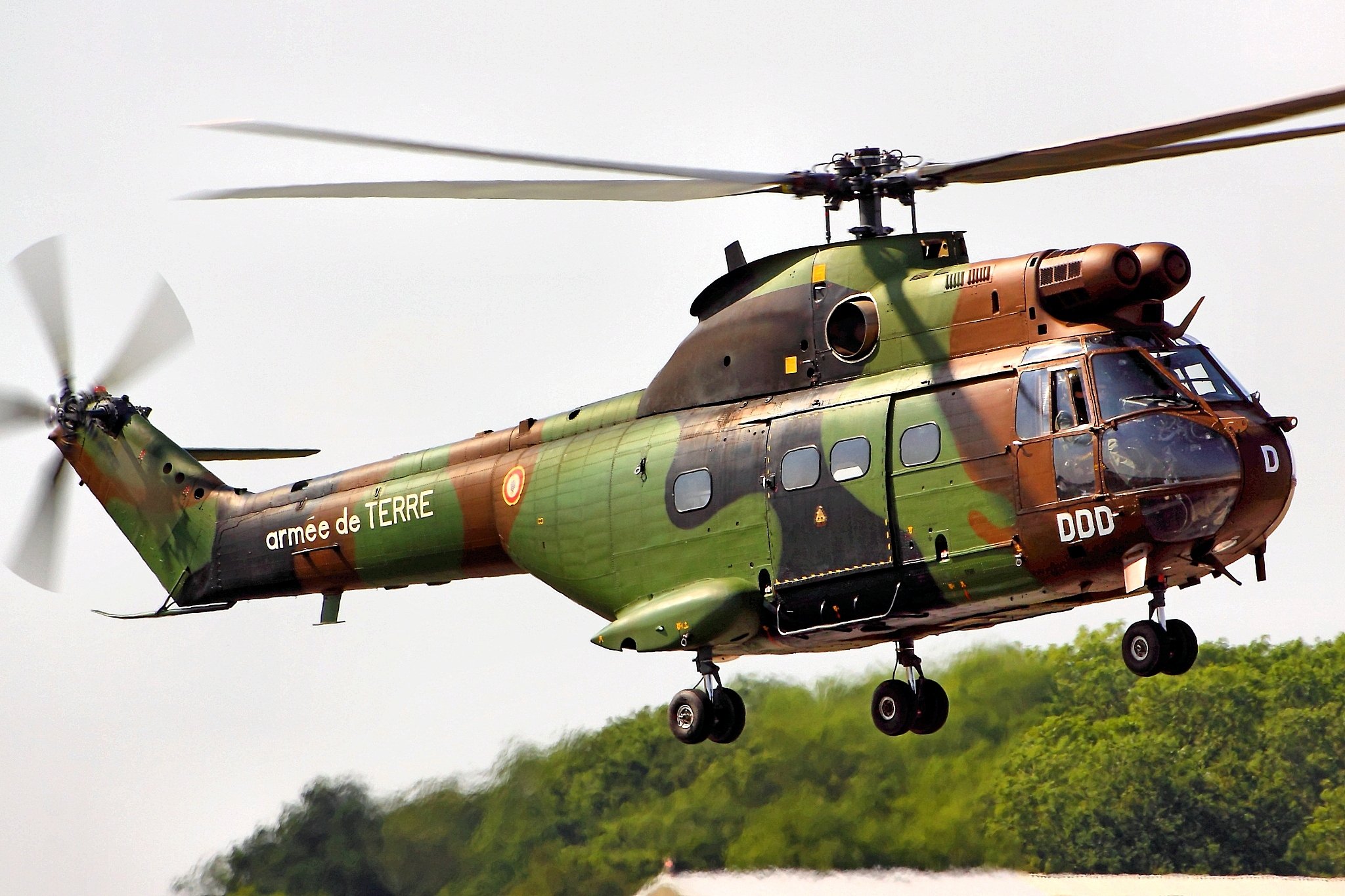
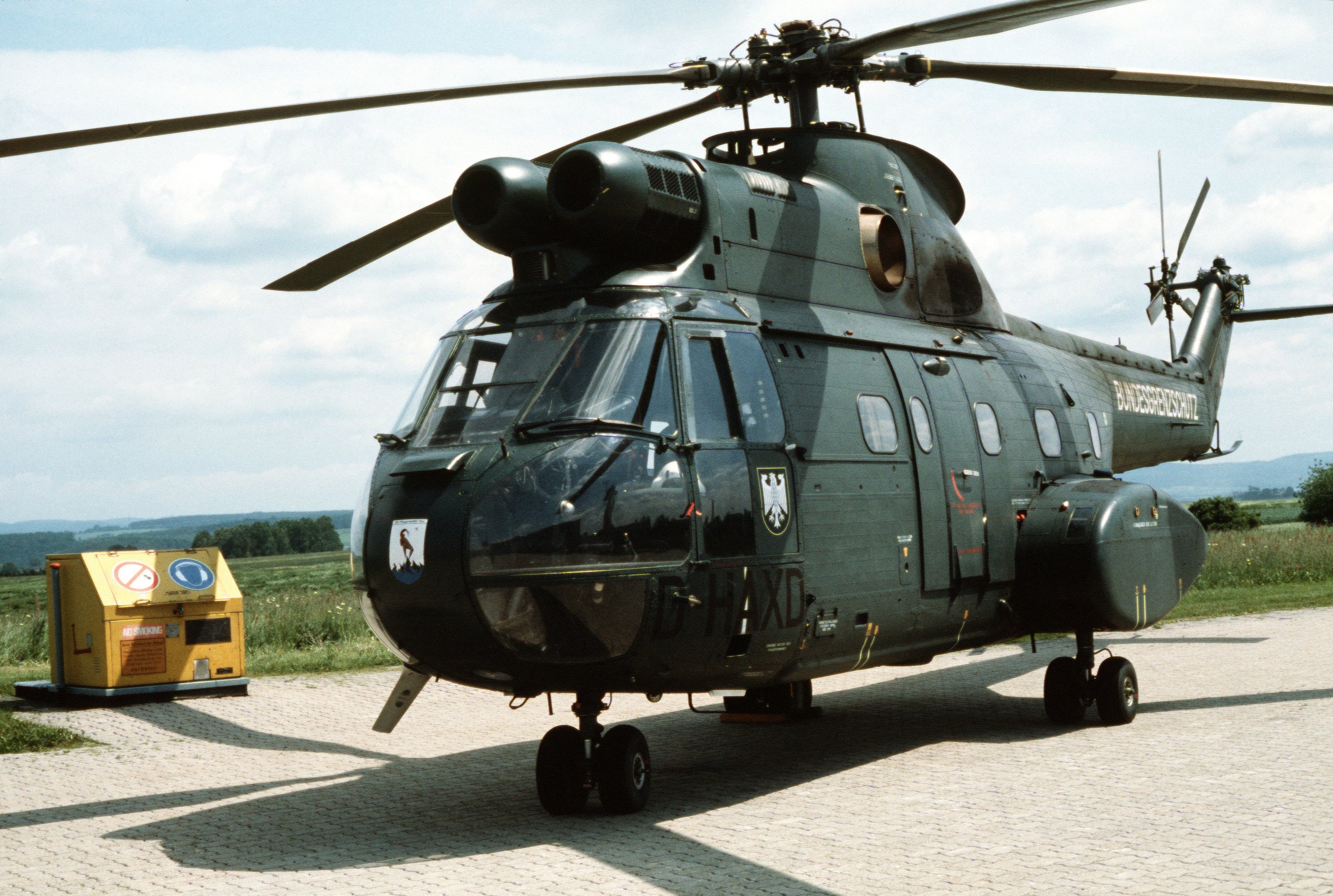
The original Puma: Sud Aviation's twin-Turmo medium transport that started the whole Super Puma line · First flight 1965 · In service 1969
The Puma was a clean-sheet design that Sud Aviation began in 1963 to meet a French Army requirement for an all-weather medium helicopter. The first of two prototypes flew on 15 April 1965, the first production aircraft followed in September 1968 and deliveries to the French Army began in early 1969. Two roof-mounted Turbomeca Turmo turboshafts drive a four-blade rotor, with enough reserve power to keep flying at maximum weight on one engine.
In 1967 the Royal Air Force chose the type as the Puma HC1, assembled by Westland under an Anglo-French agreement that also brought the Gazelle and Lynx into the partnership; RAF Pumas served until 2025. Romania built at least 163 under licence as the IAR 330, Indonesia assembled it too, and South Africa developed its own Oryx upgrade, which in turn fed into the Denel Rooivalk attack helicopter.
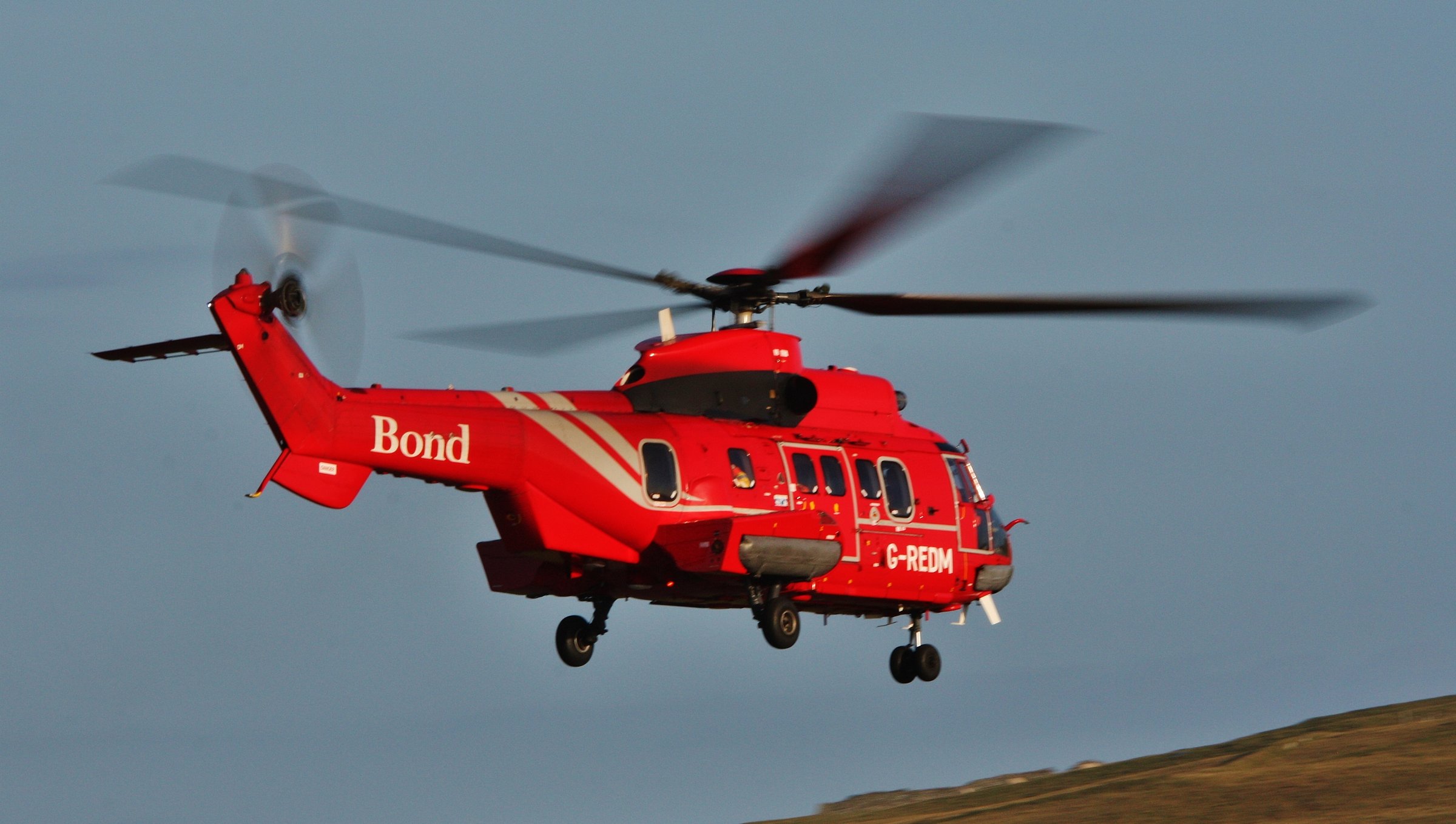
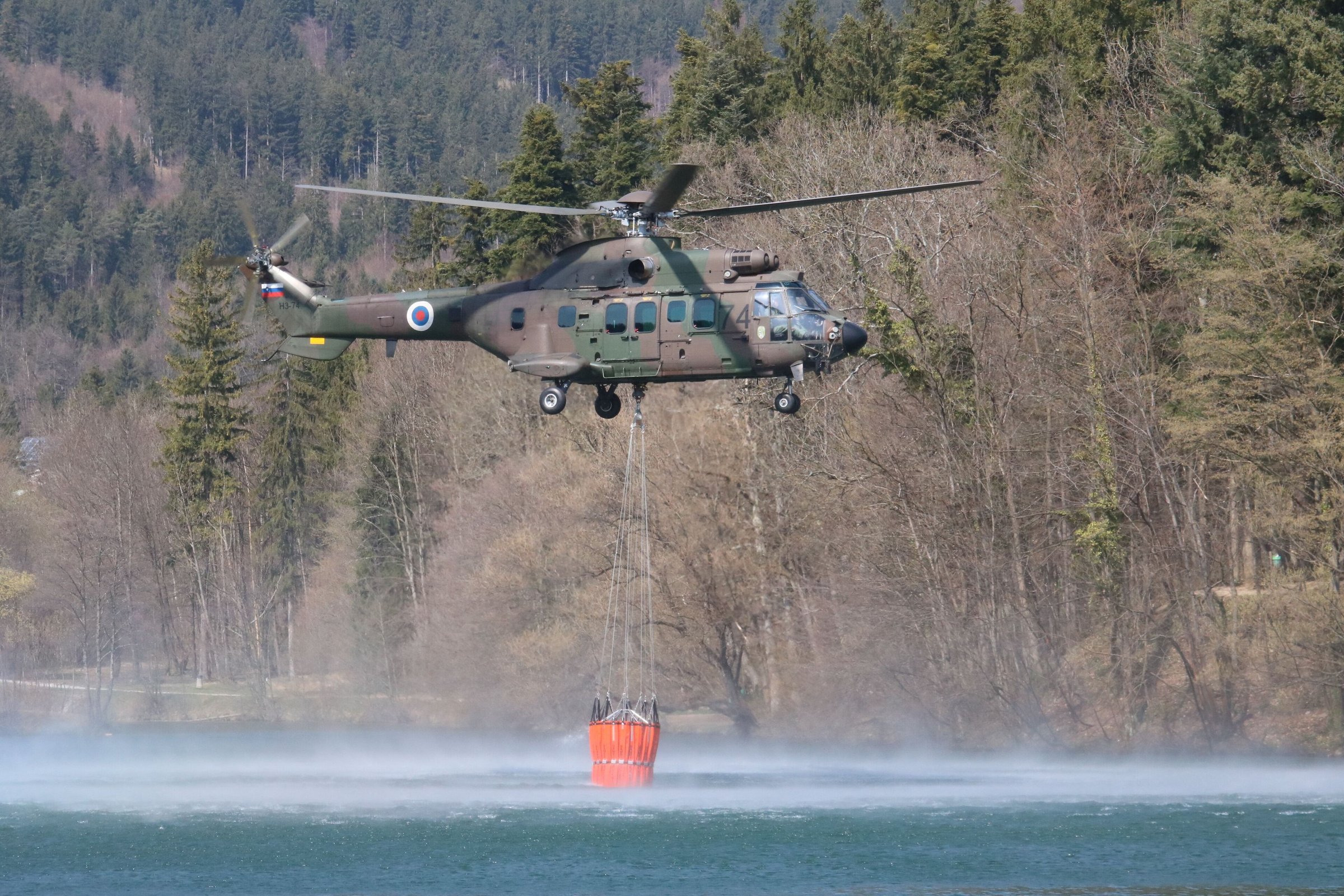
Aérospatiale ended French production in 1987 after 697 had been sold, by which time the Makila-powered AS332 Super Puma had already replaced it on the line. Through most of the 1970s the Puma was Europe's best-selling transport helicopter, flying with armies, border police and North Sea offshore operators alike.