Boeing B-52G Stratofortress
Wet wing, short fin and the gunner moved up front — the most-produced B-52 · First flight 1958 · In service 1959
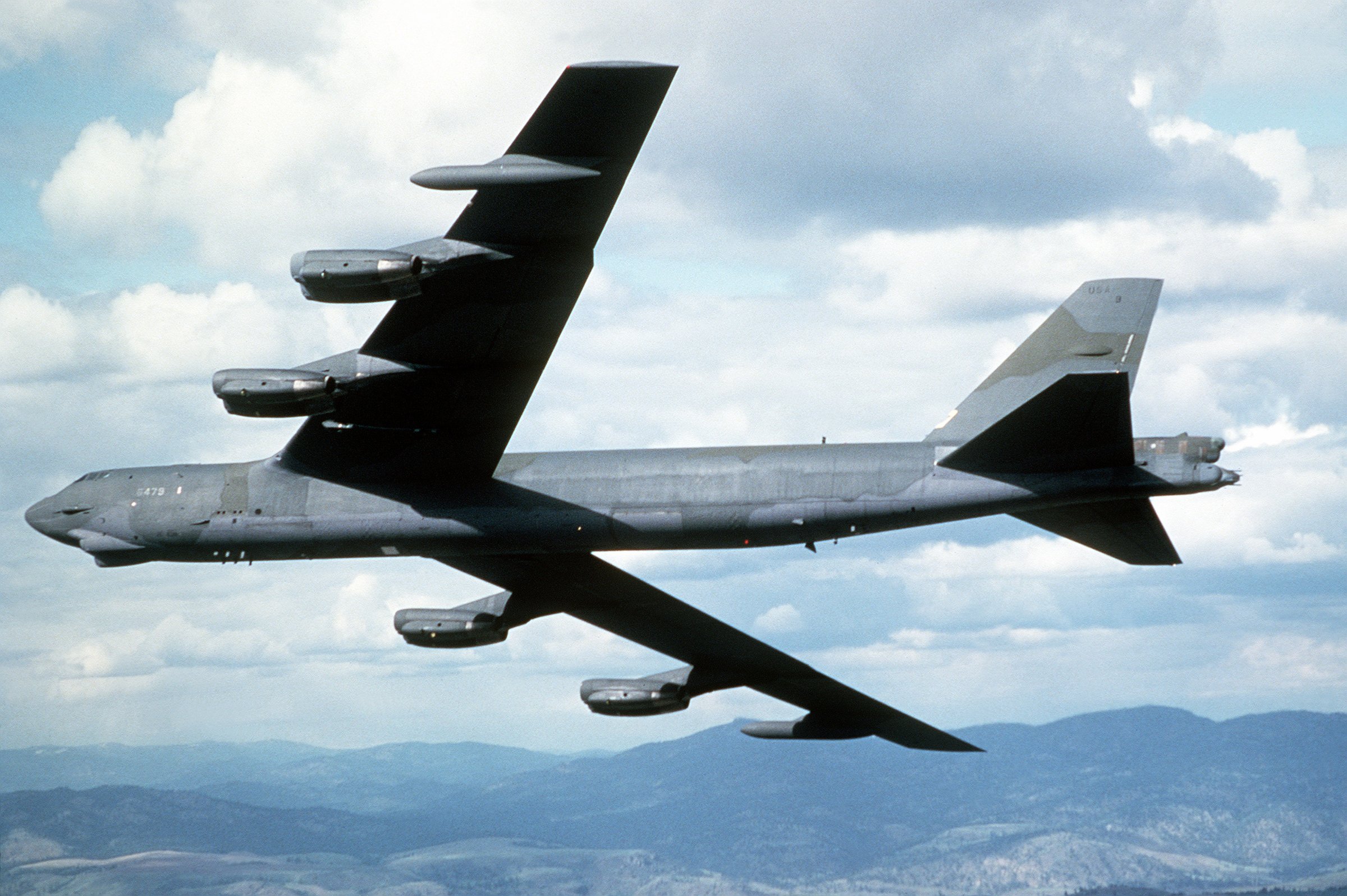
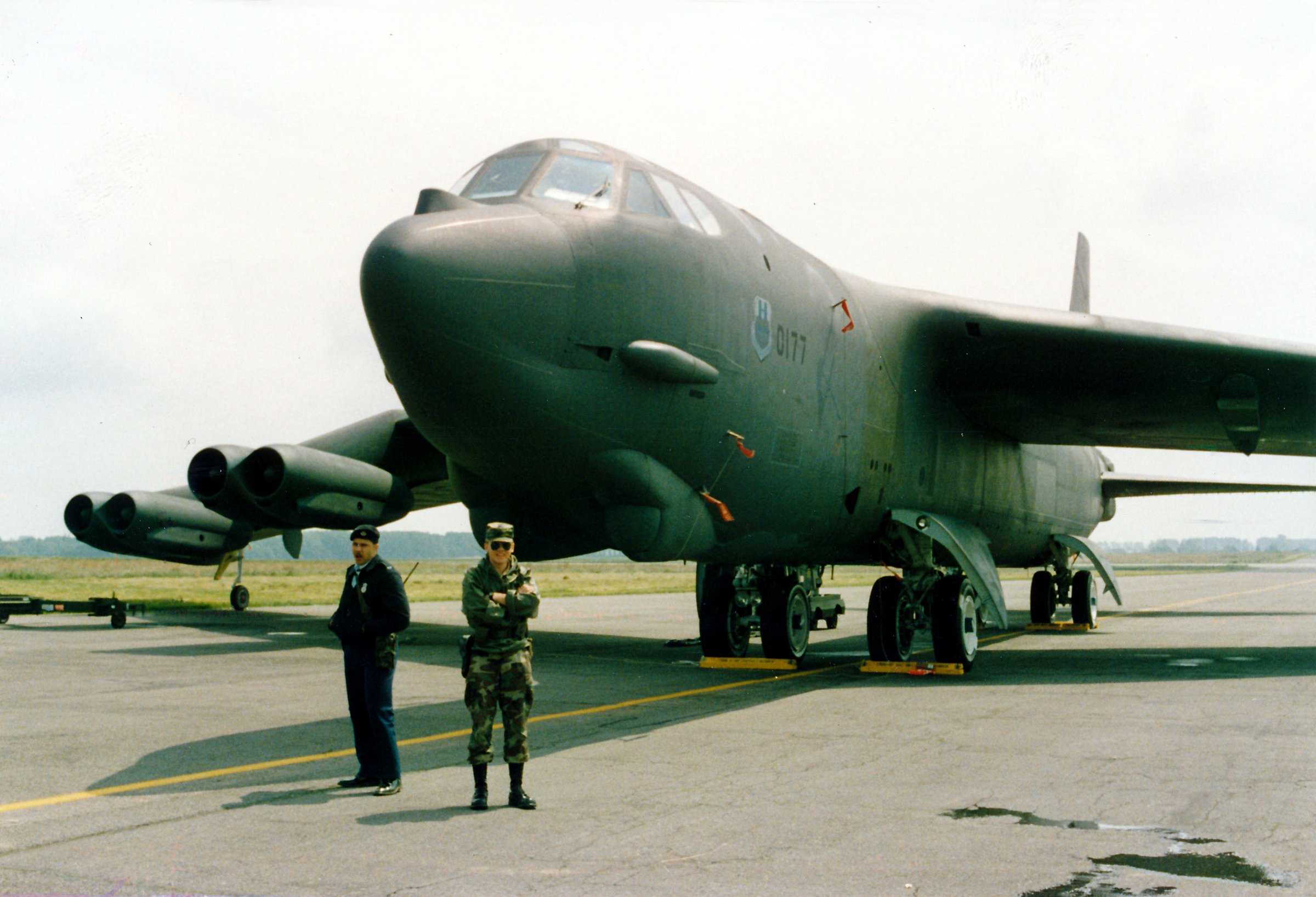
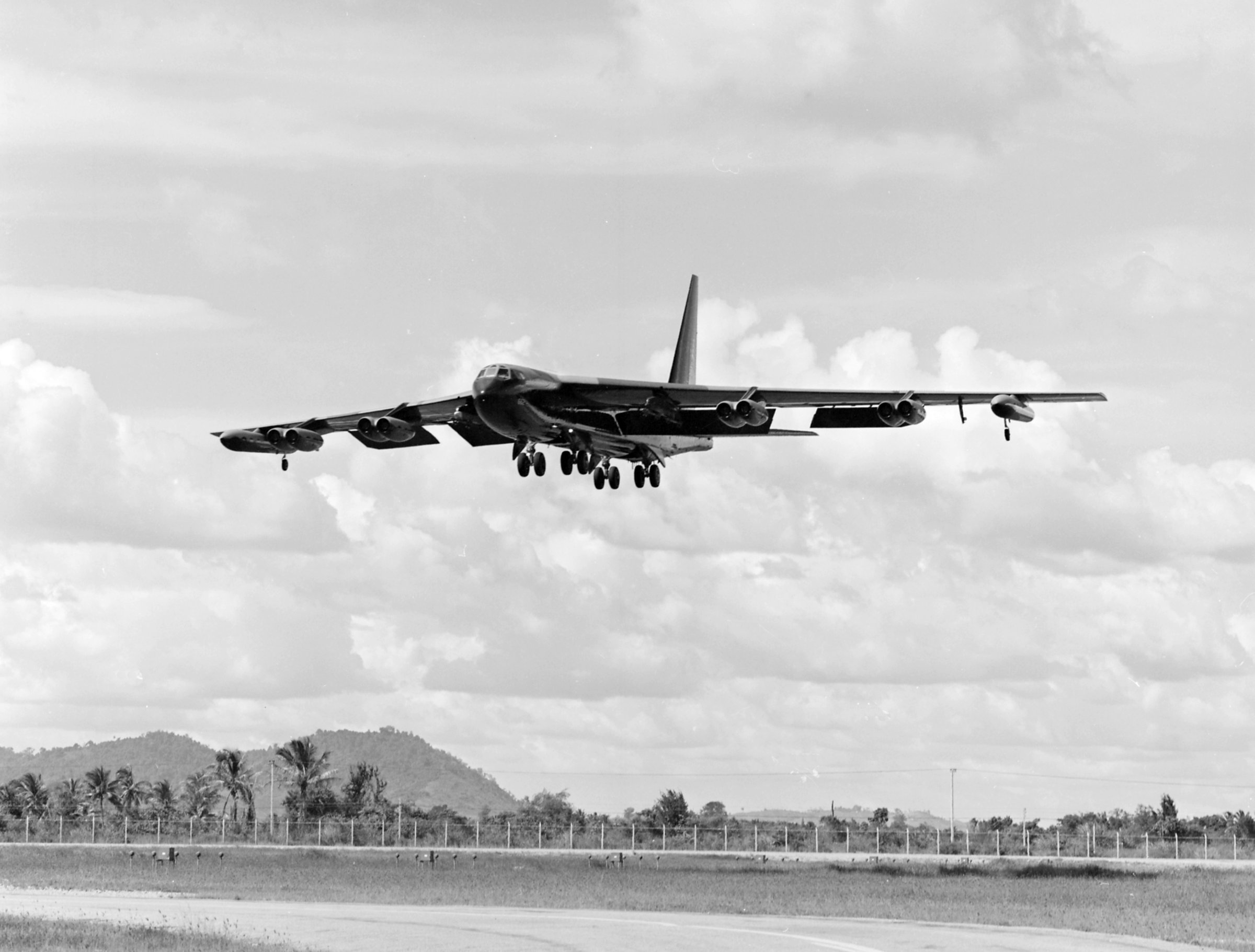
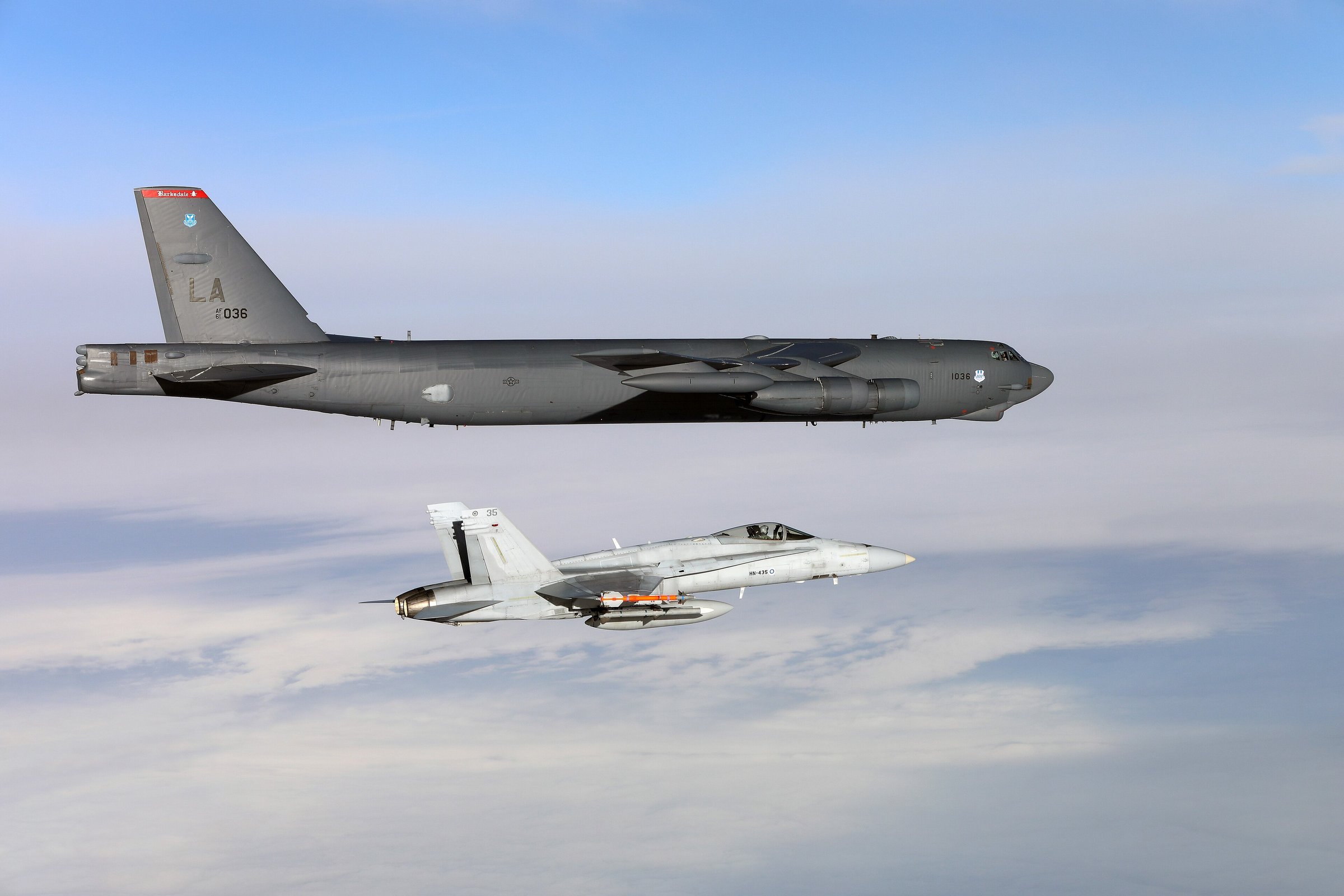
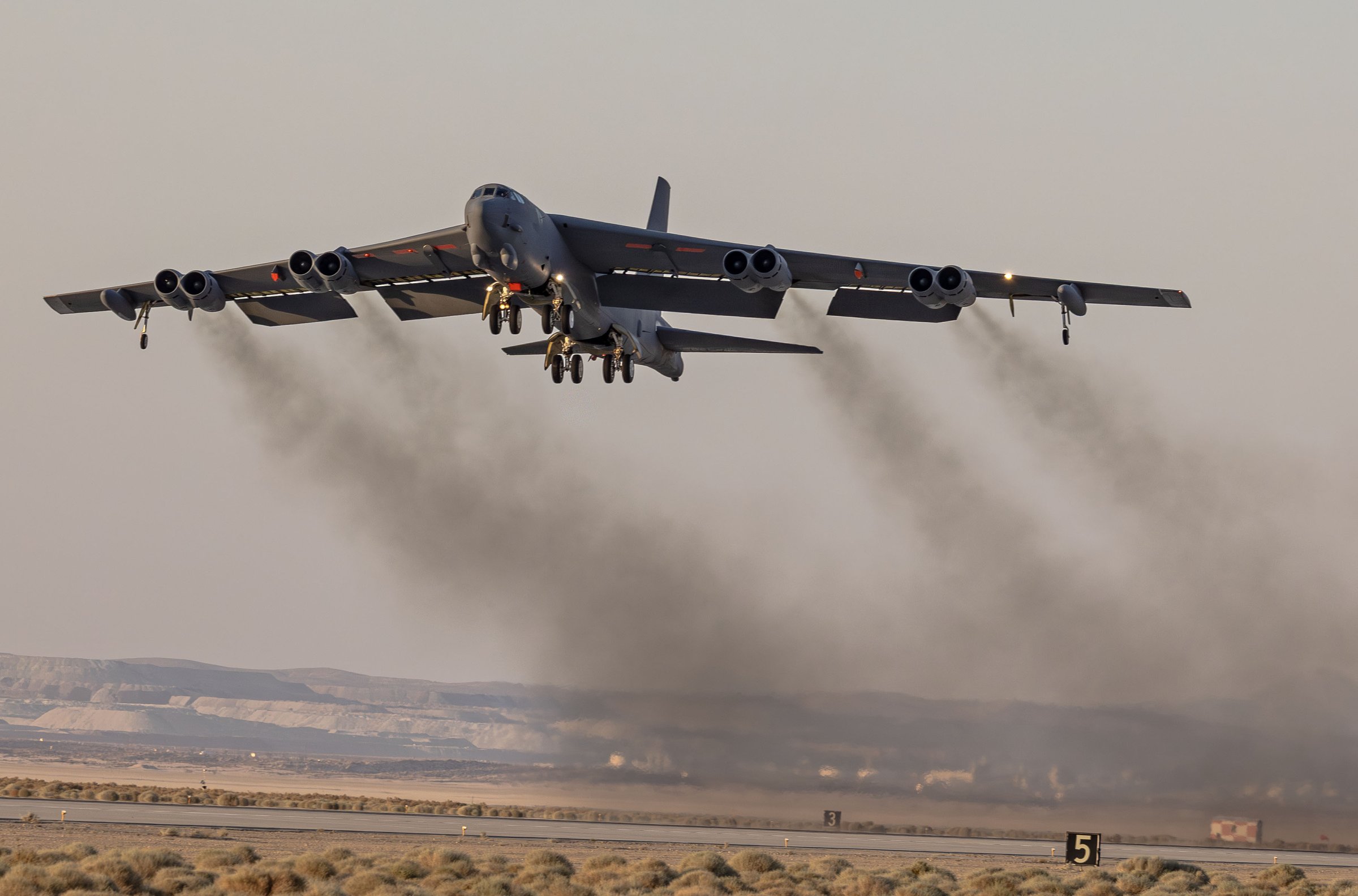
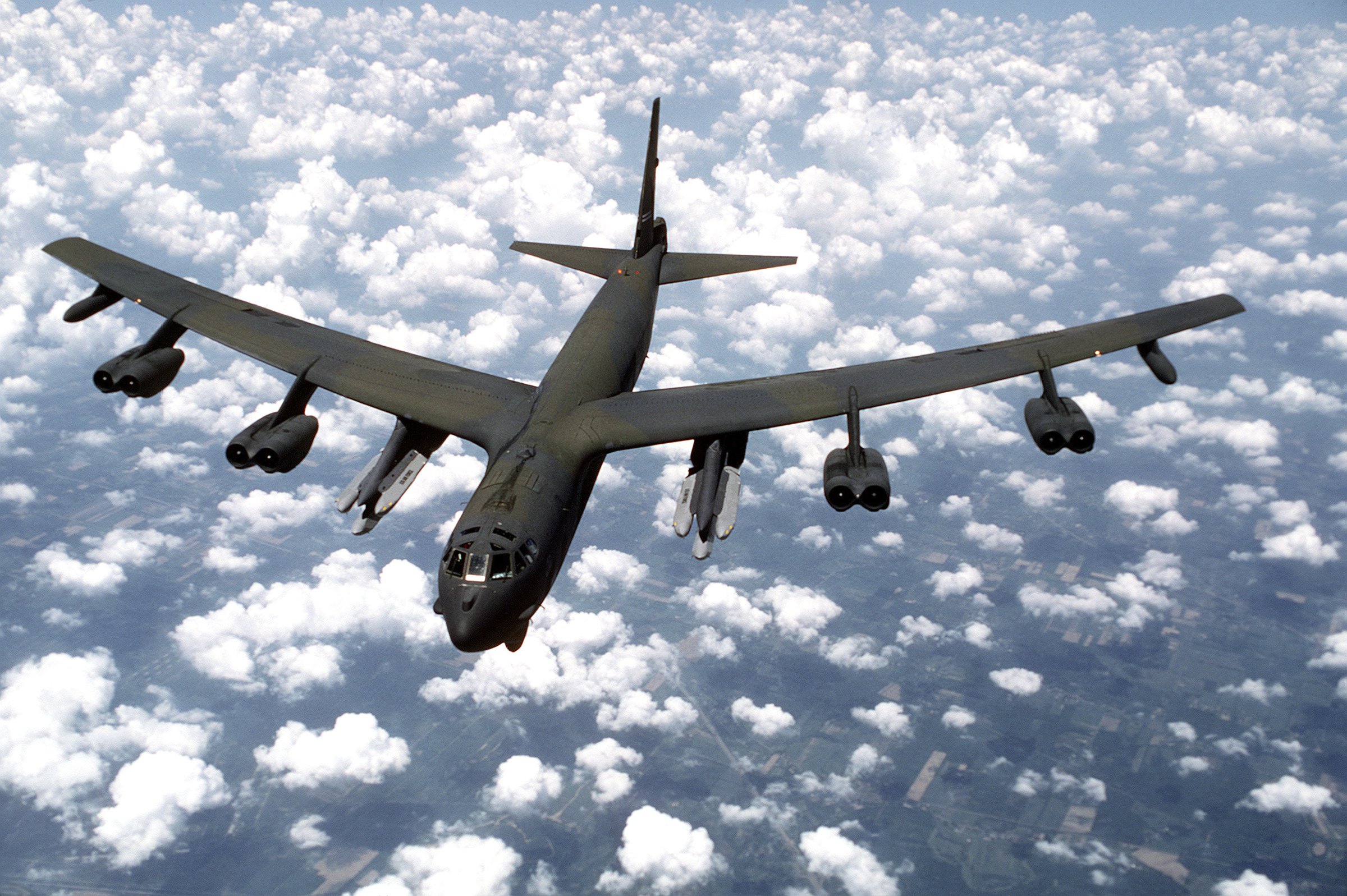
The B-52G was ordered to extend the bomber's life while the B-58 Hustler programme was delayed. A radical redesign with a new wing and J75 engines was rejected to avoid slowing production, but the changes were still major: a new "wet" wing with integral fuel tanks that raised gross weight by 38,000 lb, ailerons deleted in favour of spoilers for roll control, a fin 8 ft (2.4 m) shorter, a larger water-injection system and an enlarged nose radome. The tail gunner moved forward next to the electronic-warfare officer, aiming the guns by radar and gaining an ejection seat. All G production was concentrated at Wichita.
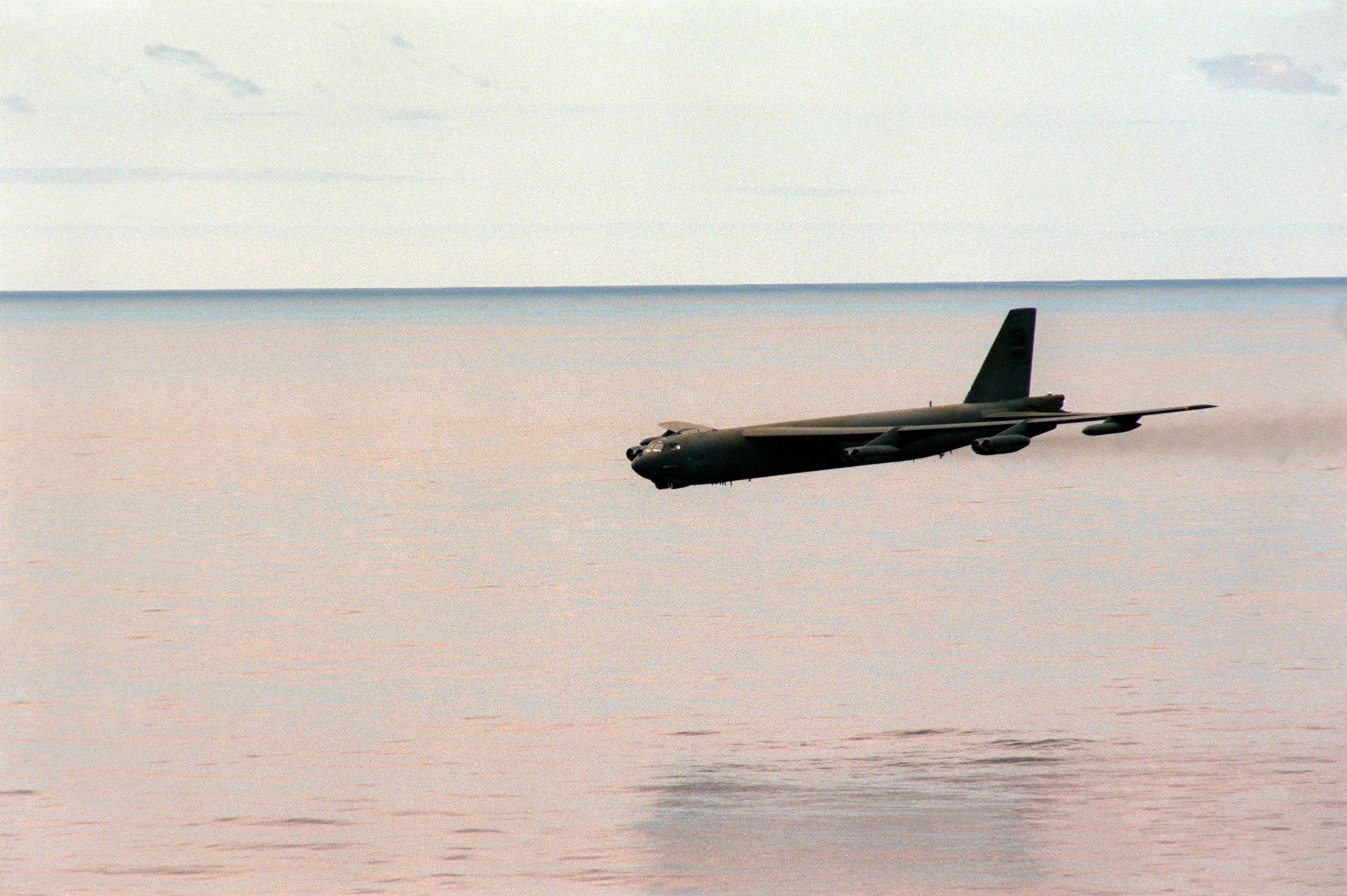
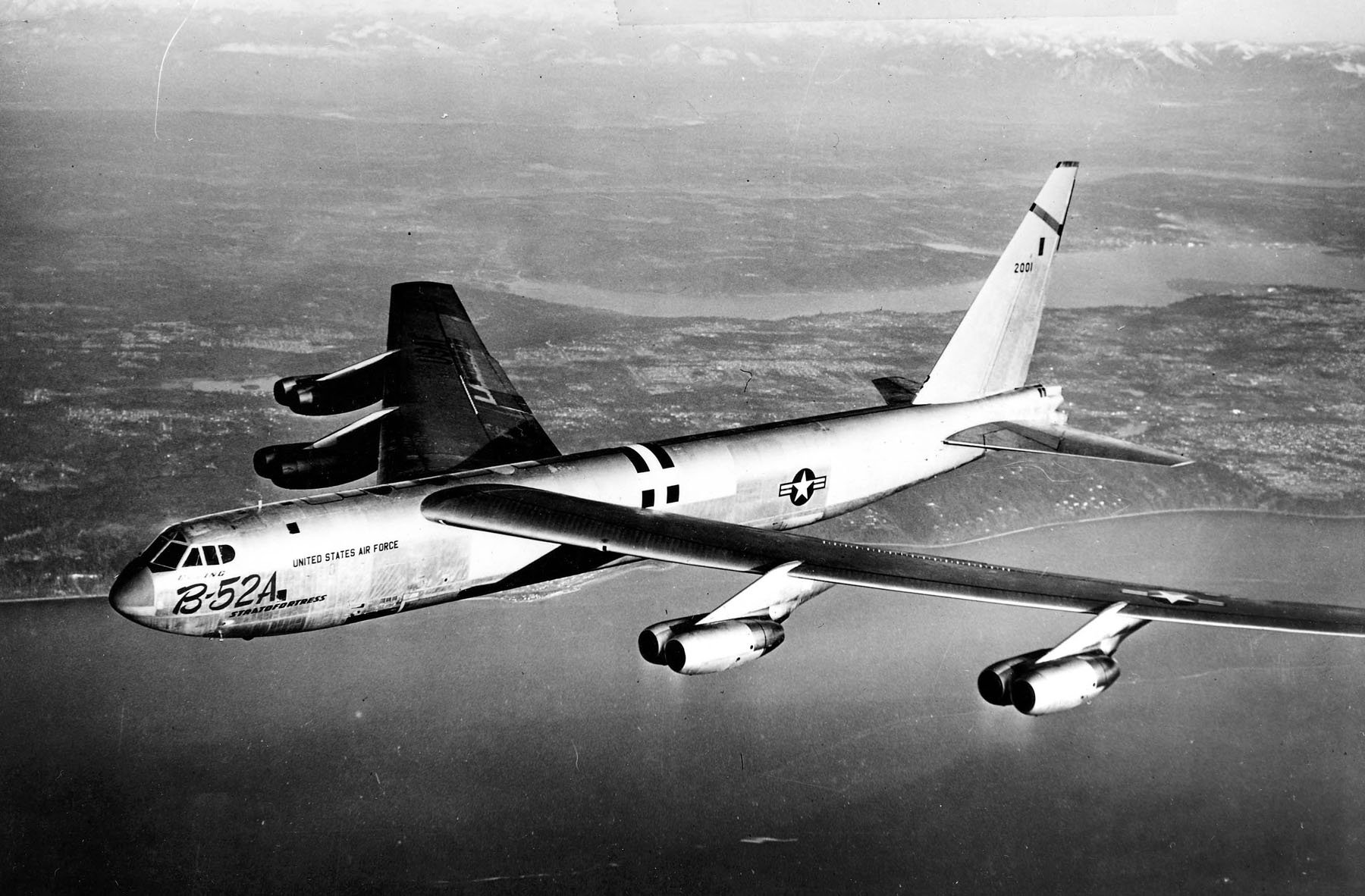
The B-52G entered service on 13 February 1959 — a day after the last B-36 was retired, making SAC an all-jet bomber force — and 193 were built, the largest number of any variant. On 14 December 1960 a B-52G flew 16,220 km without refuelling in 19 hours 44 minutes, a world distance record. Through the Cold War Gs carried the AGM-28 Hound Dog and later the AGM-86B cruise missile, with a wing-root fairing added so that satellites could tell cruise-missile carriers apart under SALT II; some were fitted for Harpoon anti-ship and Have Nap missiles.
In the 1991 Gulf War, seven B-52Gs flew from Barksdale AFB, Louisiana, to launch 35 AGM-86C conventional cruise missiles on the opening night, in a 35-hour round trip that was then the longest combat mission flown. The G was retired in 1994; most were destroyed under the 1992 START treaty, the last, 58-0224, being dismantled in December 2013, and a few survive in museums.