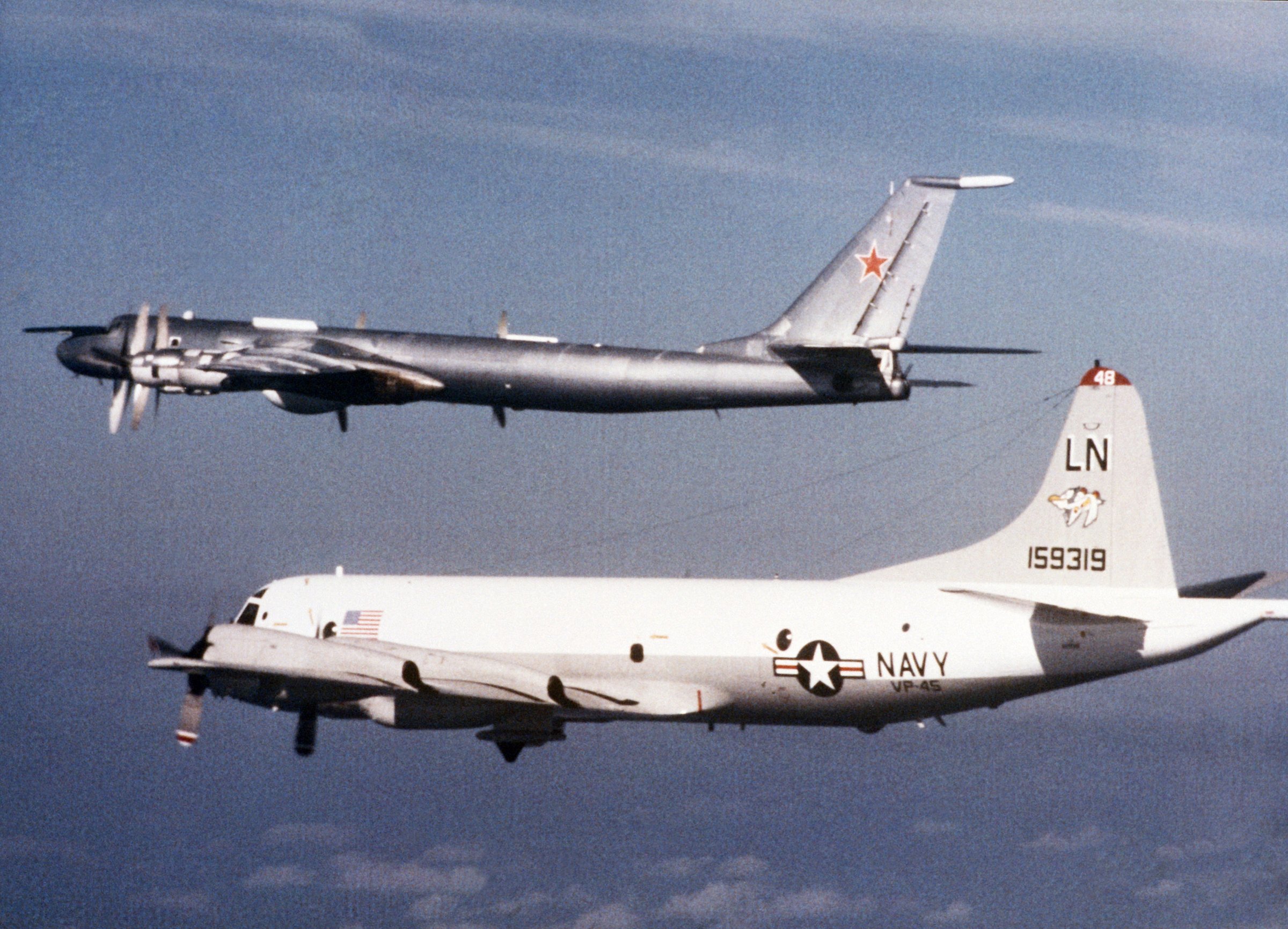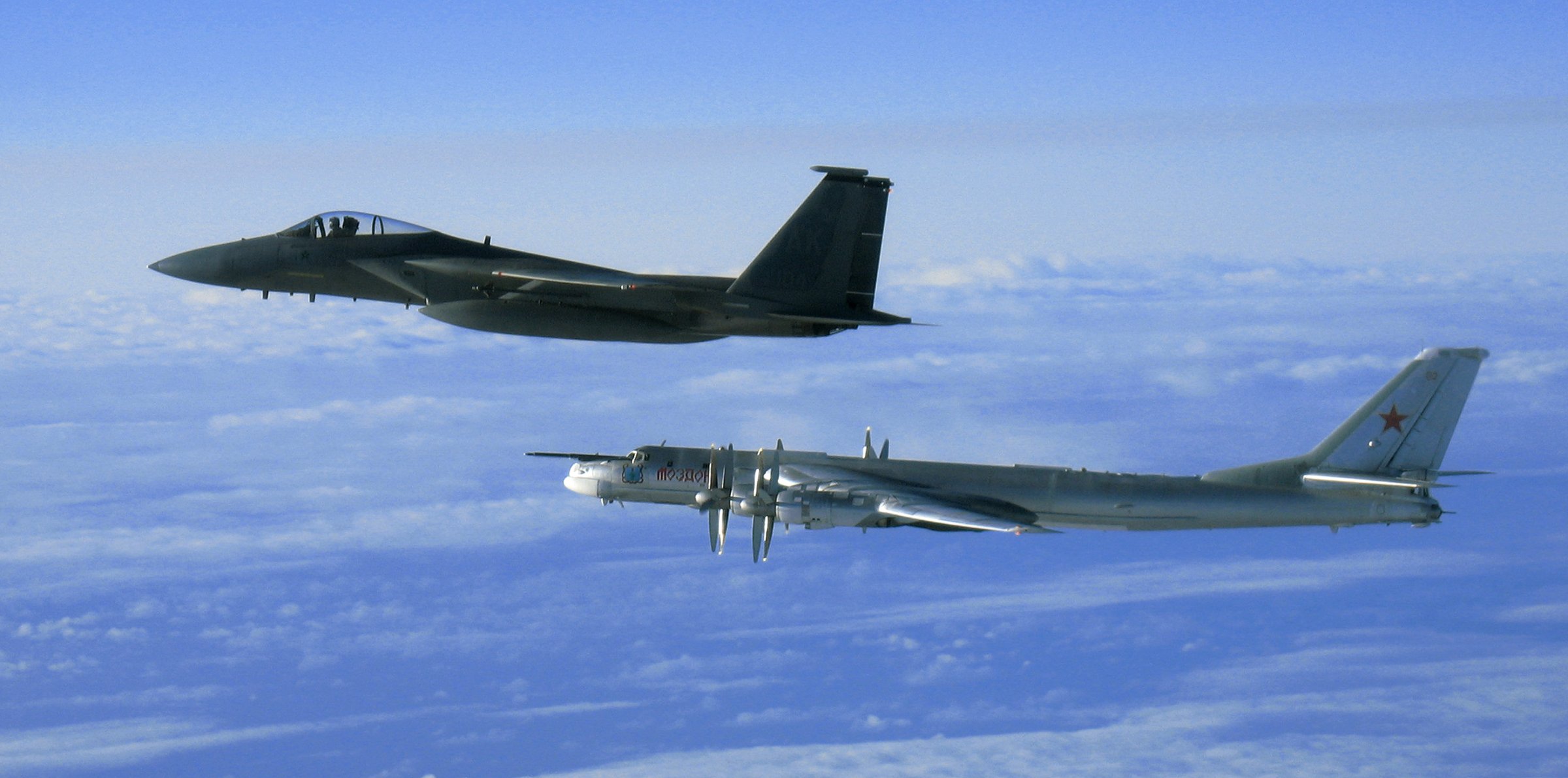
Tupolev Tu-95MS (Bear-H)
The cruise-missile Bear — a Tu-142-based airframe that carries the Bear story into its eighth decade · First flight 1979 · Production from 1981
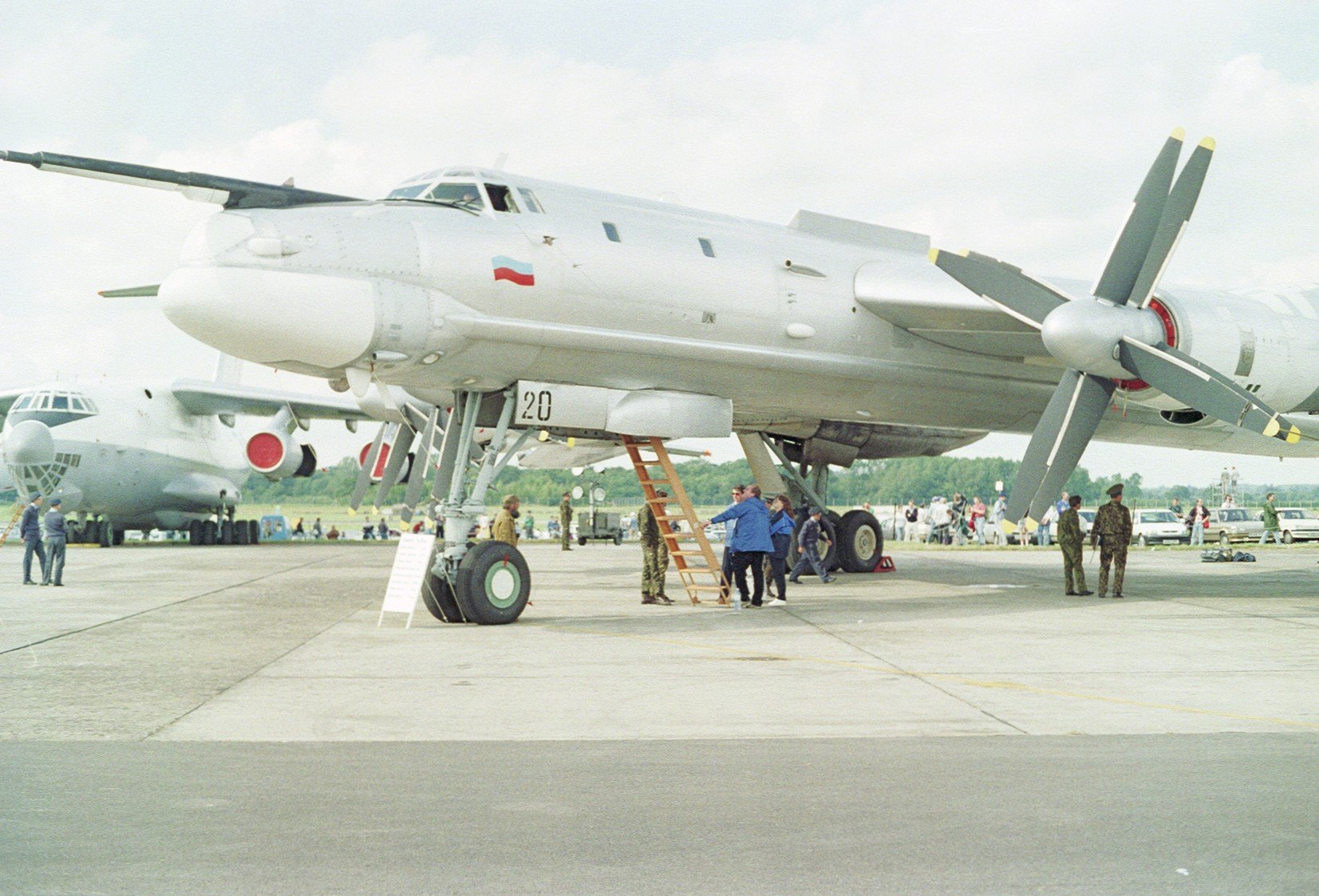
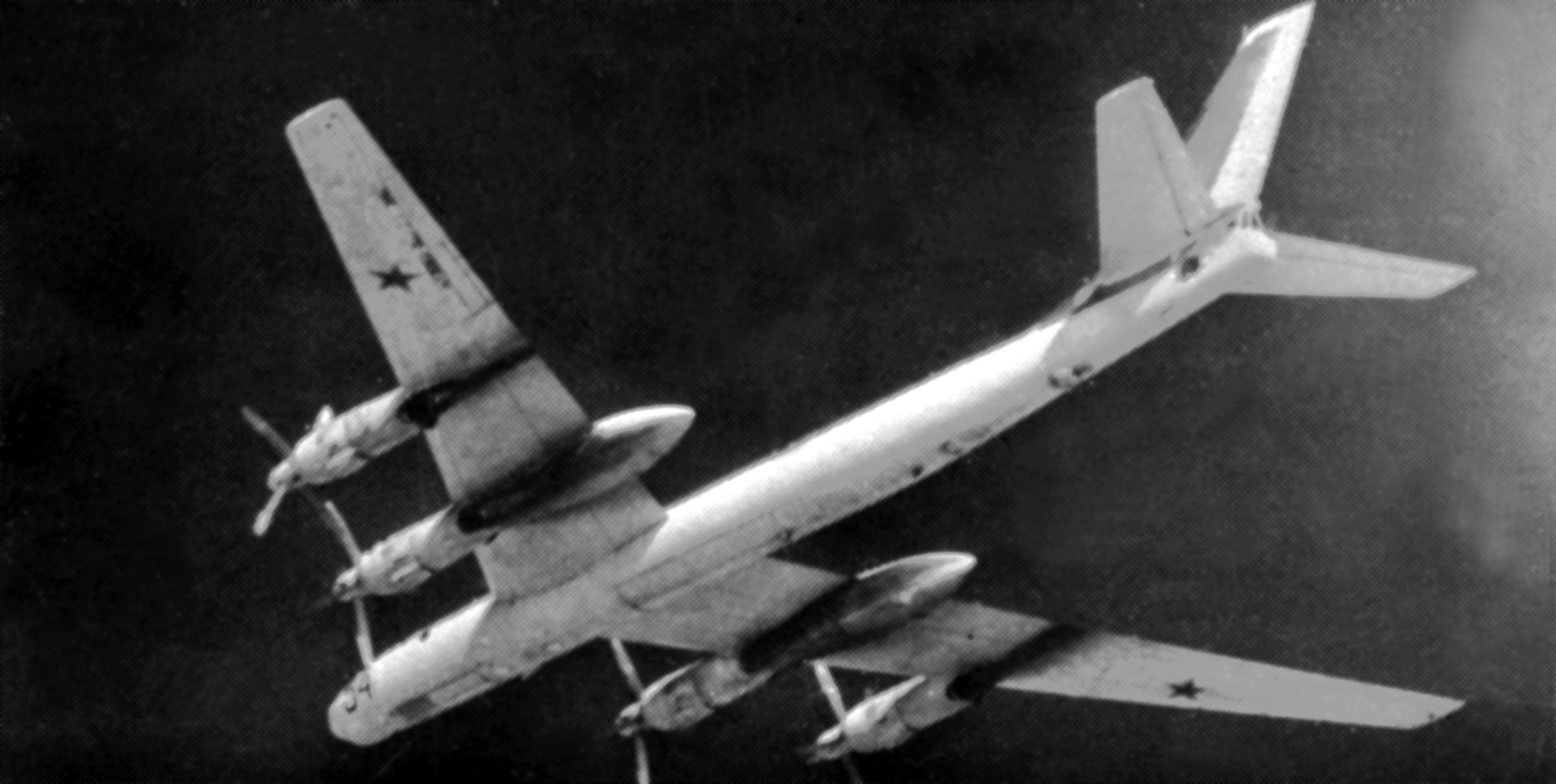
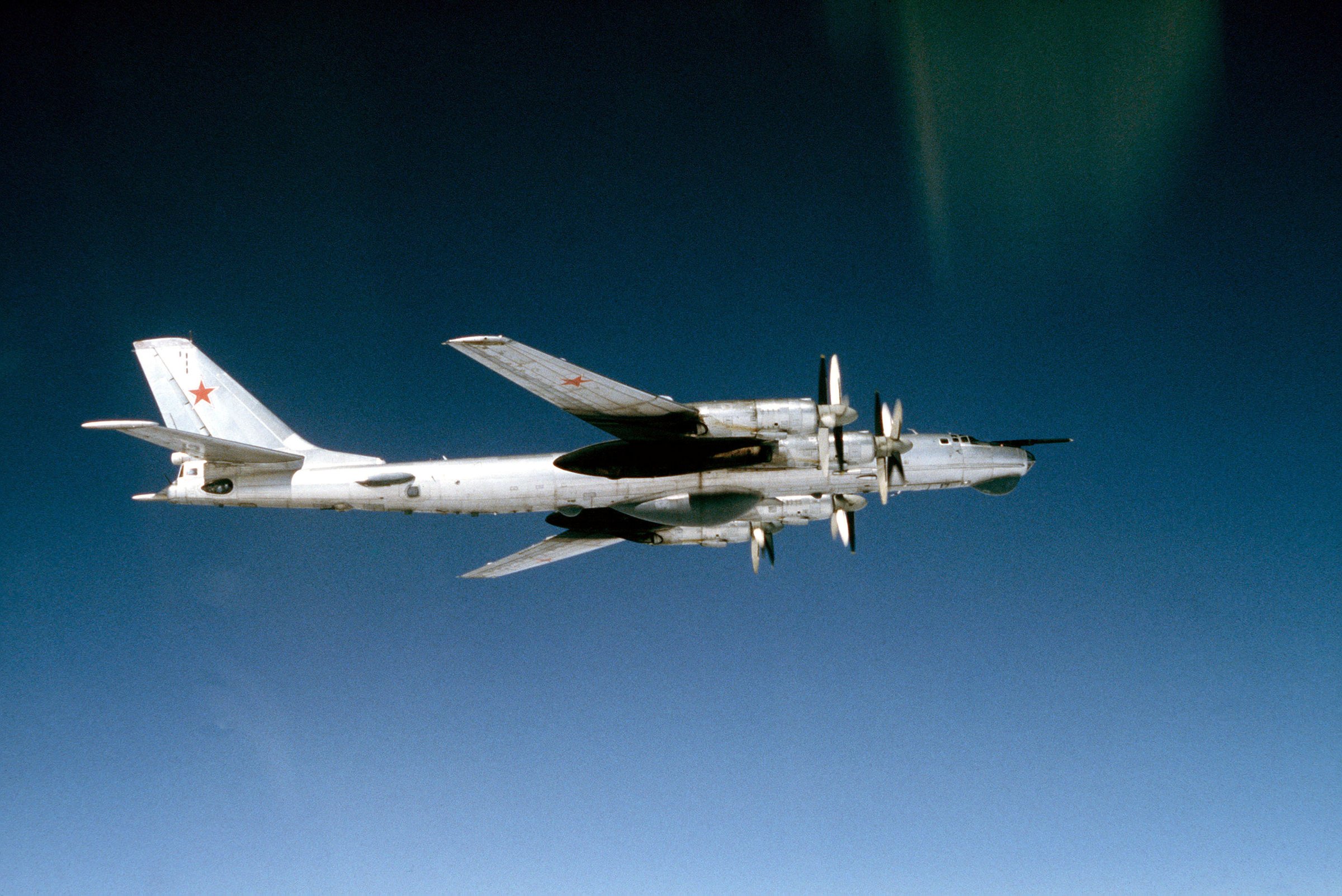
The Tu-95MS was developed to carry the new Kh-55 long-range cruise missile. Rather than modify old bombers, Tupolev based it on the Tu-142 airframe, with a fuselage shortened back towards Tu-95 length and a new nose. A prototype flew in September 1979, and series production began in 1981. NATO called it Bear-H.
Two versions were built. The Tu-95MS6 carries six Kh-55-family missiles on a rotary launcher in the bomb bay, and 32 were built. The Tu-95MS16 adds four underwing pylons for up to 16 Kh-55s, and 56 were built. When the Soviet Union dissolved, a number of Tu-95MS were left in Ukraine; in 2000 three were handed to Russia together with Kh-55 missiles in settlement of gas debts, and the rest were scrapped under the US-funded Nunn–Lugar programme.
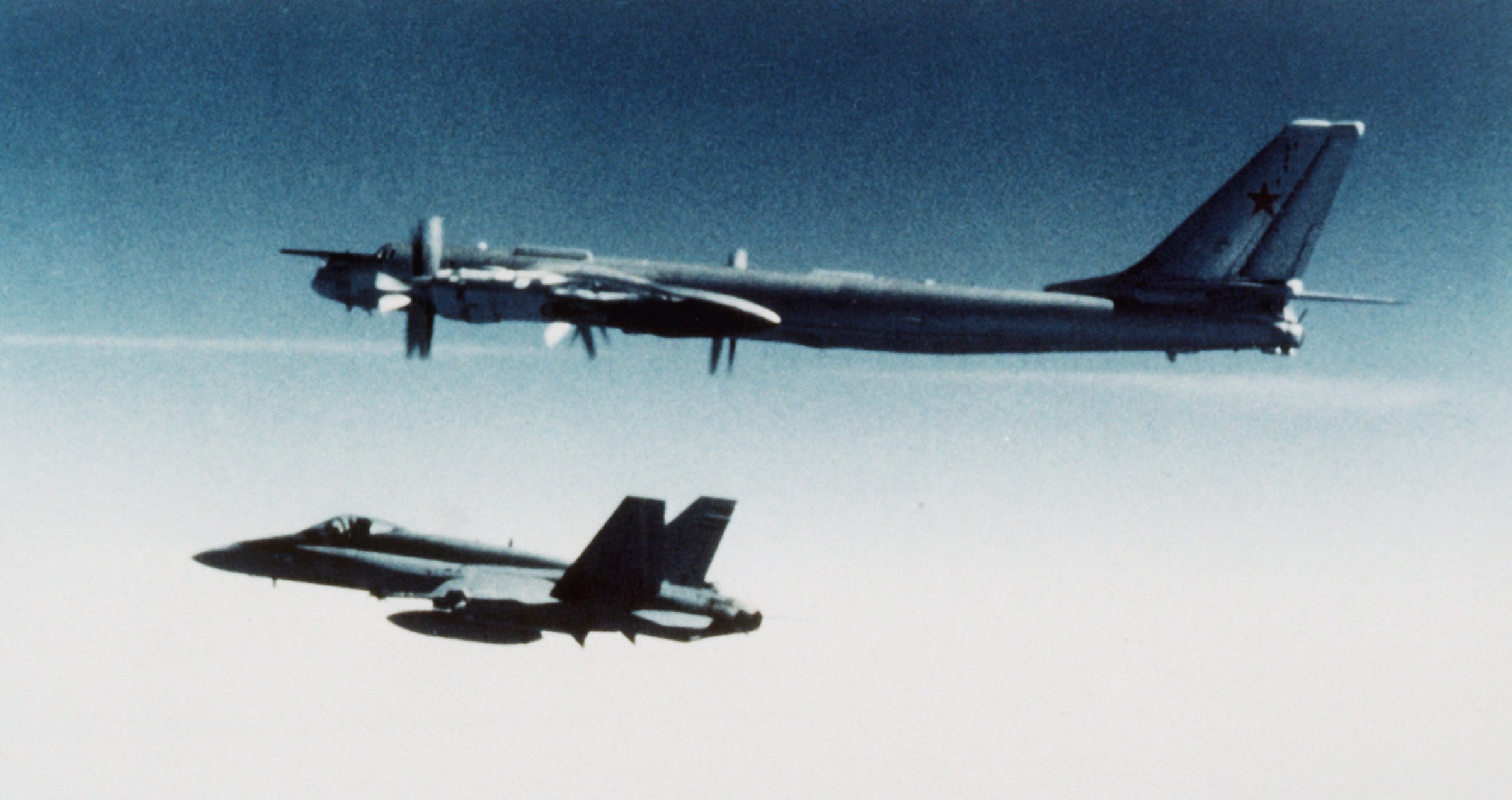
The Bear-H is now the main version in Russian service. Its long patrols over the Arctic, Atlantic and Pacific are routinely shadowed by NATO, US and Japanese fighters. In July 2010 Tu-95MS crews made a non-stop flight of more than 43 hours and over 30,000 km with four aerial refuellings. The Tu-95MSM upgrade, with new radar, defensive systems, NK-12MPM engines with AV-60T propellers and Kh-101 missiles, first flew in 2020.