Westland Lynx AH.1 / AH.7
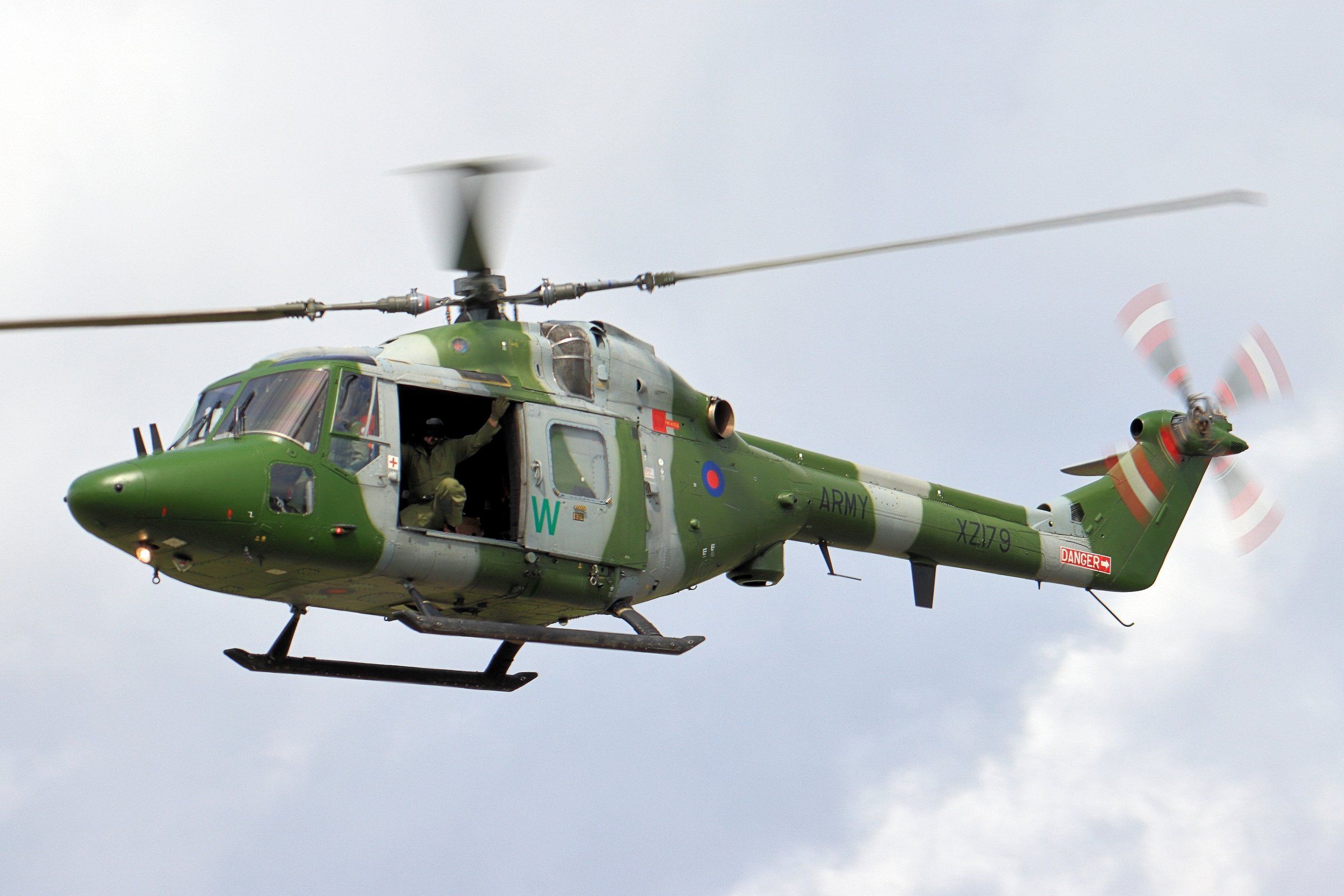
The British Army's skid-equipped battlefield Lynx — utility lifter and TOW tank-hunter · First flight 1971 · In service 1979
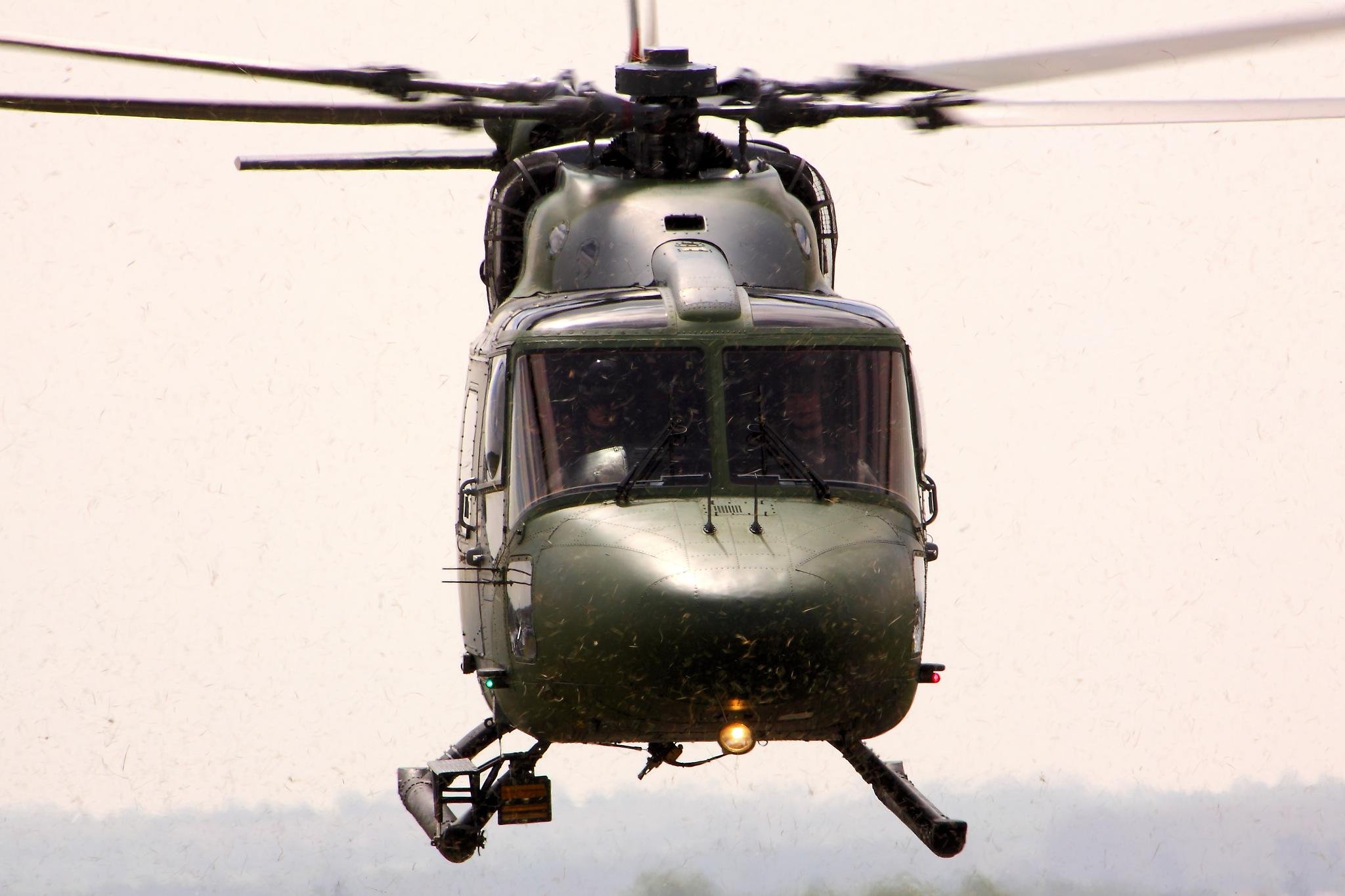
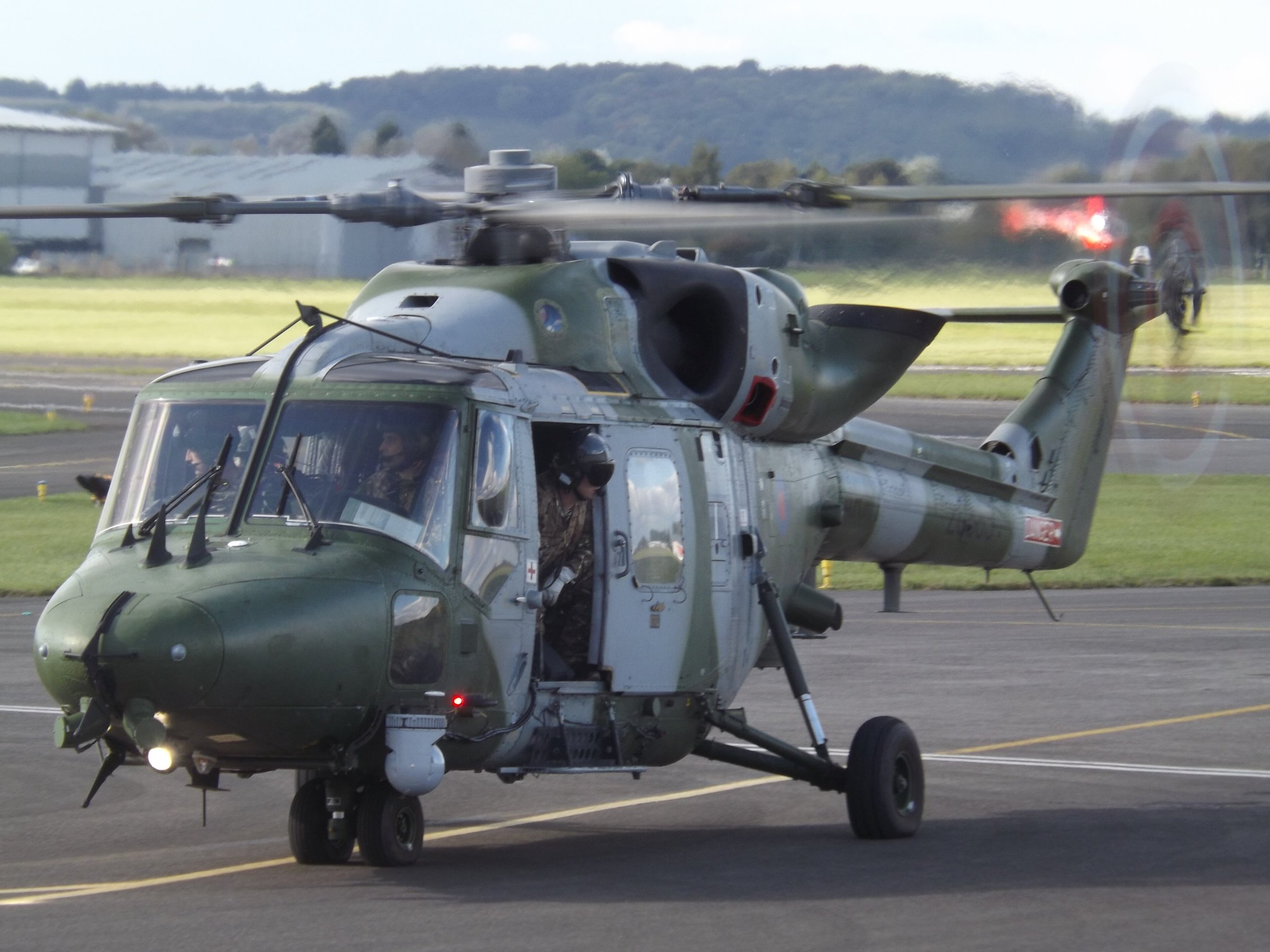
The WG.13 Lynx prototype first flew on 21 March 1971, and the first production Lynx AH.1 for the British Army followed on 11 February 1977. Powered by two Rolls-Royce Gem 2 turboshafts and sitting on simple skids, the AH.1 entered Army Air Corps service in 1979 as a battlefield utility and anti-armour helicopter; 113 were delivered by February 1984, and from 1981 sixty were fitted to carry eight TOW missiles.
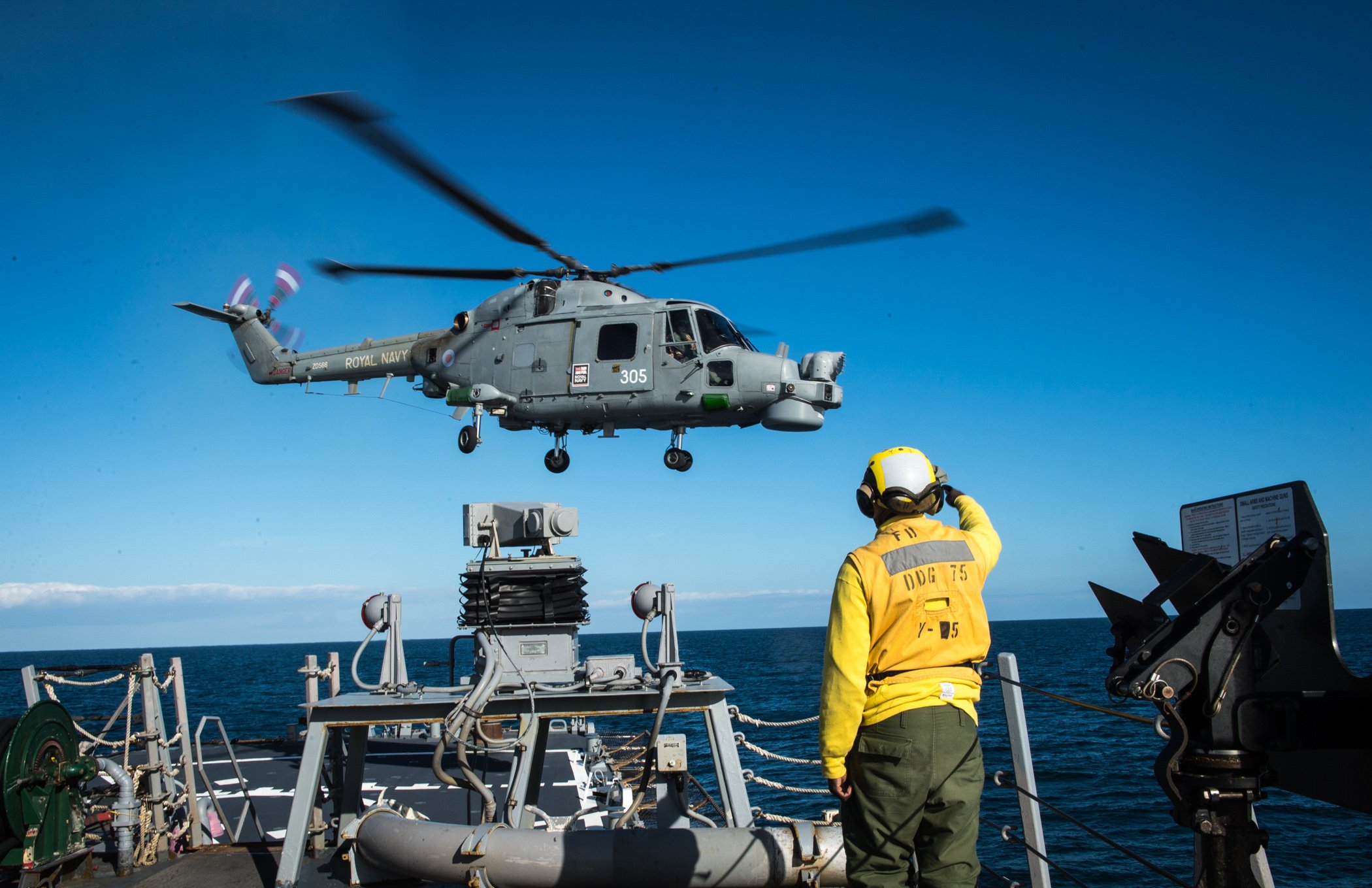
The AH.7 added Gem 41-1 engines, an uprated gearbox and a larger composite tail rotor. Twelve were built new and 107 AH.1s were converted, and BERP rotor blades were fitted later. The AH.7 flew with the Army and the Royal Marines until the Apache took over the attack role; the Army Air Corps' last Lynx unit, 657 Squadron, disbanded in 2018.
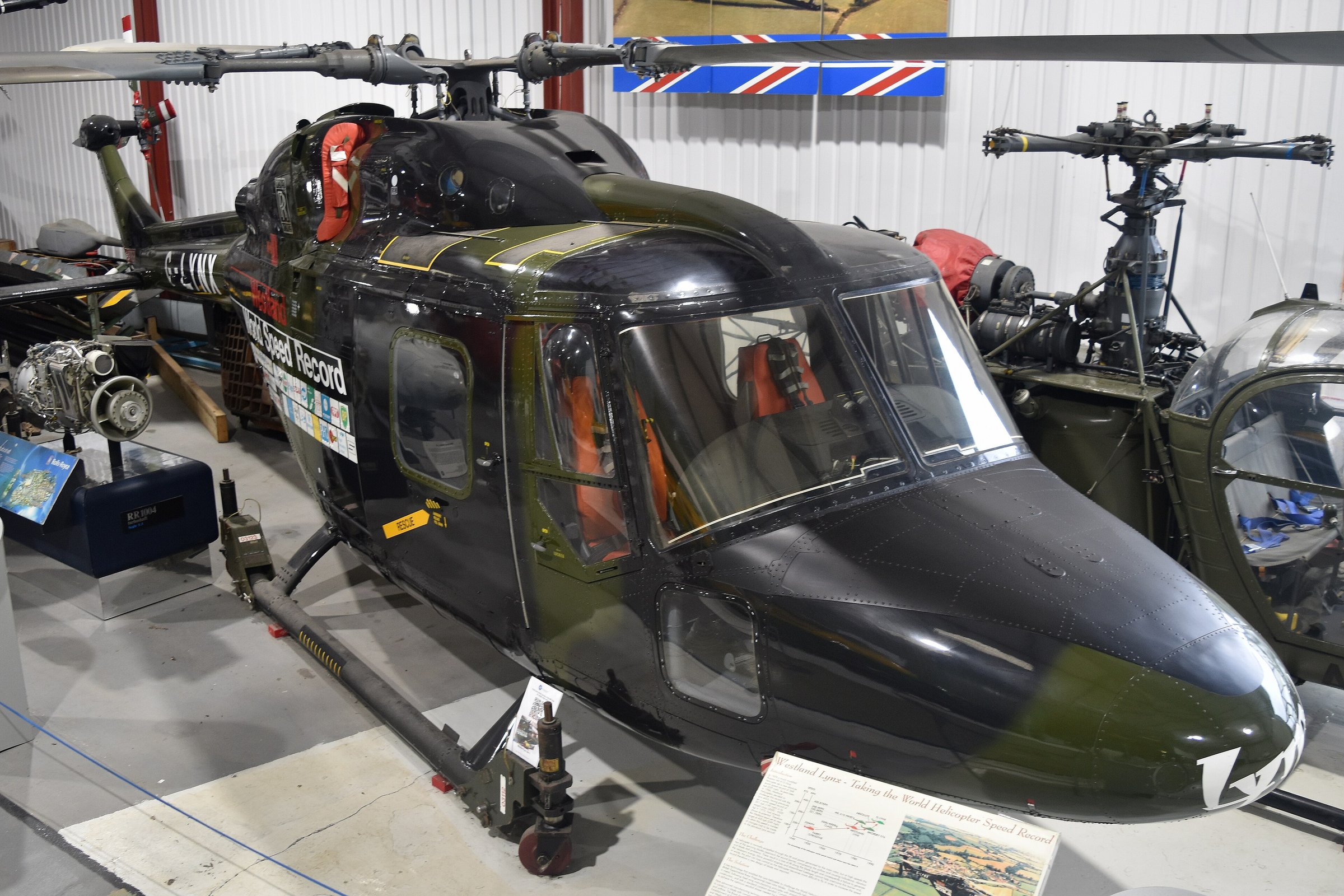
On 11 August 1986 Westland's company demonstrator G-LYNX, modified with Gem 60 engines and BERP rotor blades, set the absolute helicopter speed record of 400.87 km/h over a 15/25 km course, flown by Trevor Egginton. The record still stood decades later; G-LYNX is now preserved as a museum exhibit.