Avro Lancaster B.I Special
Stripped of turrets and bomb doors to carry the 10-tonne 'Grand Slam' — the heaviest bomb of the war · First flight 1945 · In service 1945
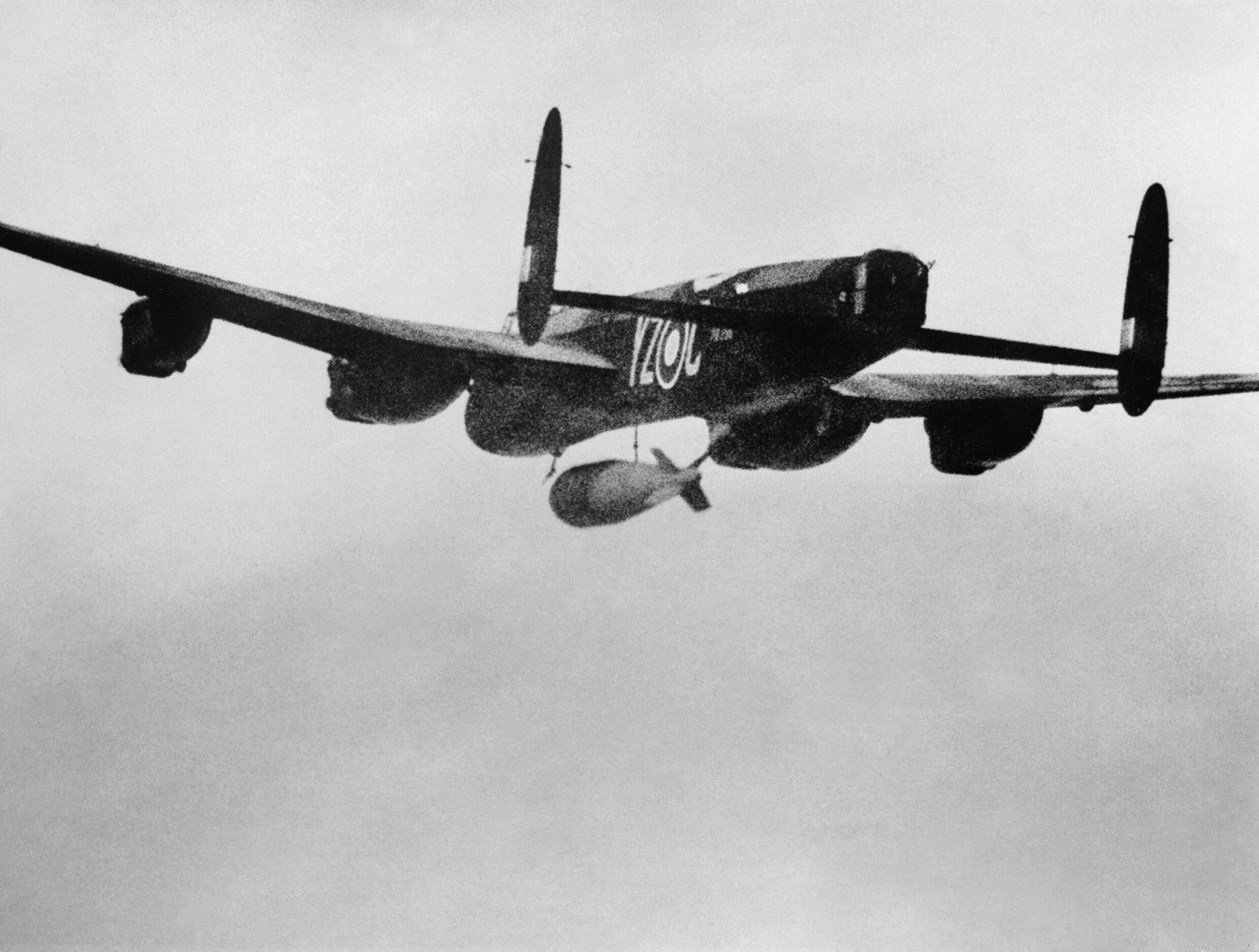
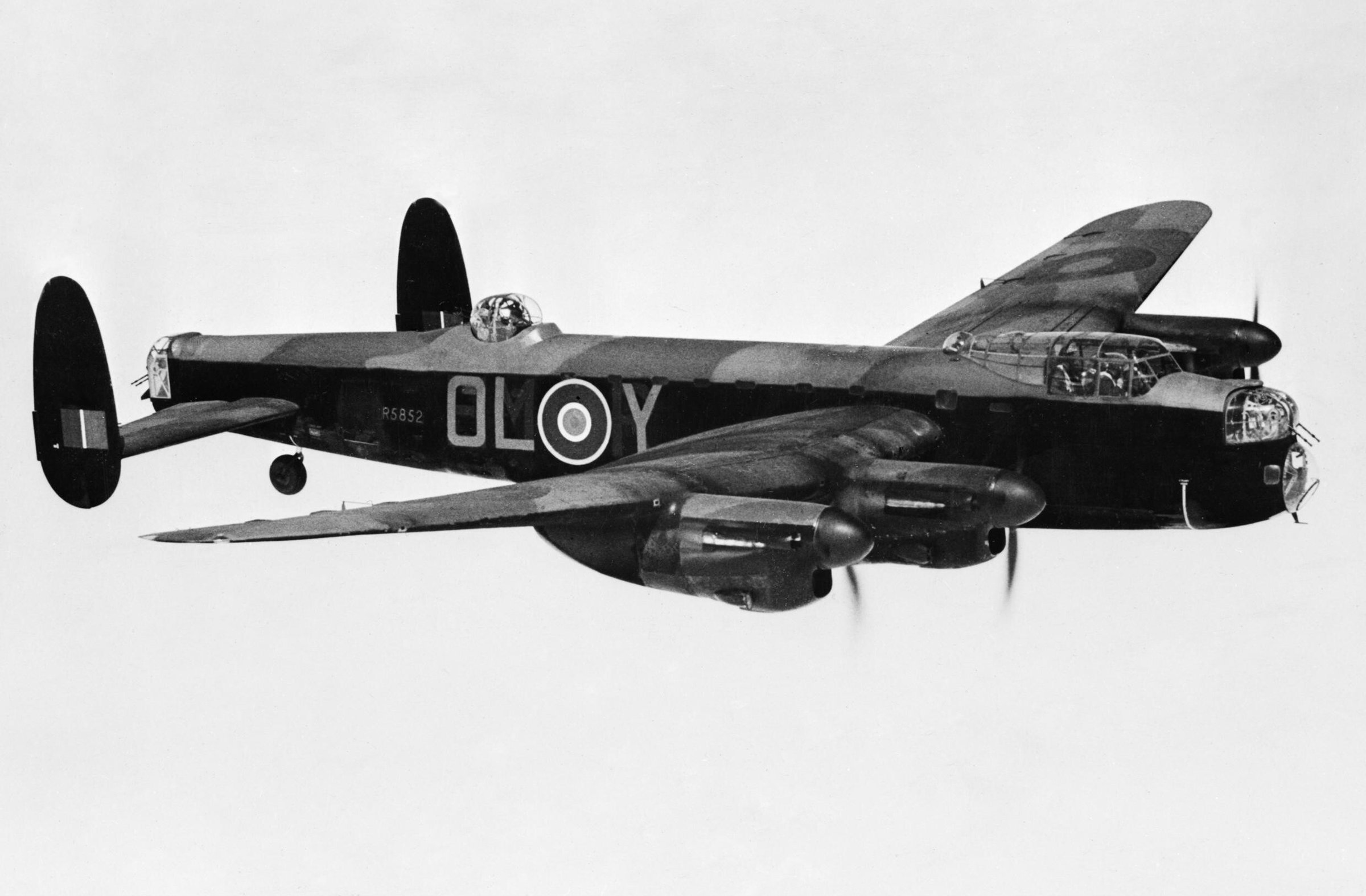
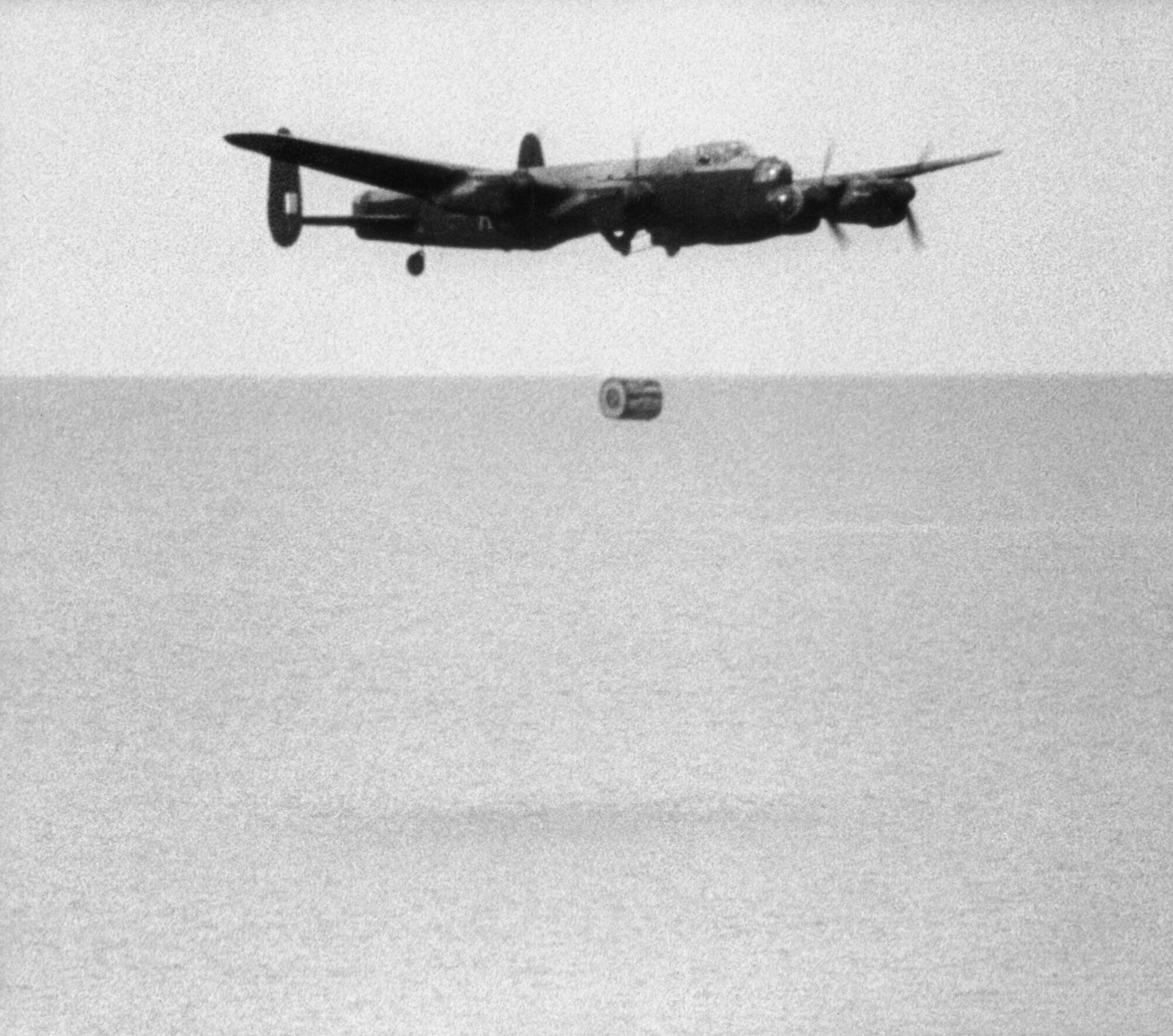
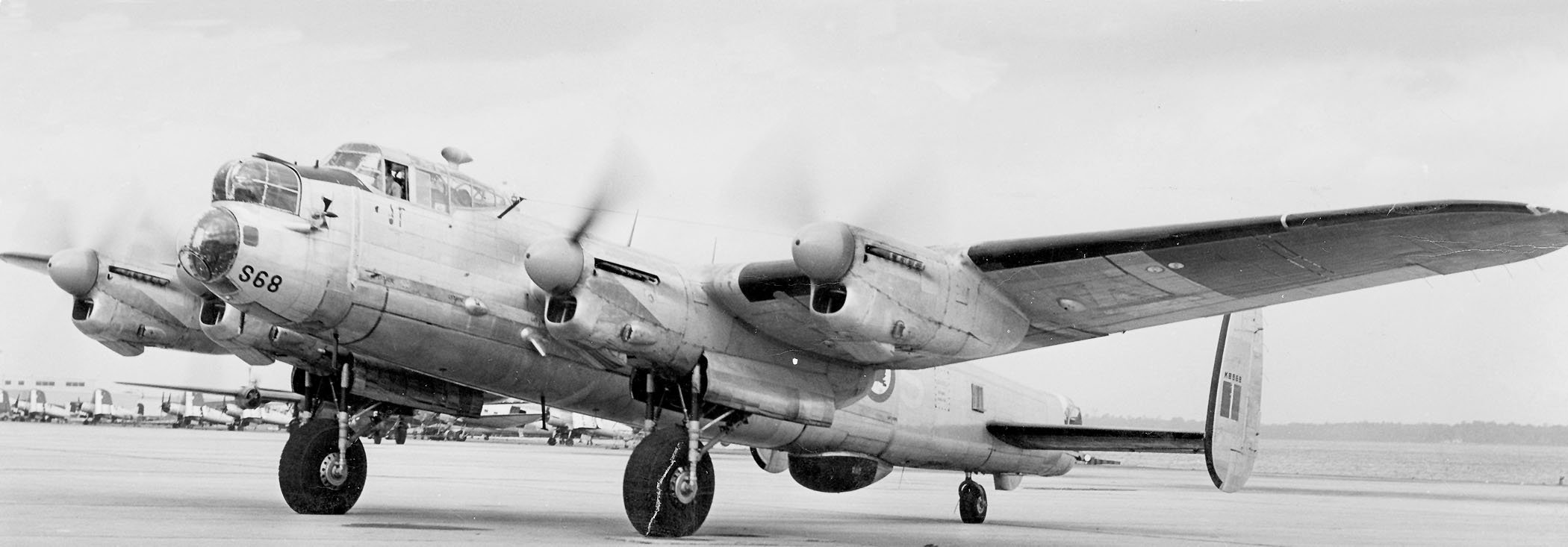
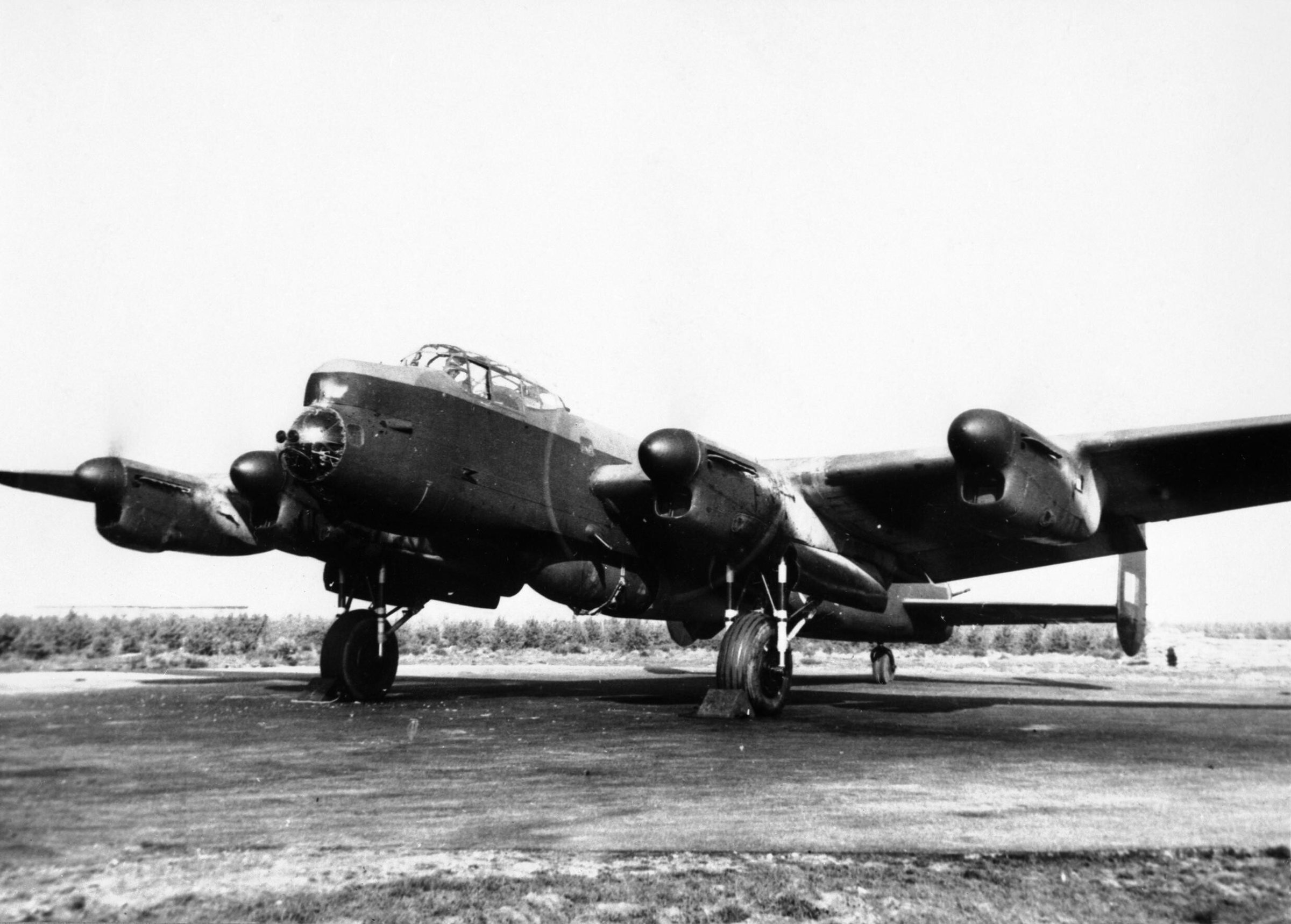
Barnes Wallis's "earthquake" bombs were designed to penetrate deep before exploding, shaking apart targets that ordinary bombs could not touch. For the 5.4-tonne Tallboy, Lancasters received bulged bomb-bay doors and some lost their mid-upper turret; Tallboy-armed Lancasters of Nos. 617 and 9 Squadrons sank the battleship Tirpitz in November 1944. The 22,000 lb Grand Slam was too large for any bomb bay, so in early 1945 about 32–33 B.Is were converted as the B.I Special.
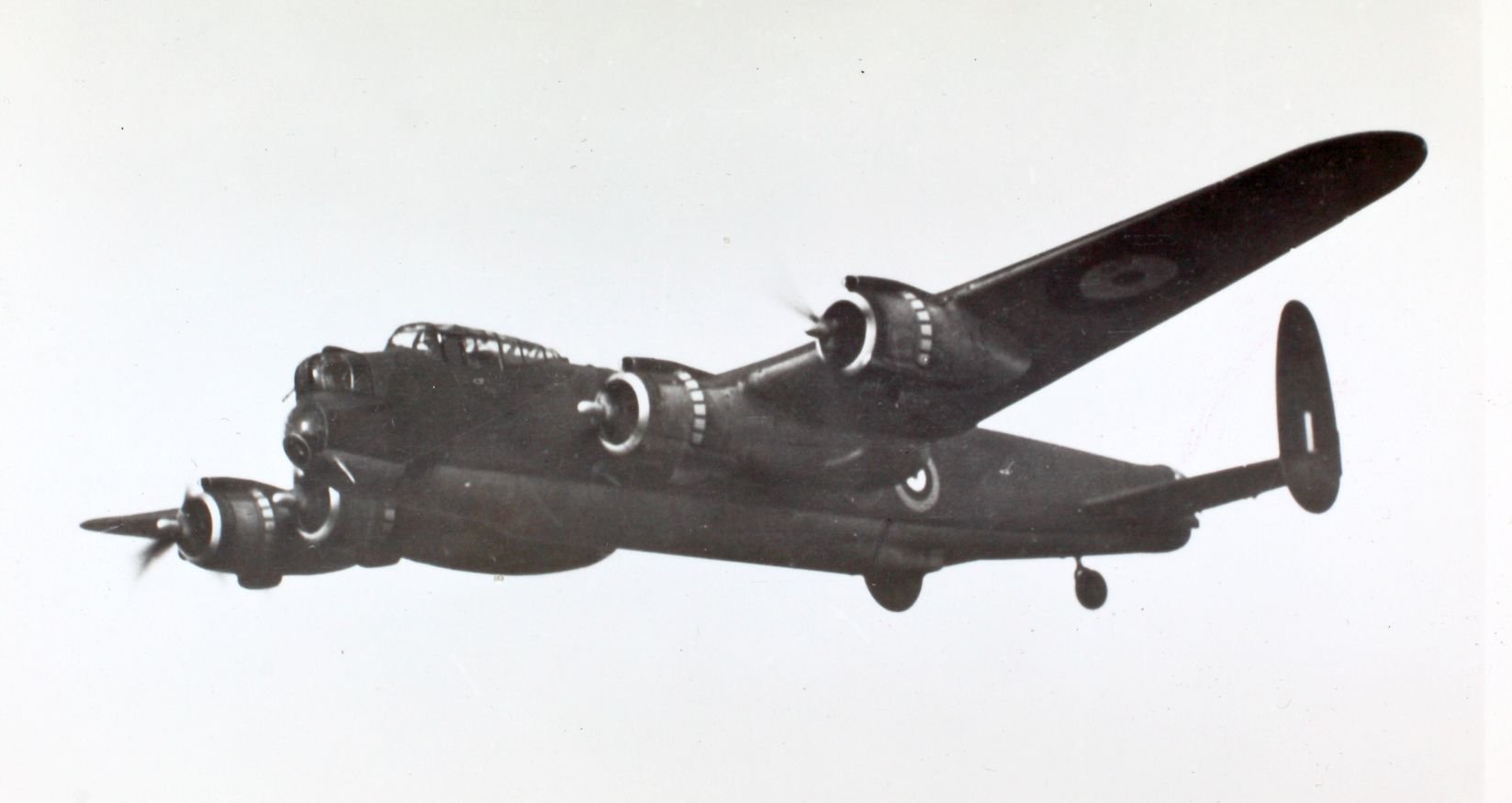
On these aircraft the bomb doors were removed completely and the area faired over, the mid-upper and later the nose turret were deleted, and uprated engines with paddle-blade propellers made up for the weight. Two airframes, HK541 and SW244, were also tested with a 1,200-gallon dorsal "saddle tank" for a possible Pacific role, but it spoiled the handling when full.
No. 617 Squadron dropped the first operational Grand Slam on the Bielefeld (Schildesche) railway viaduct on 14 March 1945, bringing down a long section of it. Between 14 March and 19 April 1945, 42 Grand Slams were dropped — the heaviest conventional bombs used in the Second World War.