Avro Lancaster B.II
The radial-engined Lancaster — Bristol Hercules instead of Rolls-Royce Merlins · First flight 1941 · In service 1943
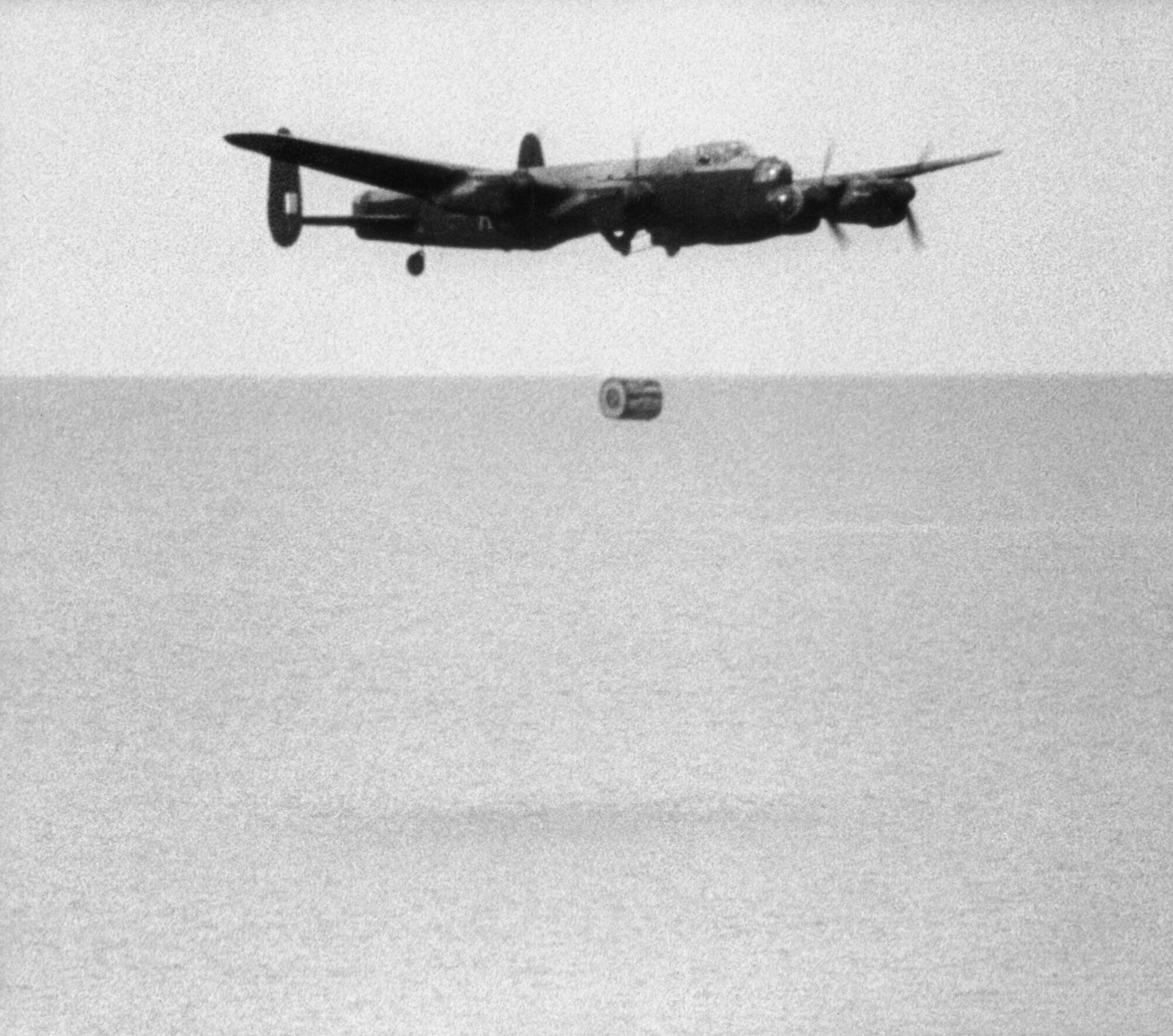
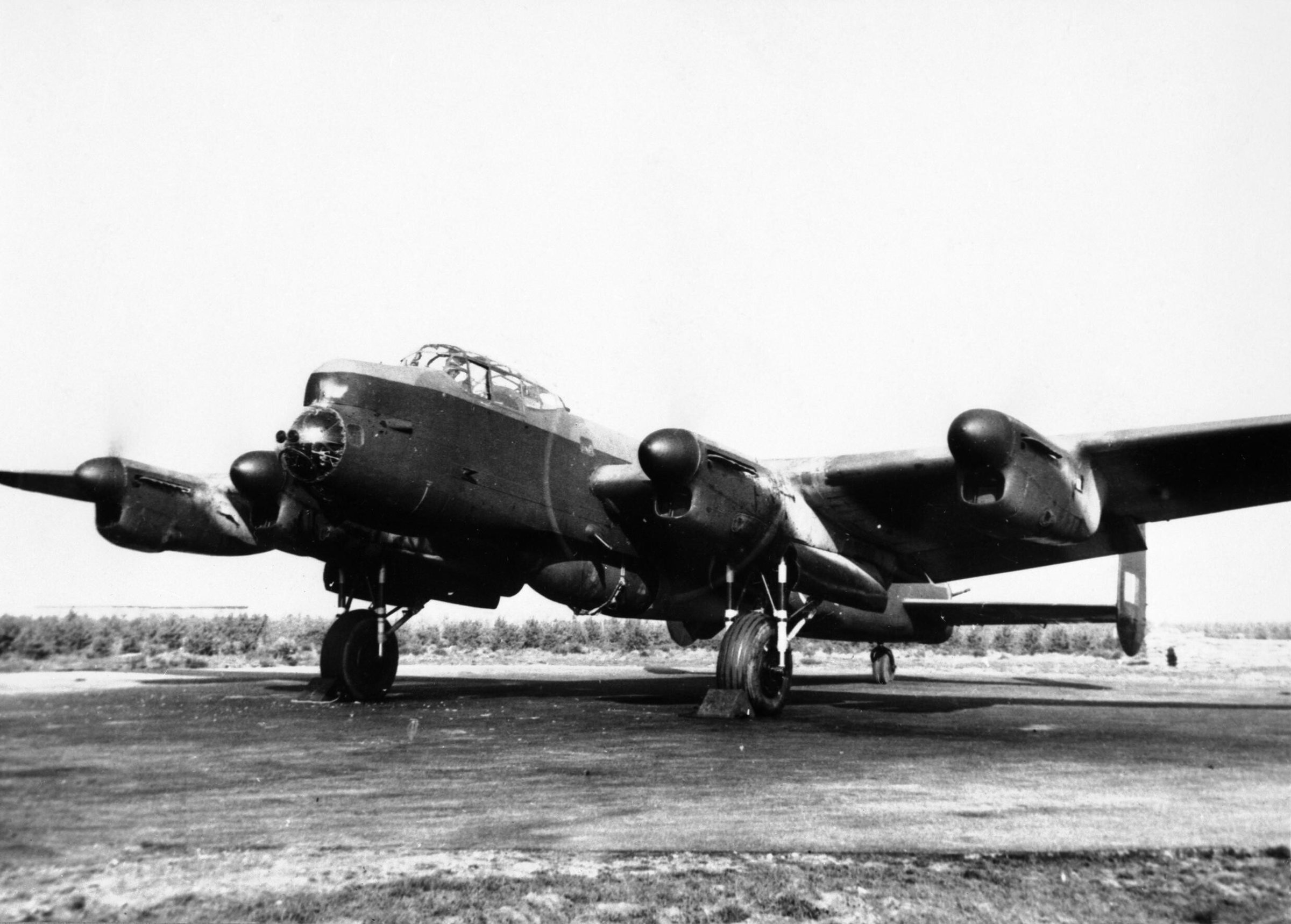
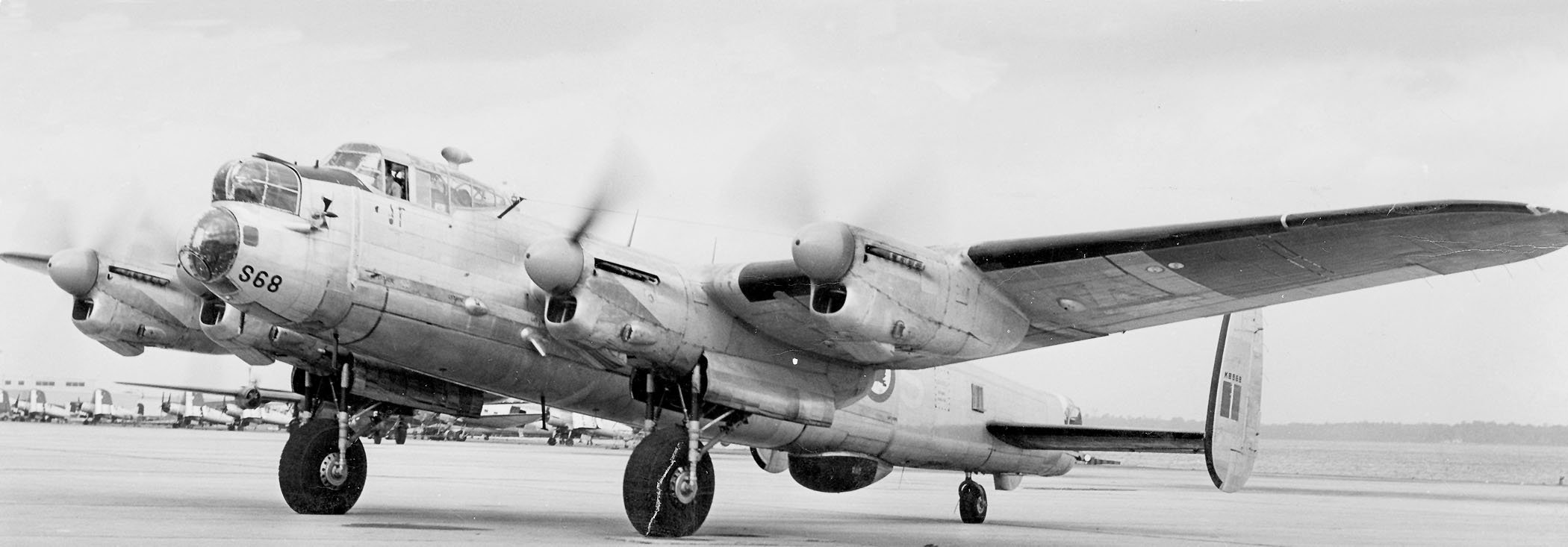
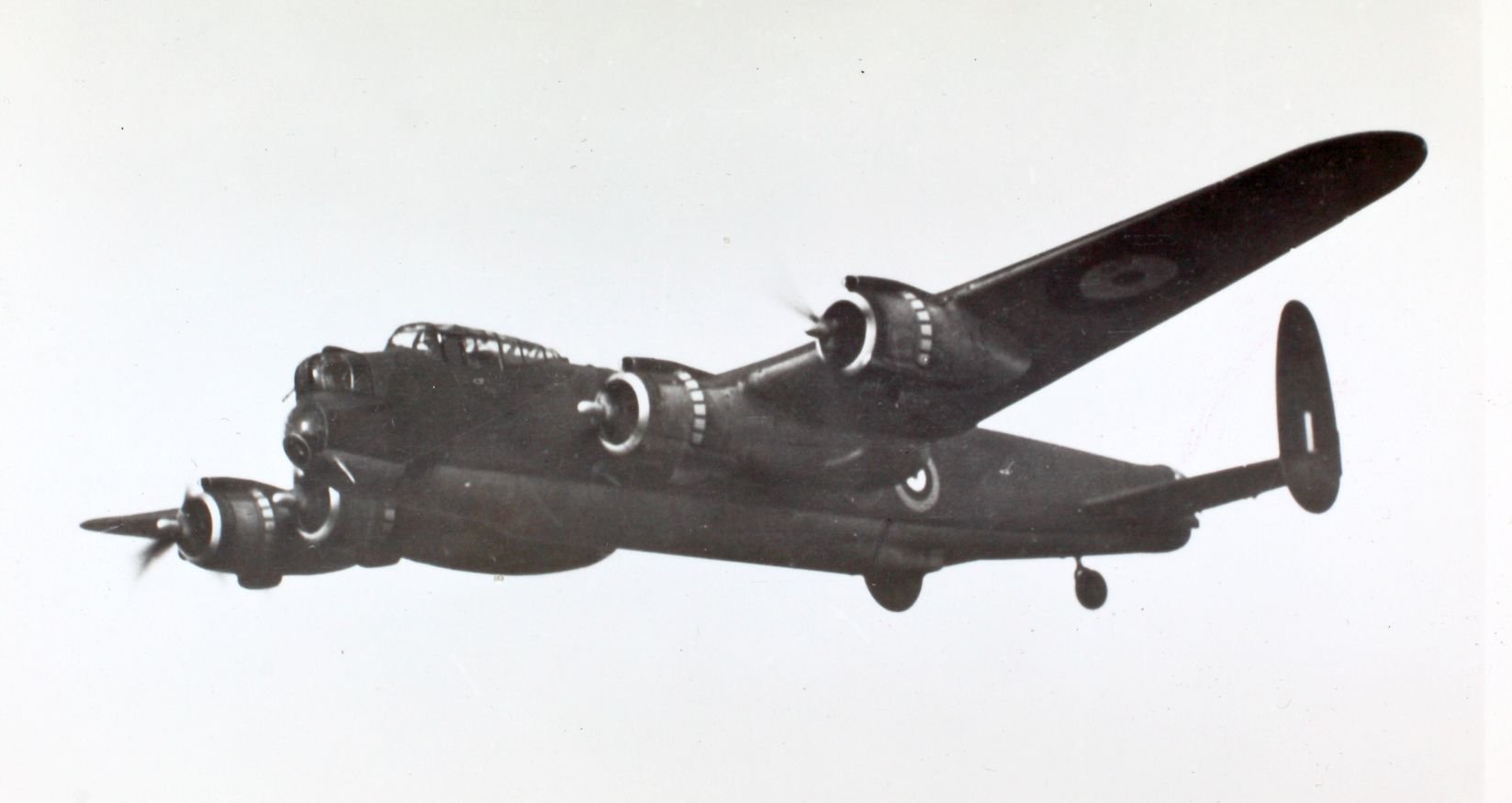
The B.II was the Lancaster with Bristol Hercules sleeve-valve radials in place of the liquid-cooled Merlins. The prototype, DT810, flew on 26 November 1941, and Armstrong Whitworth in Coventry built 300 production B.IIs with Hercules VI or XVI engines; the Hercules VI had manual mixture control, which needed an extra lever on the throttle pedestal.
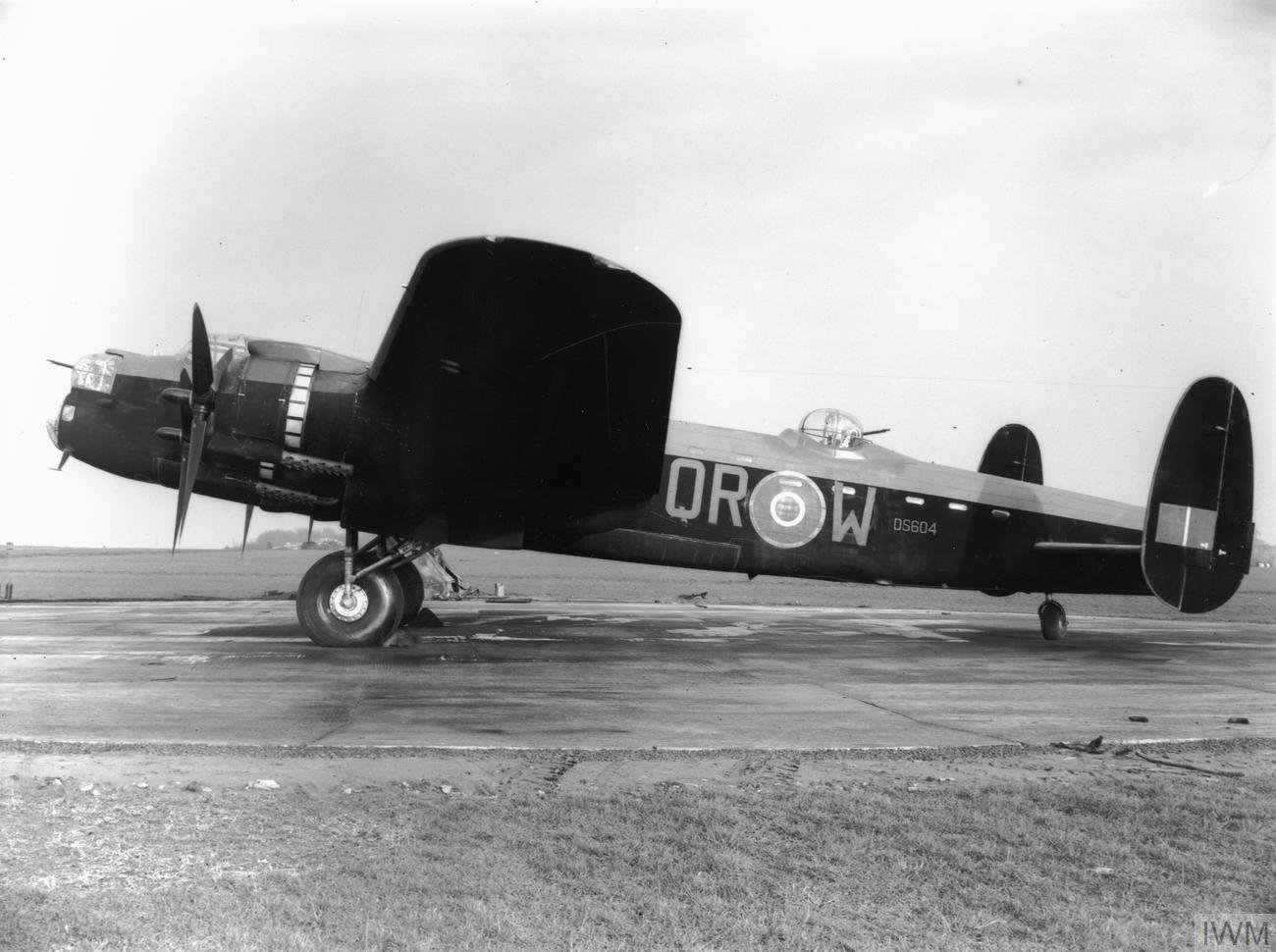
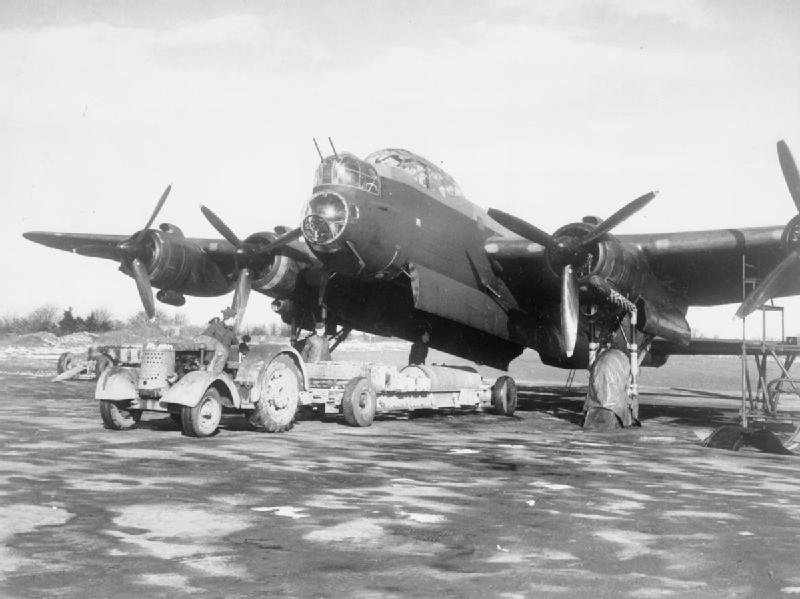
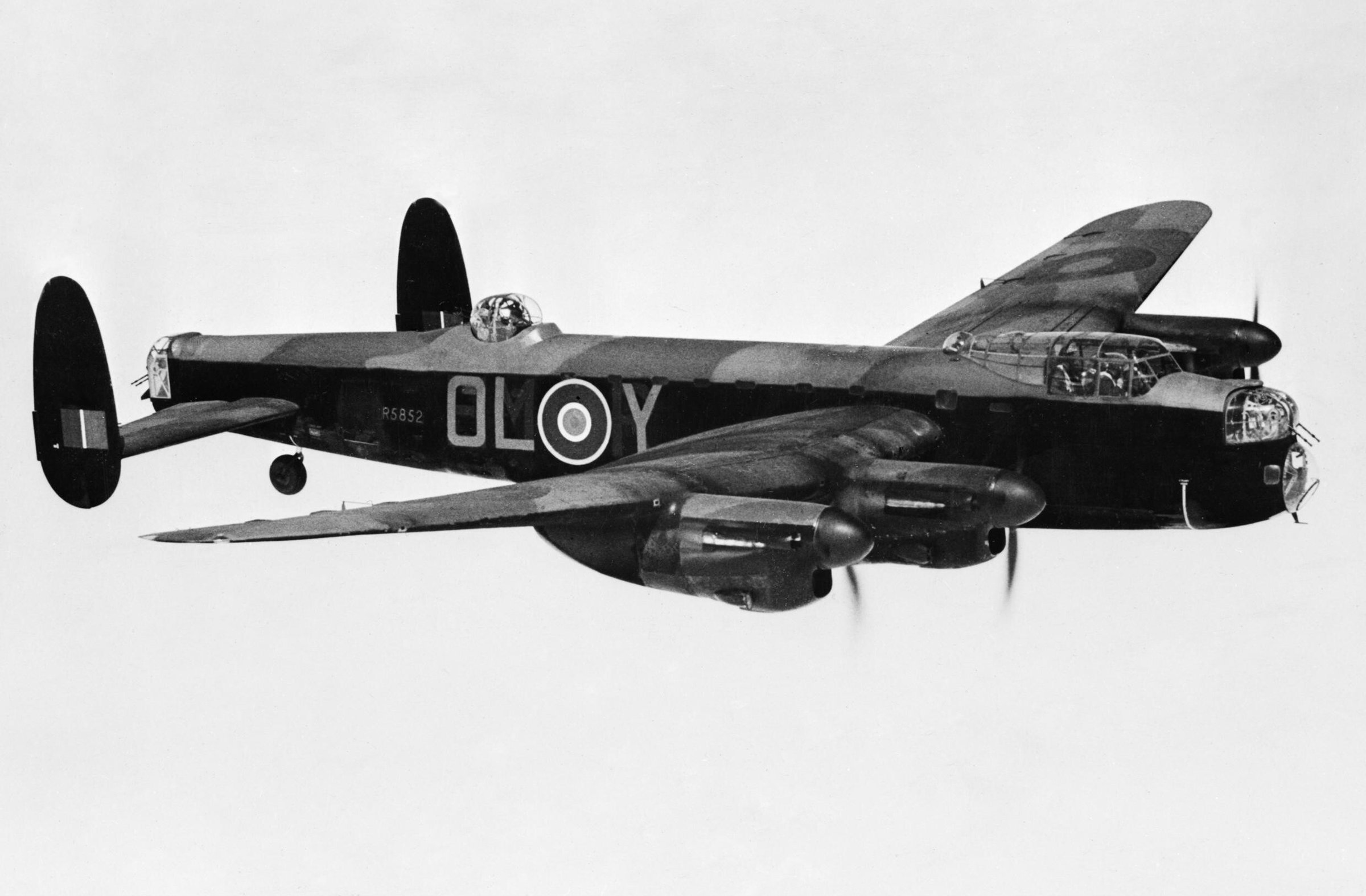
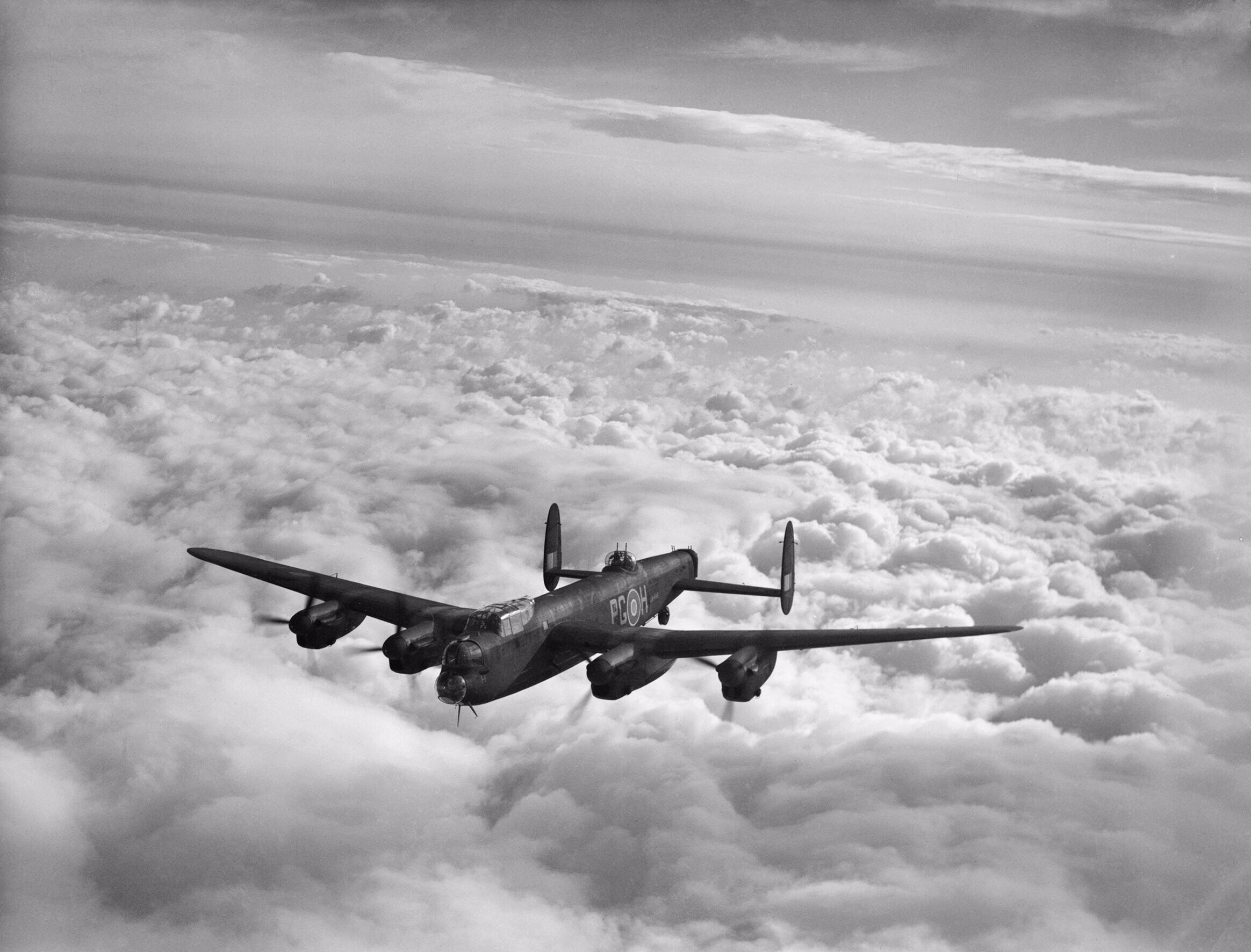
Externally the B.II is easy to spot by its big round radial cowlings and bulged bomb-bay doors. Very early aircraft carried an FN.64 ventral turret aimed through a periscope, but it was soon removed because the gunner could barely see his targets. Since the bulged bomb bay left no room for the H2S radar fitted to other Lancasters, the open ventral position was later often used for an extra gun.
B.IIs flew with RAF squadrons such as Nos. 61, 115 and 514 and with Canadian squadrons of No. 6 Group, among them Nos. 408 and 432, in 1943–44. With only 300 built against more than 6,000 Merlin-powered B.Is and B.IIIs, it remained a minority mark.