Avro Lancaster B.I
The original Merlin-powered Lancaster — and the most-built mark of all · First flight 1941 · In service 1942
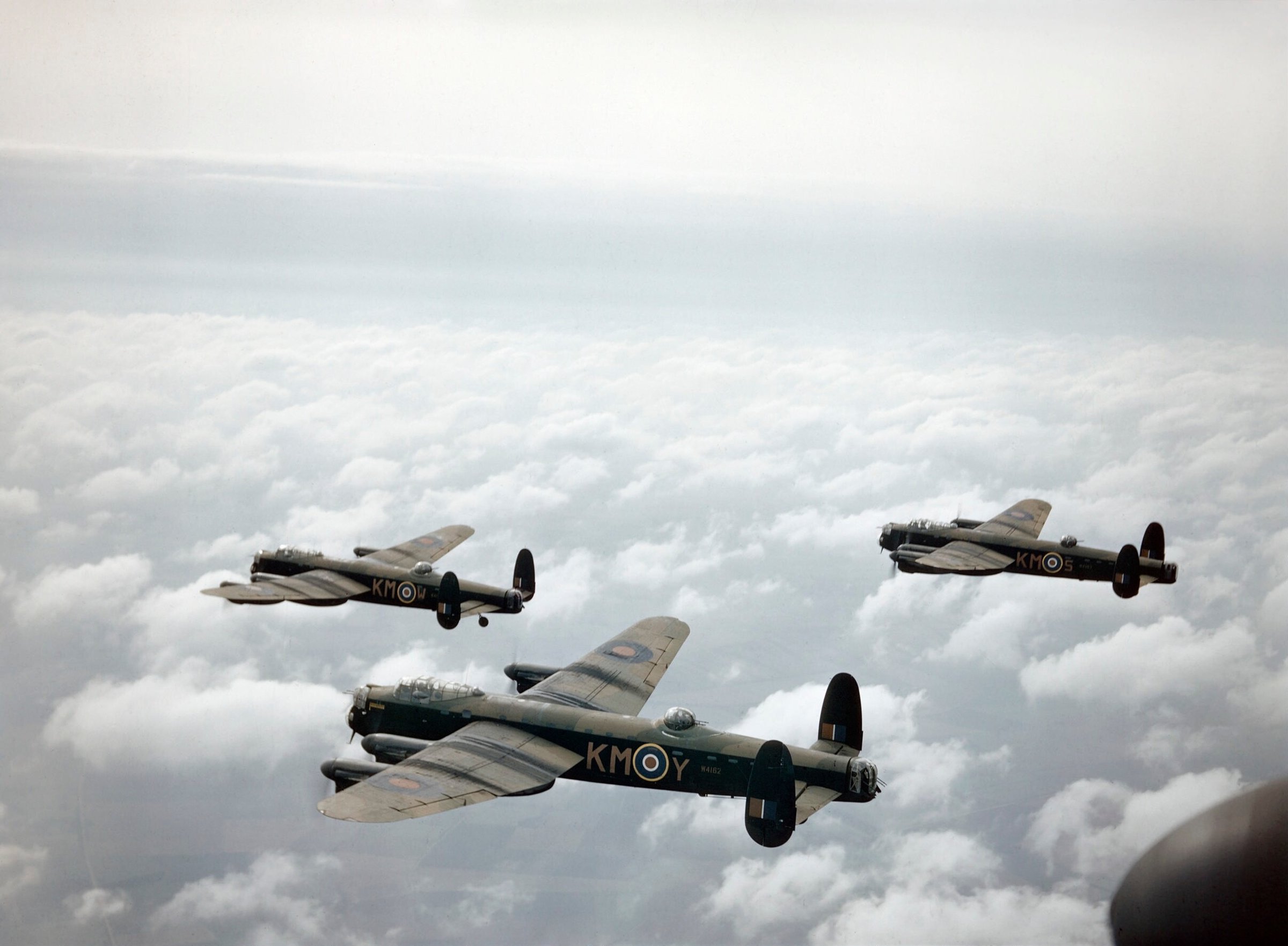
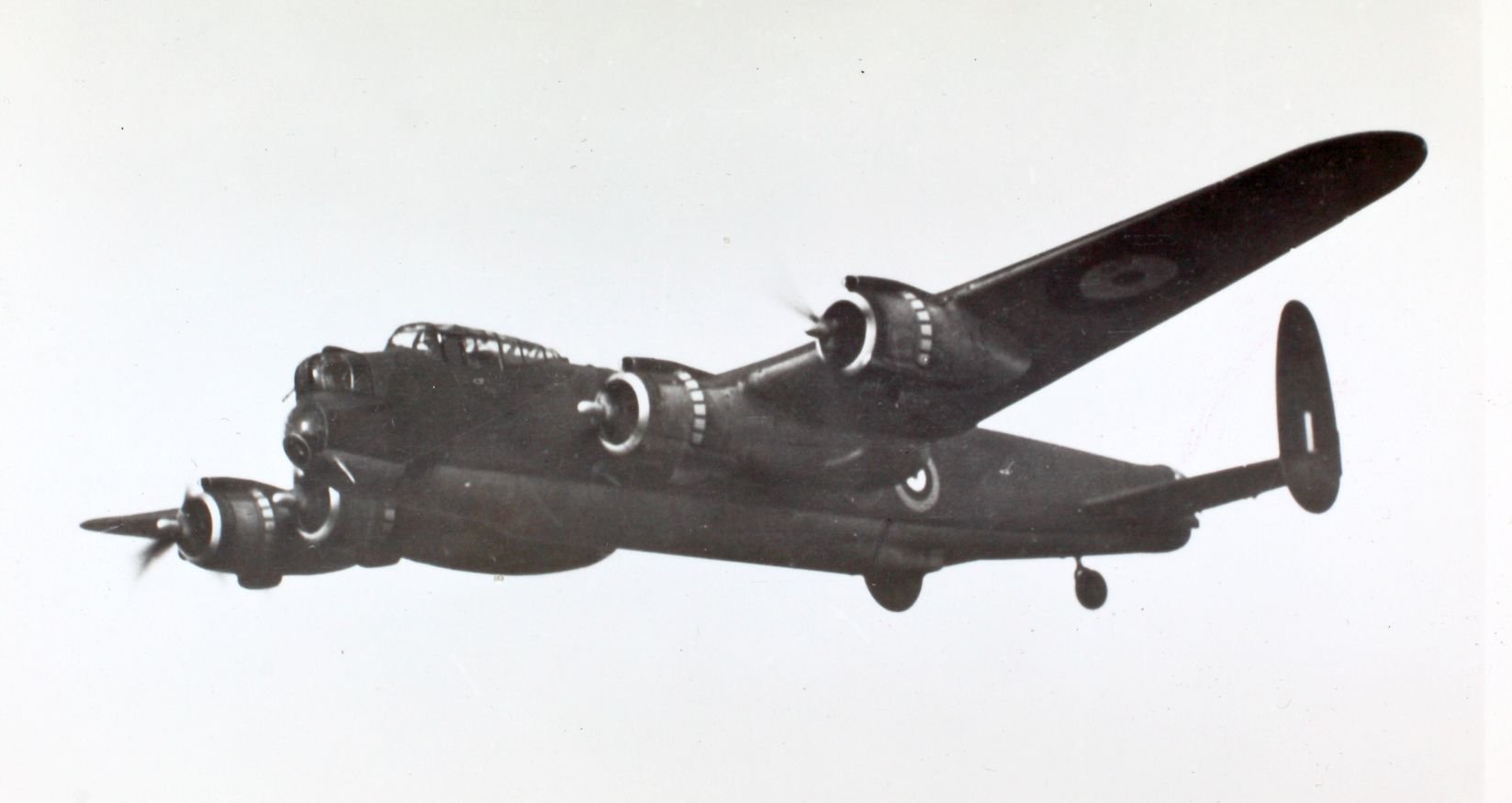
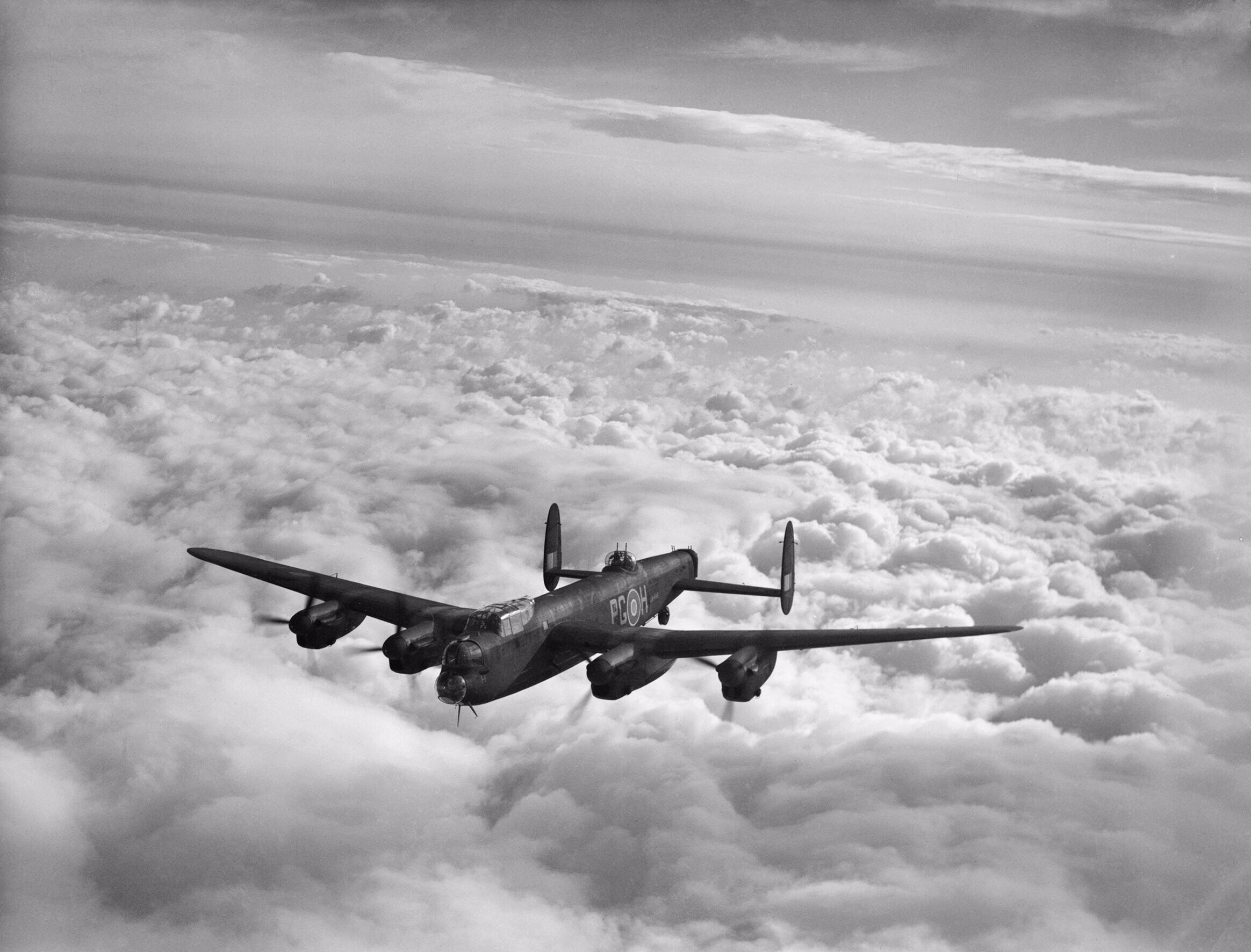
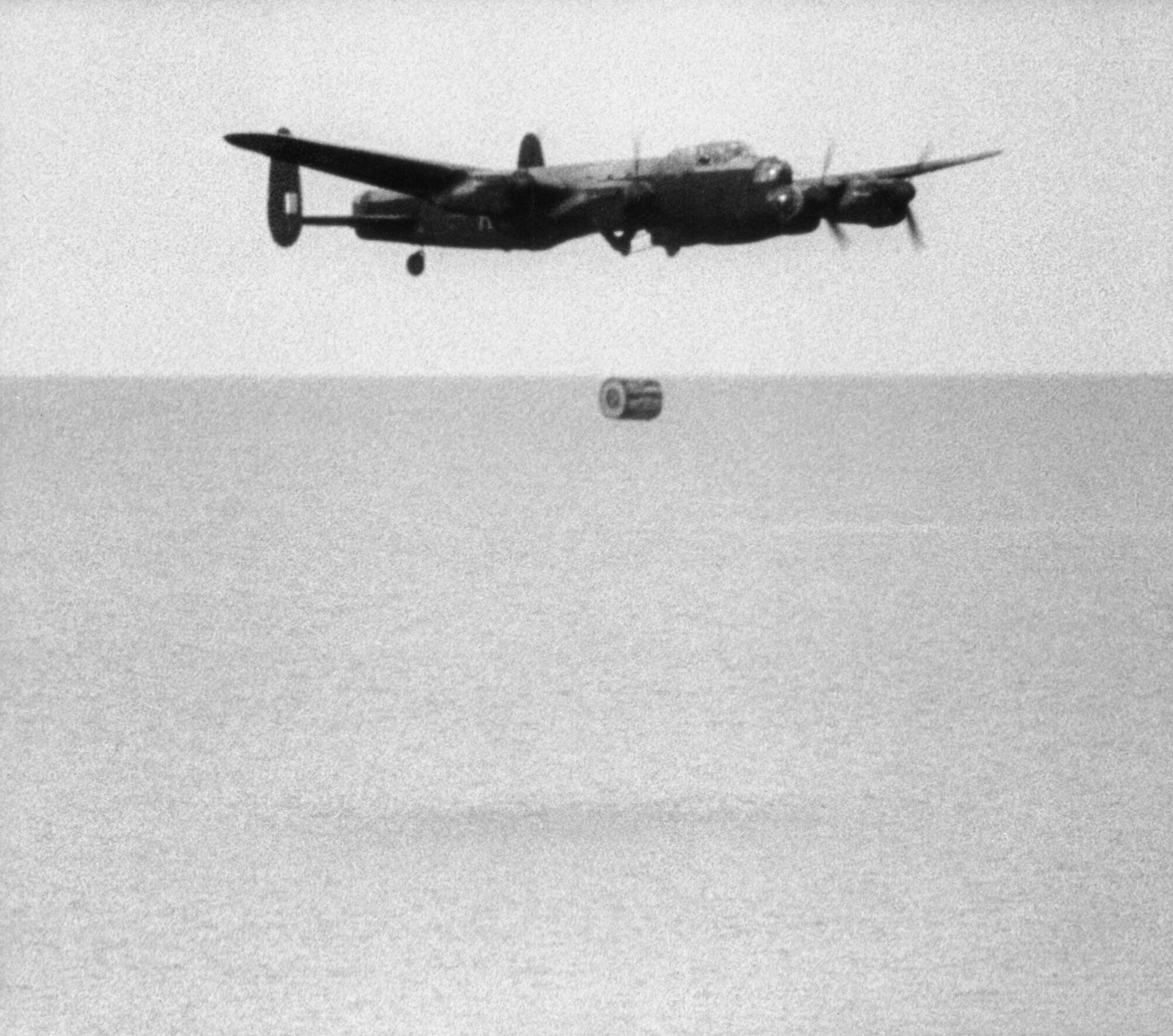
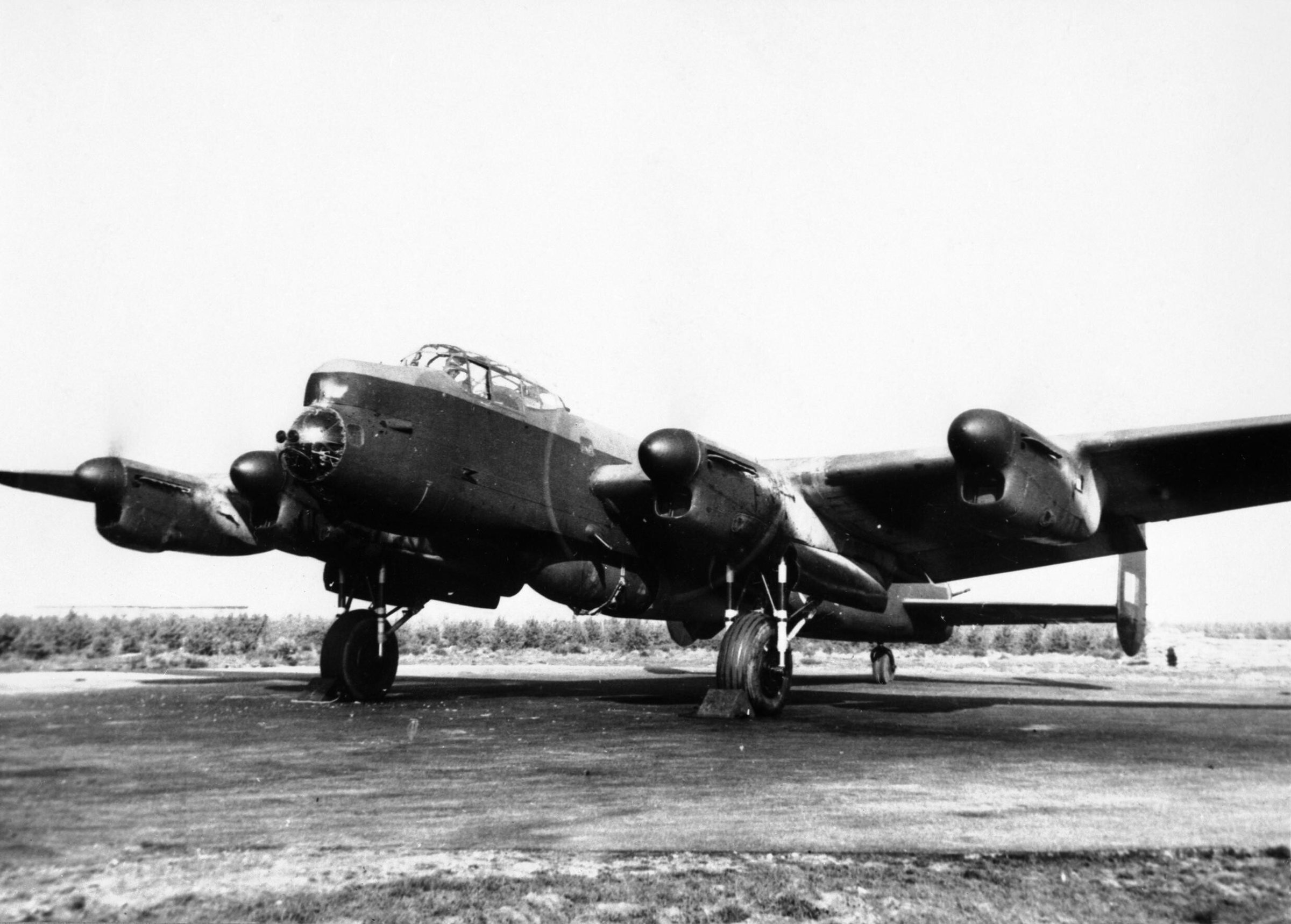
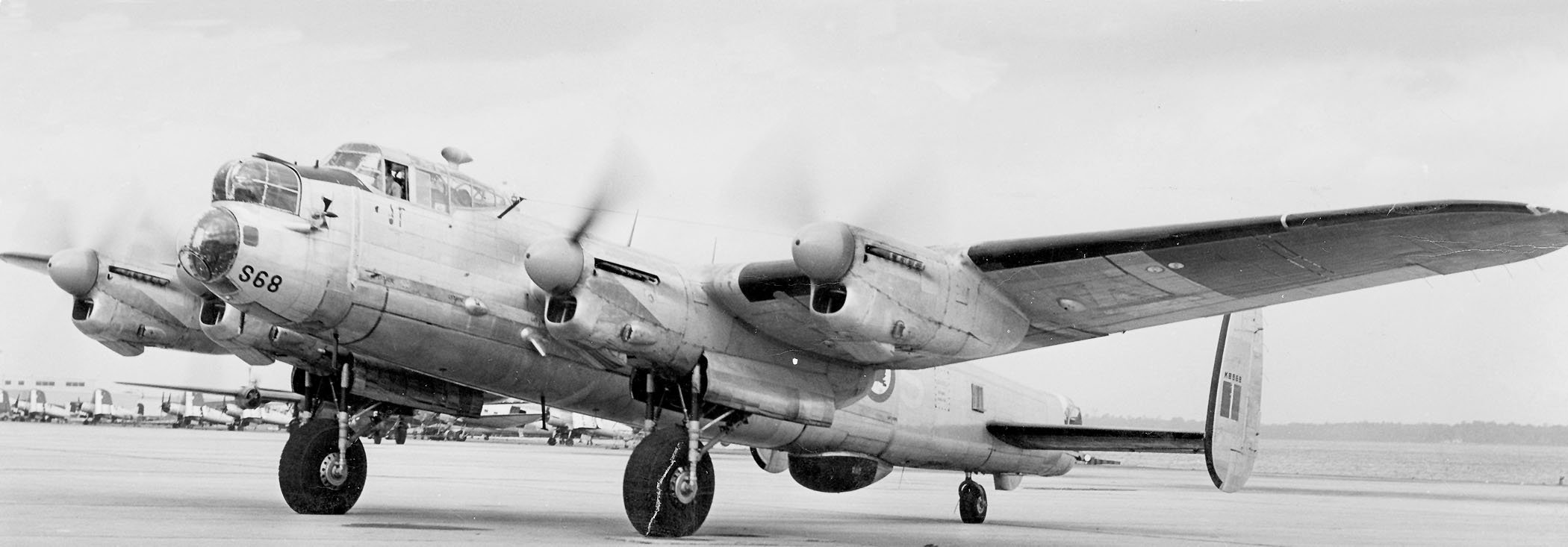
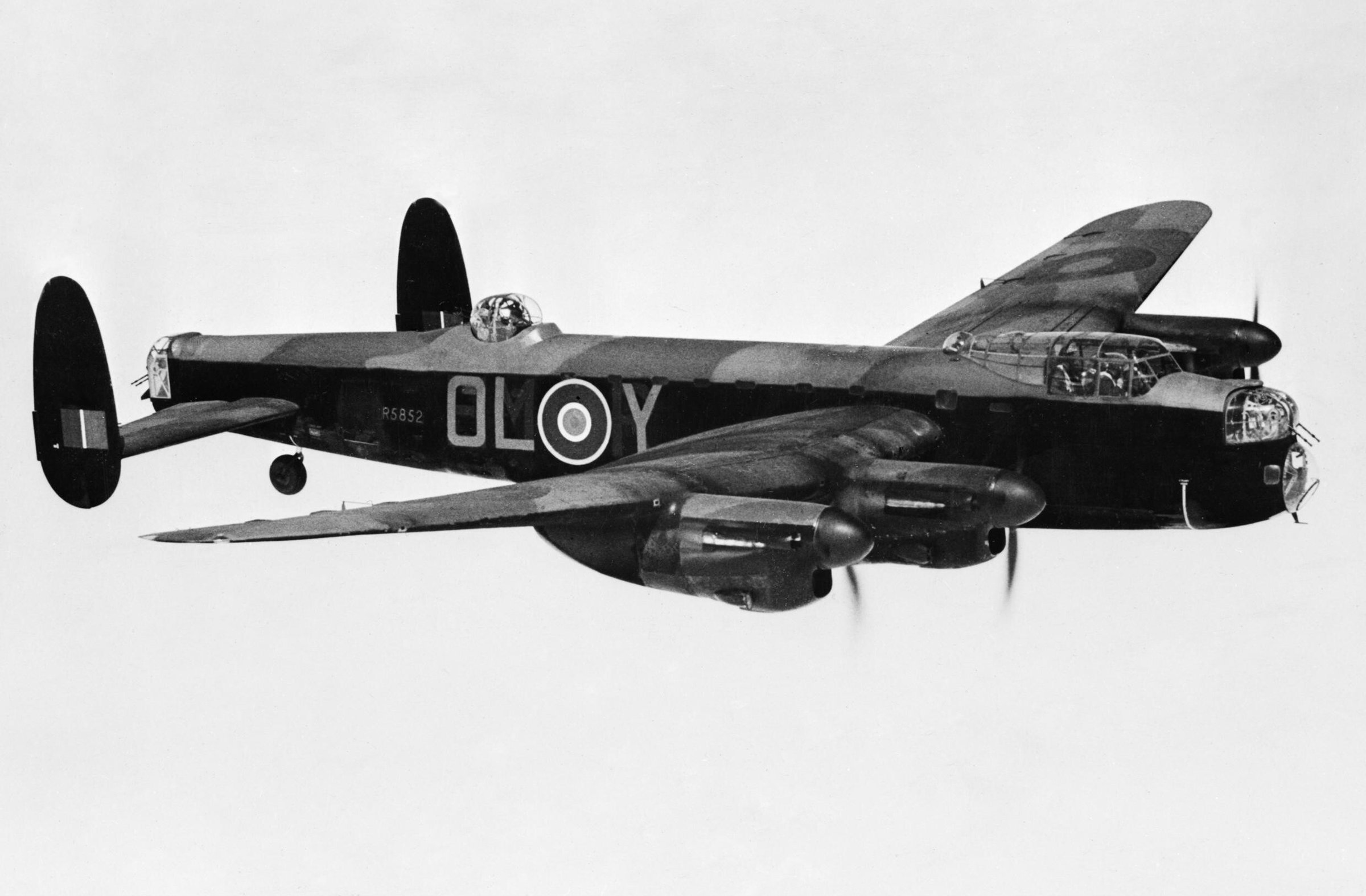
The Lancaster grew out of the troubled twin-engined Avro Manchester: Roy Chadwick's team gave it a longer wing and four Rolls-Royce Merlins, and the prototype flew from RAF Ringway on 9 January 1941 with H. A. "Sam" Brown at the controls. No. 44 Squadron flew the first operational sortie, a mine-laying mission, on 2 March 1942. The B.I kept its basic design throughout its life; later aircraft got Merlin 22 and 24 engines, a larger astrodome and bomb-aimer's blister, and in many cases bulged bomb-bay doors, without any change of designation.
Production was spread across the Lancaster Aircraft Group — Avro at Chadderton and Woodford, Metropolitan-Vickers, Armstrong Whitworth, Austin and Vickers-Armstrongs at Castle Bromwich and Chester — and 3,448 B.Is were built, nearly half of all 7,377 Lancasters. The B.I was never fully replaced and stayed in production until February 1946, with tropicalised B.I (FE) aircraft prepared for the planned Tiger Force in the Far East.
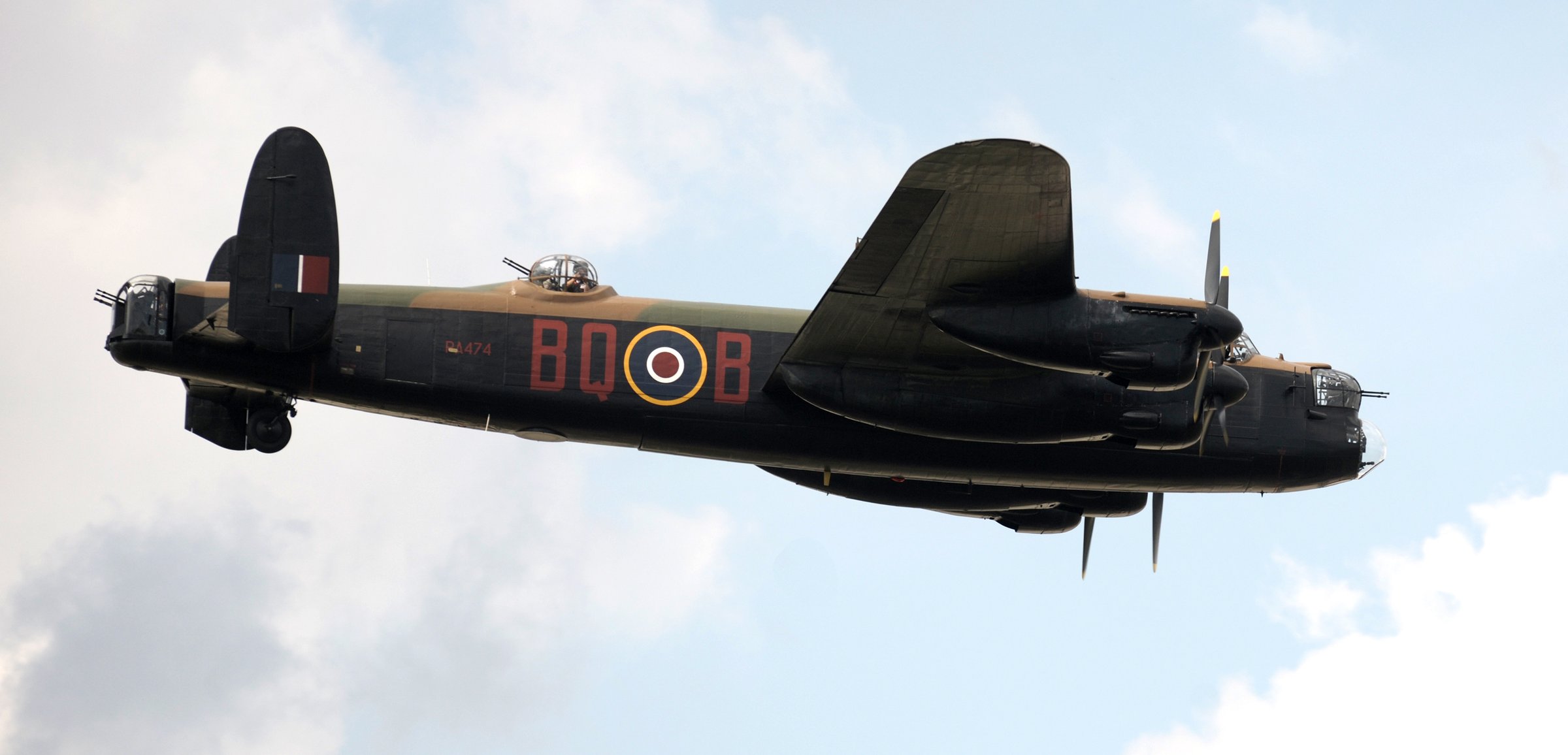
One of those late aircraft is PA474, built by Vickers-Armstrongs at Chester in 1945. After post-war photo-reconnaissance work with No. 82 Squadron in Africa it joined the RAF's Battle of Britain Memorial Flight in 1973, and it is one of only two Lancasters still flying today.