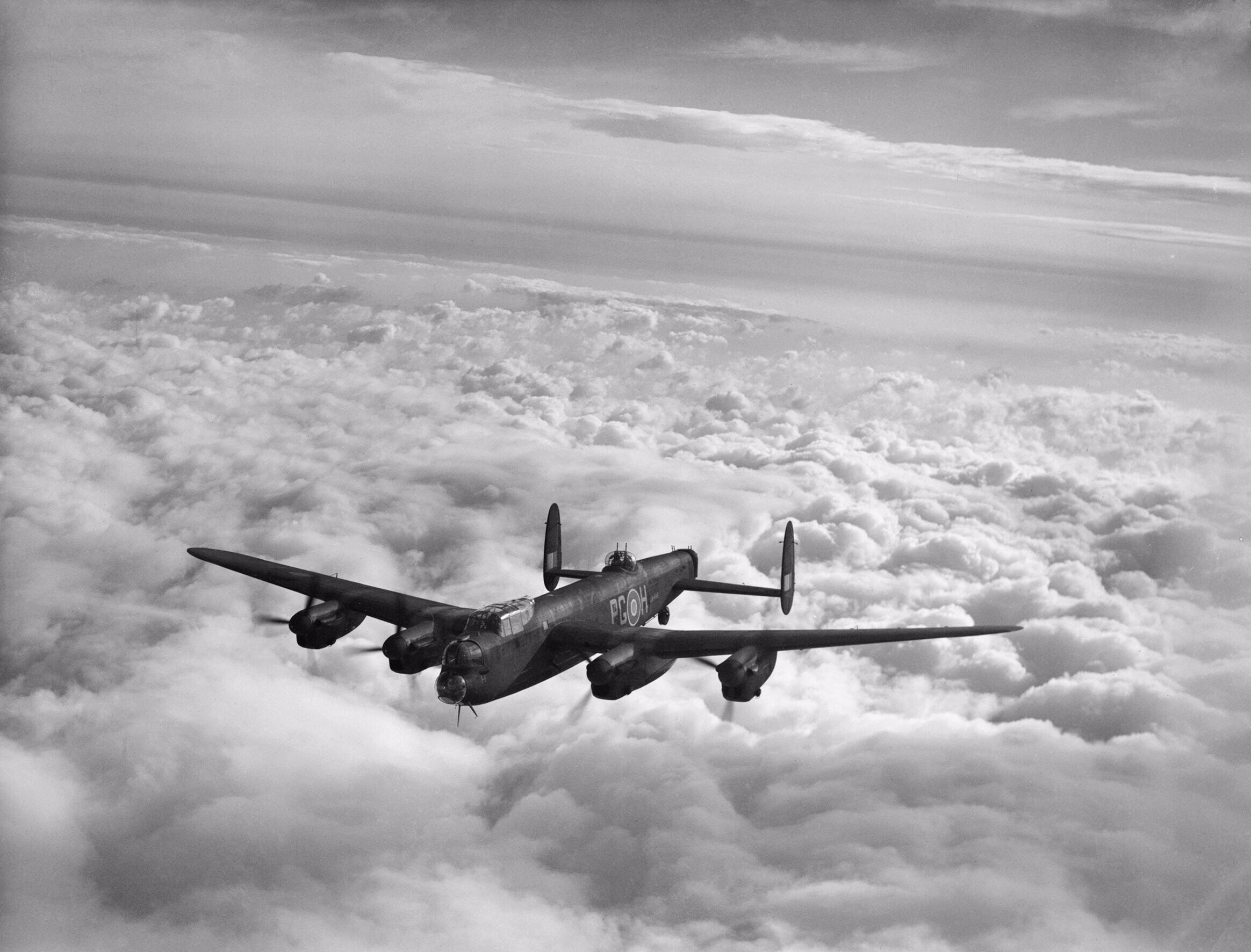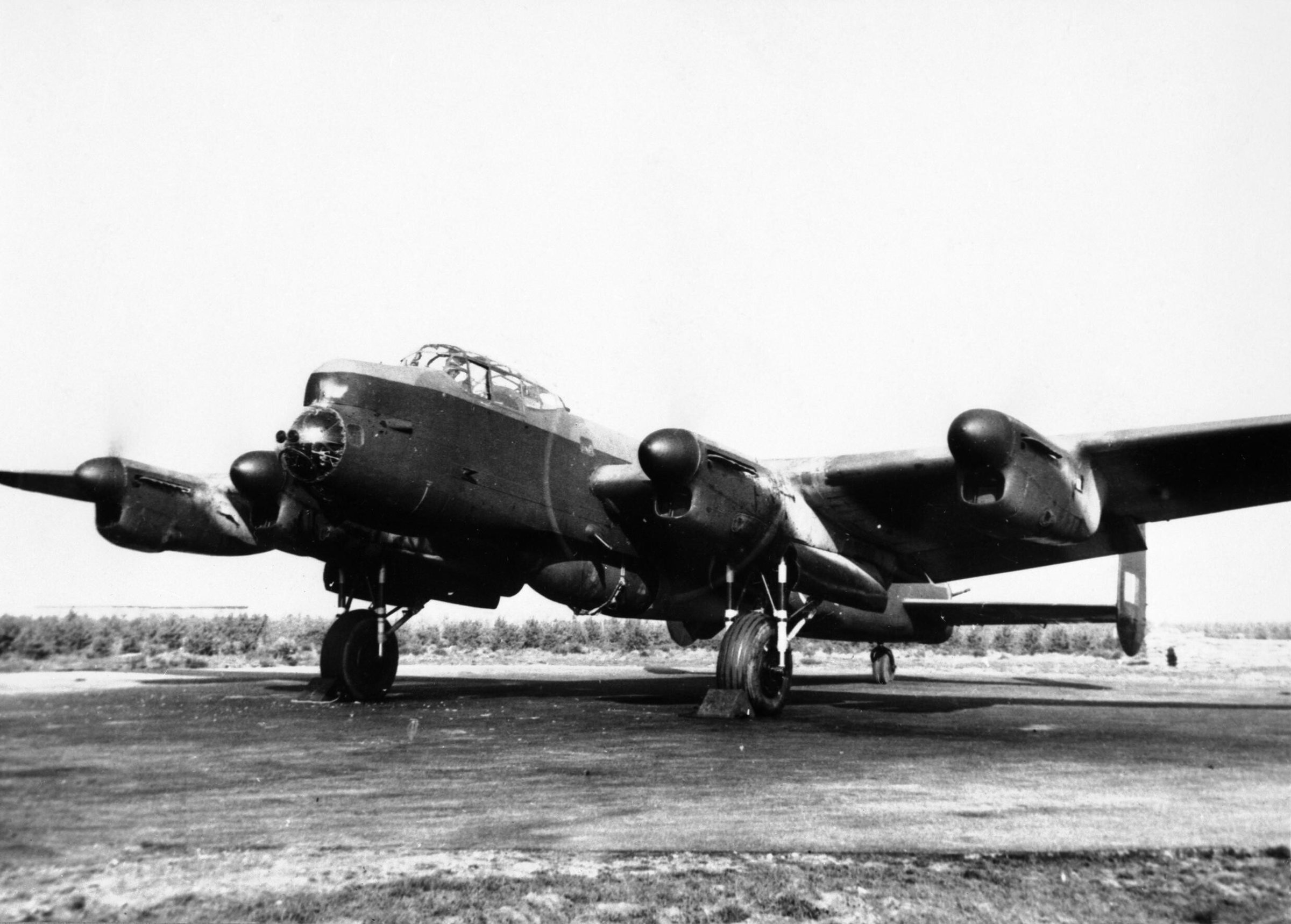
Avro Lancaster post-war maritime and survey versions (GR.3, ASR.3, PR.1, RCAF Mk 10)
Lifeboats, sonobuoys and survey cameras — the Lancaster's second career over the oceans and the Arctic · First flight 1945 · In service until 1964
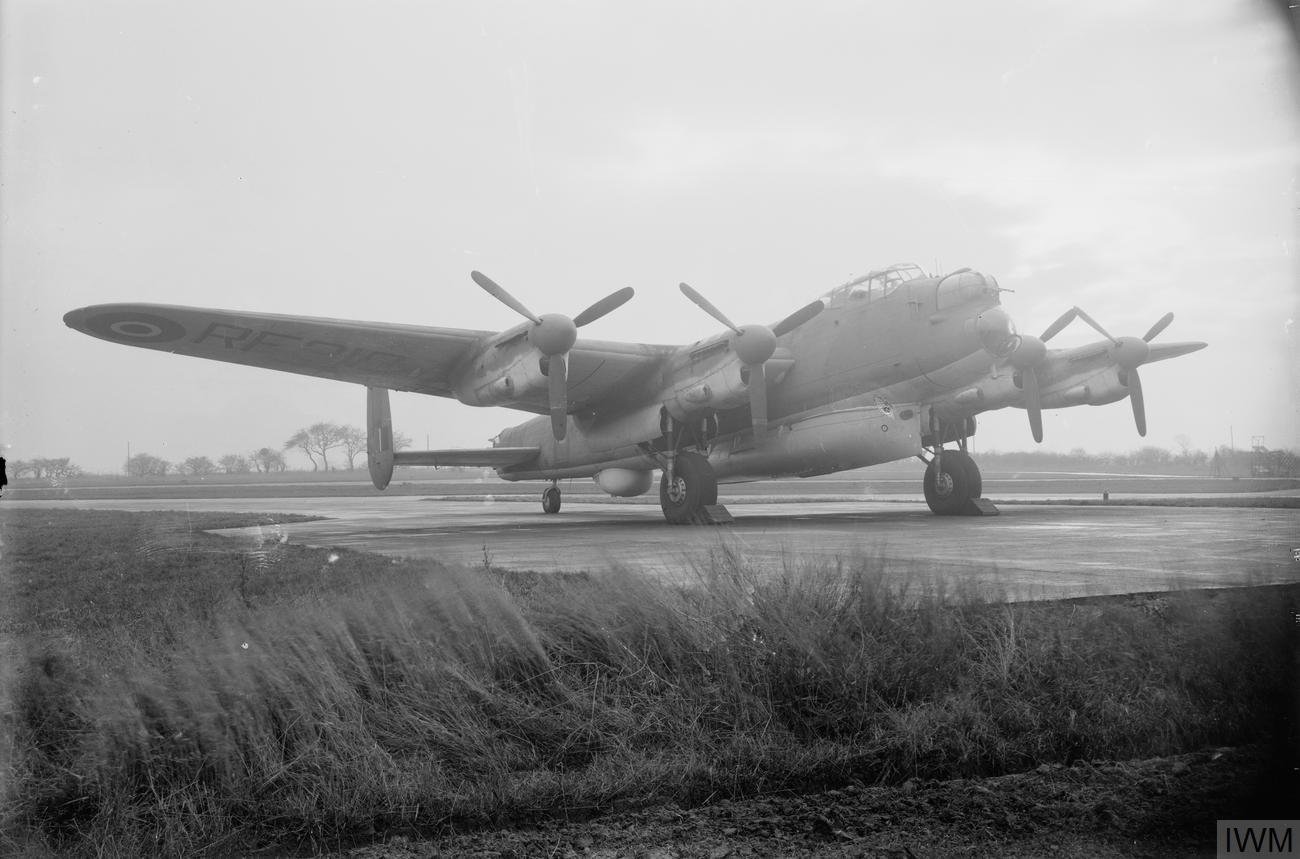
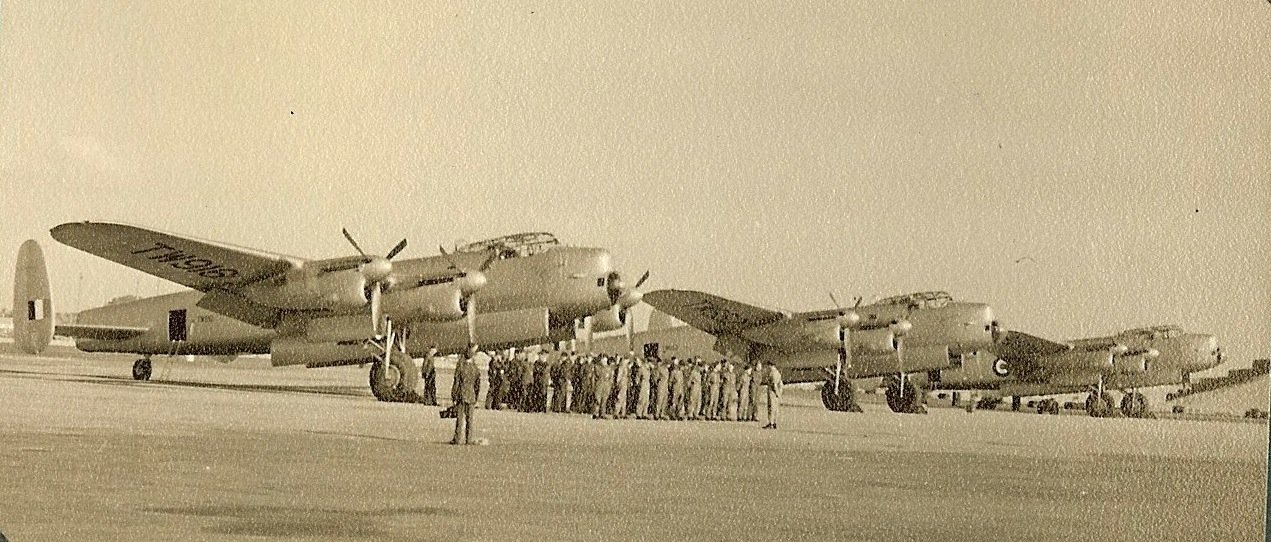
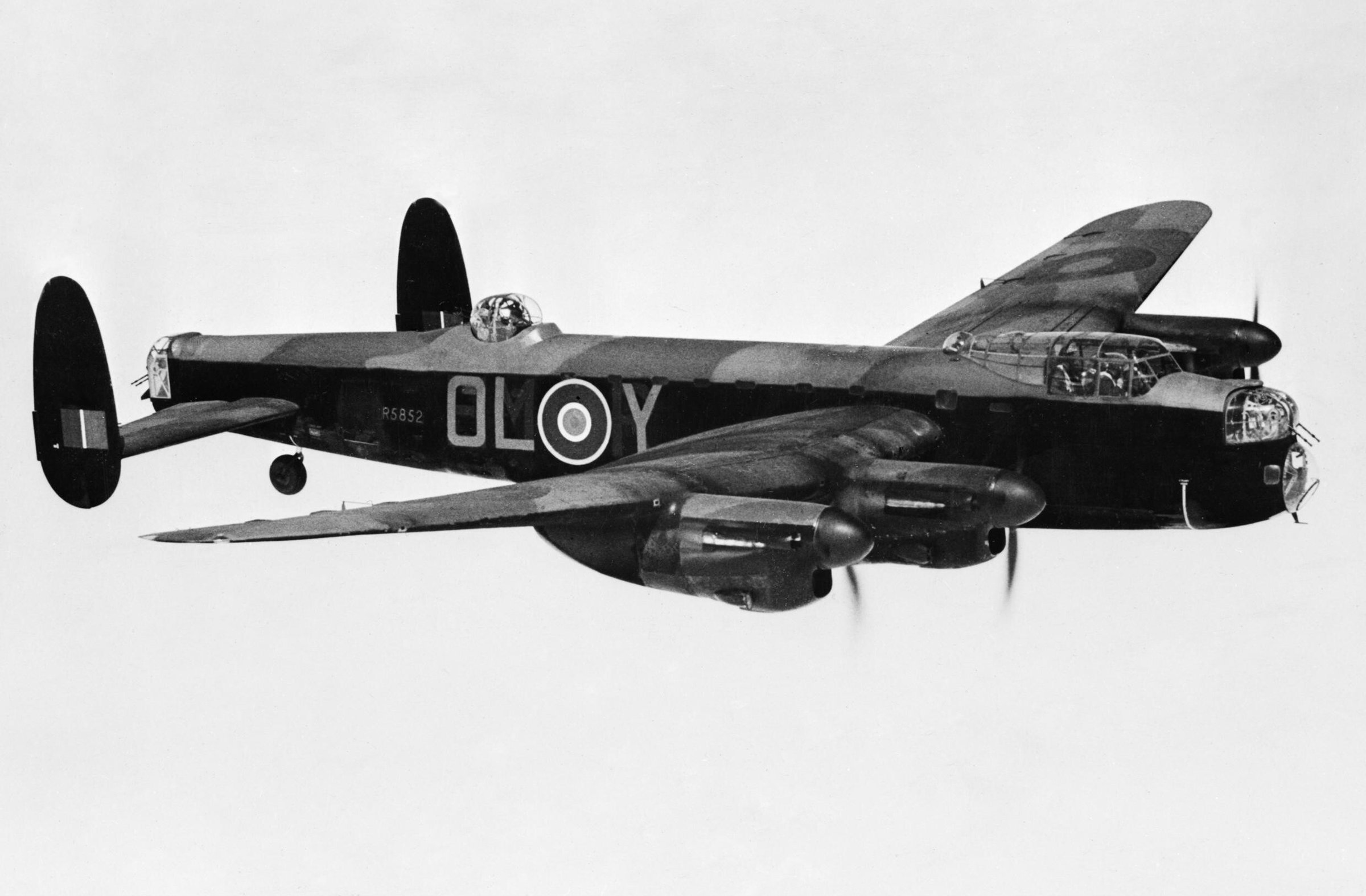
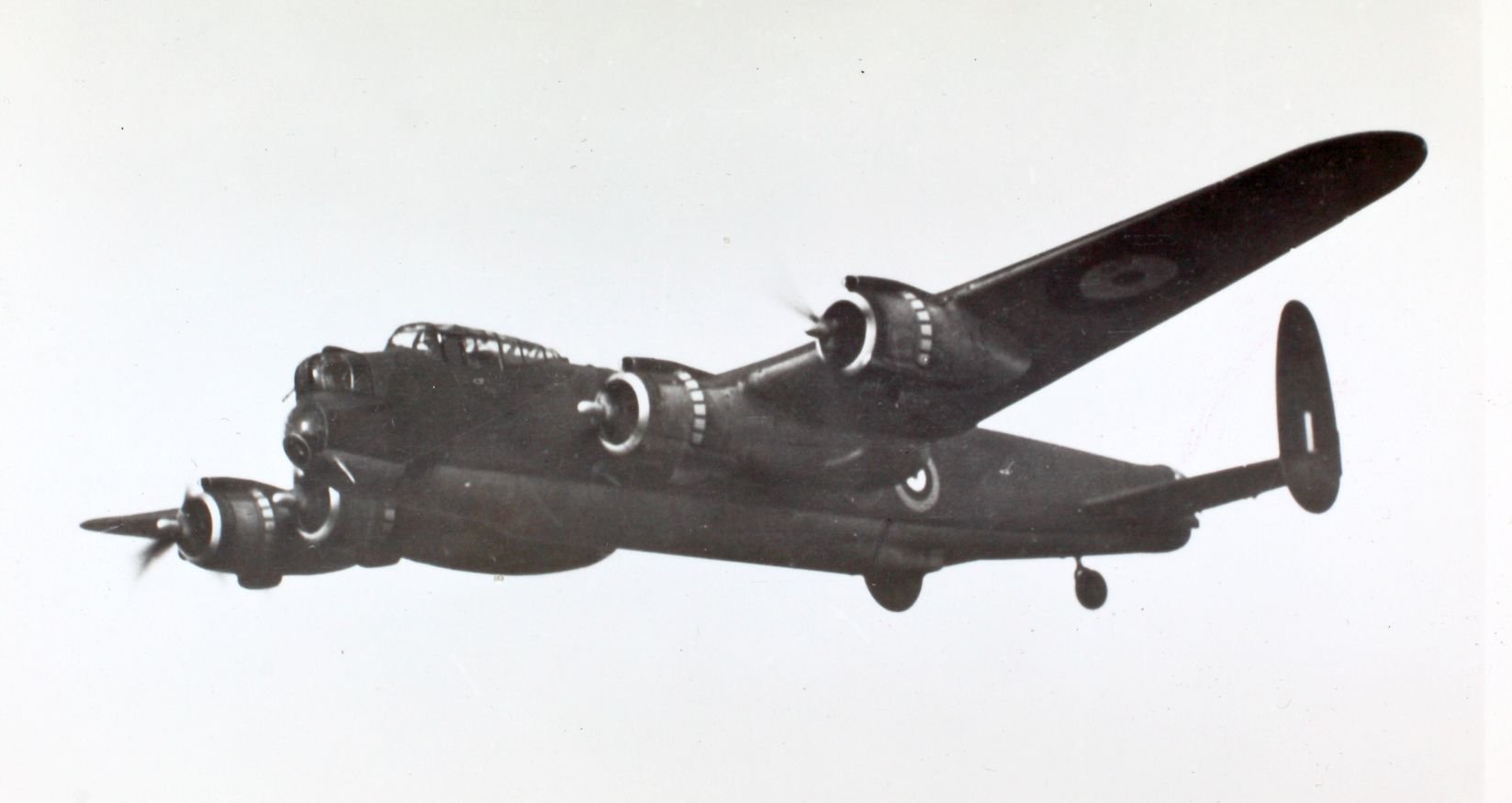
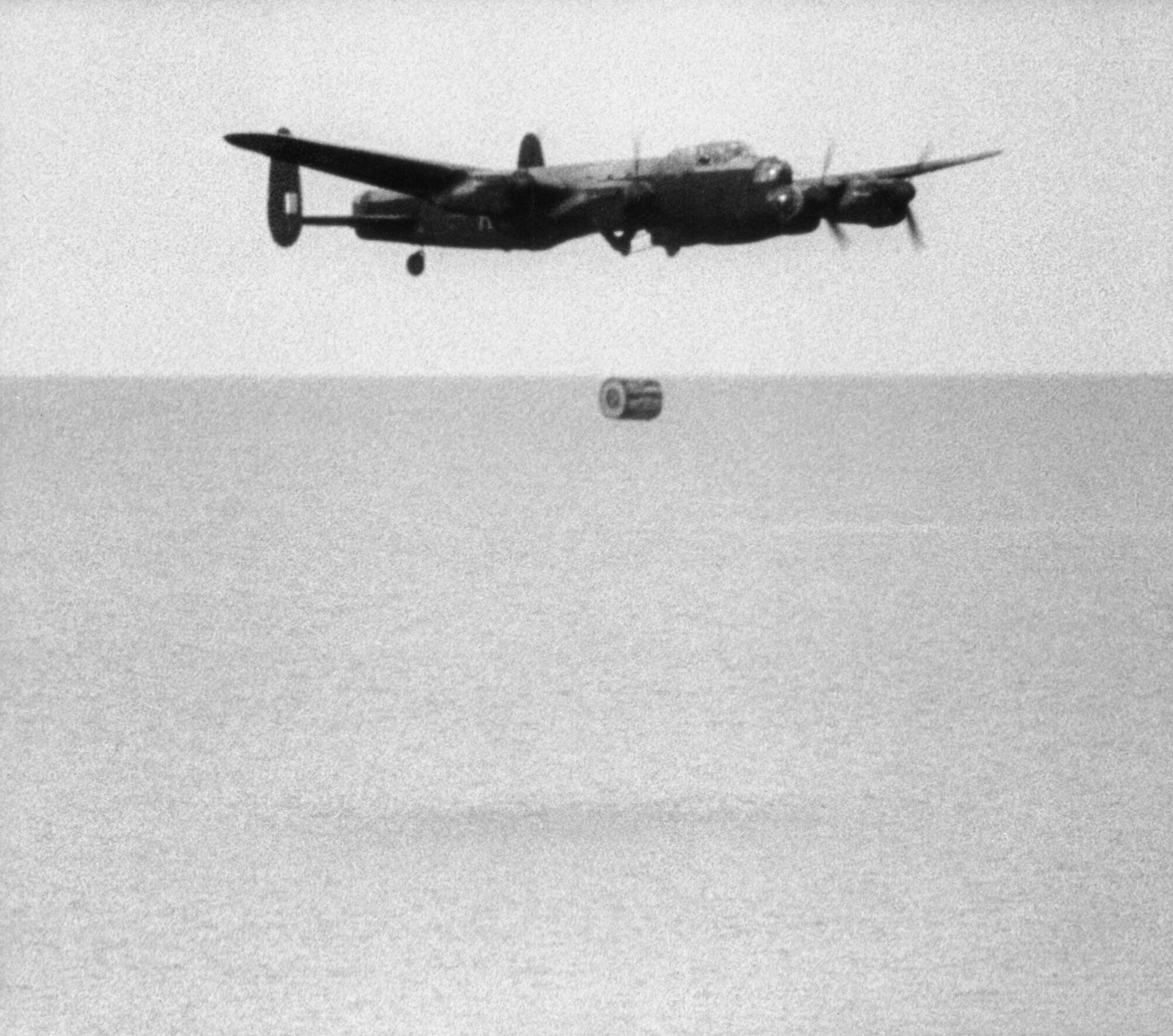
In the RAF the Lancaster was replaced as a bomber by its development, the Avro Lincoln — the last Bomber Command Lancaster went in December 1953 — but converted aircraft carried on. The ASR.3 carried an airborne lifeboat in its bomb bay and had extra observation windows, Coastal Command flew a small number of grey-painted maritime-reconnaissance Lancasters, and the turretless PR.1 photographed Central and East Africa with No. 82 Squadron and the Middle East with No. 683 Squadron until 1953.
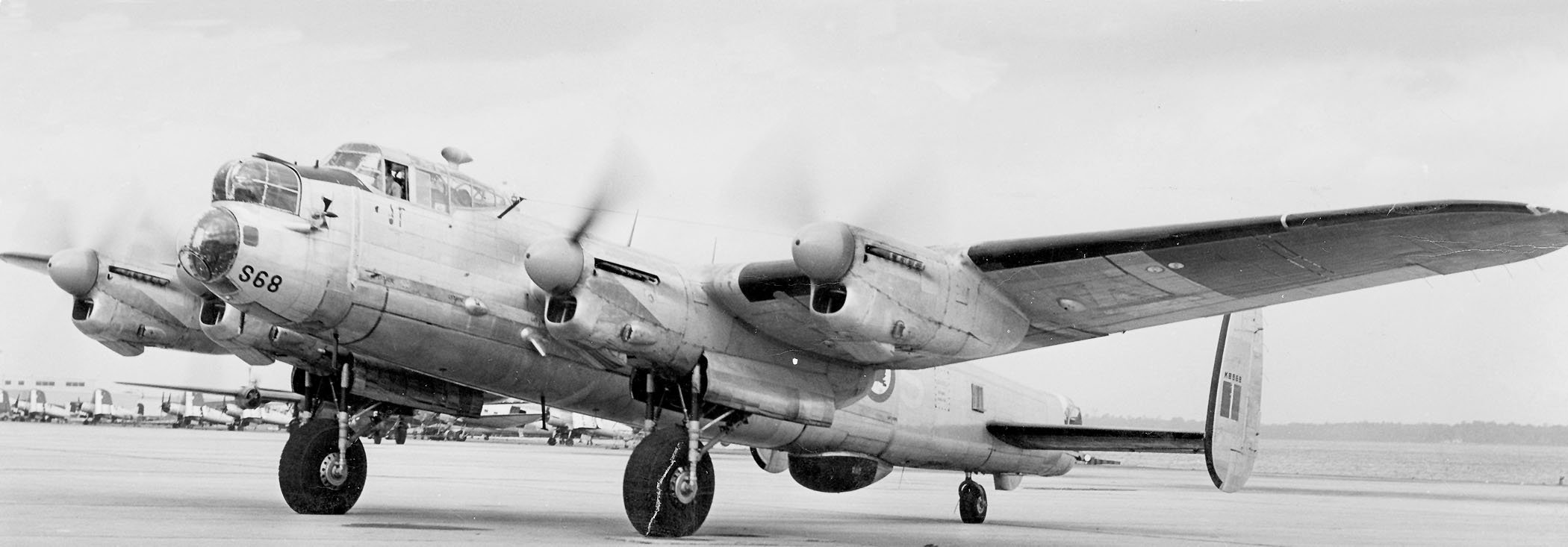
Canada kept its Lancasters longest. In 1950, lacking a long-range patrol aircraft, the RCAF had stored B.Xs rebuilt by Avro Canada and de Havilland Canada as Mk 10MR (later 10MP) anti-submarine aircraft; 70–75 were converted and served until Lockheed Neptunes replaced them in the mid-1950s. Other Mk 10s mapped the North (10P), flew Arctic surveillance (10AR), controlled target drones or tested the Orenda jet engine. The last RCAF Lancaster flight took place on 4 July 1964.
France's Aéronavale received 59 overhauled B.Is and B.VIIs in 1952–53 and flew them for maritime reconnaissance and rescue from France and New Caledonia until the mid-1960s. Both of today's flying Lancasters had post-war careers like these: PA474 as a PR.1 in Africa and FM213 as a 10MR and search-and-rescue aircraft over the Atlantic.