Boeing B-17B / B-17C / B-17D Flying Fortress (early production)
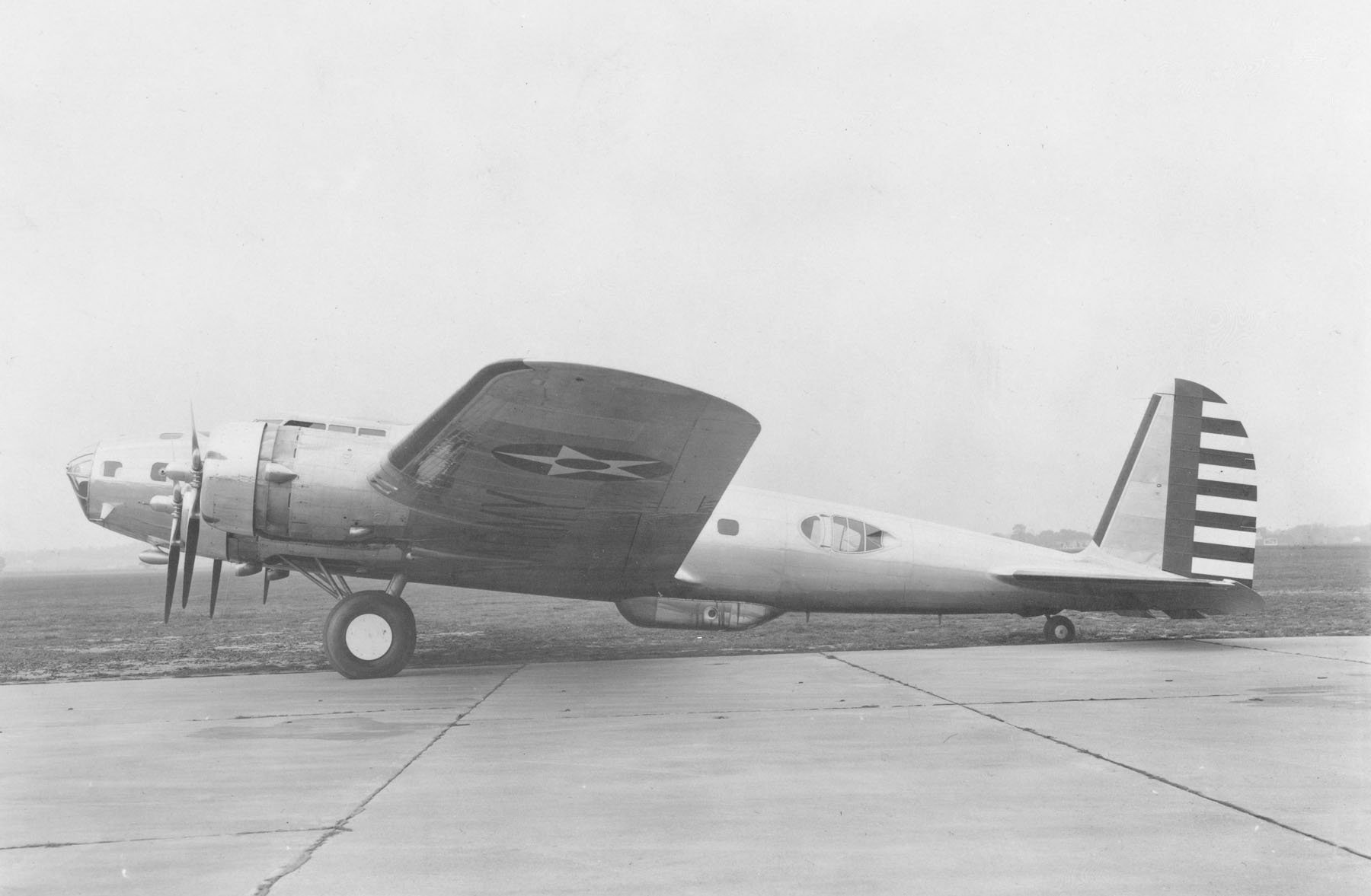
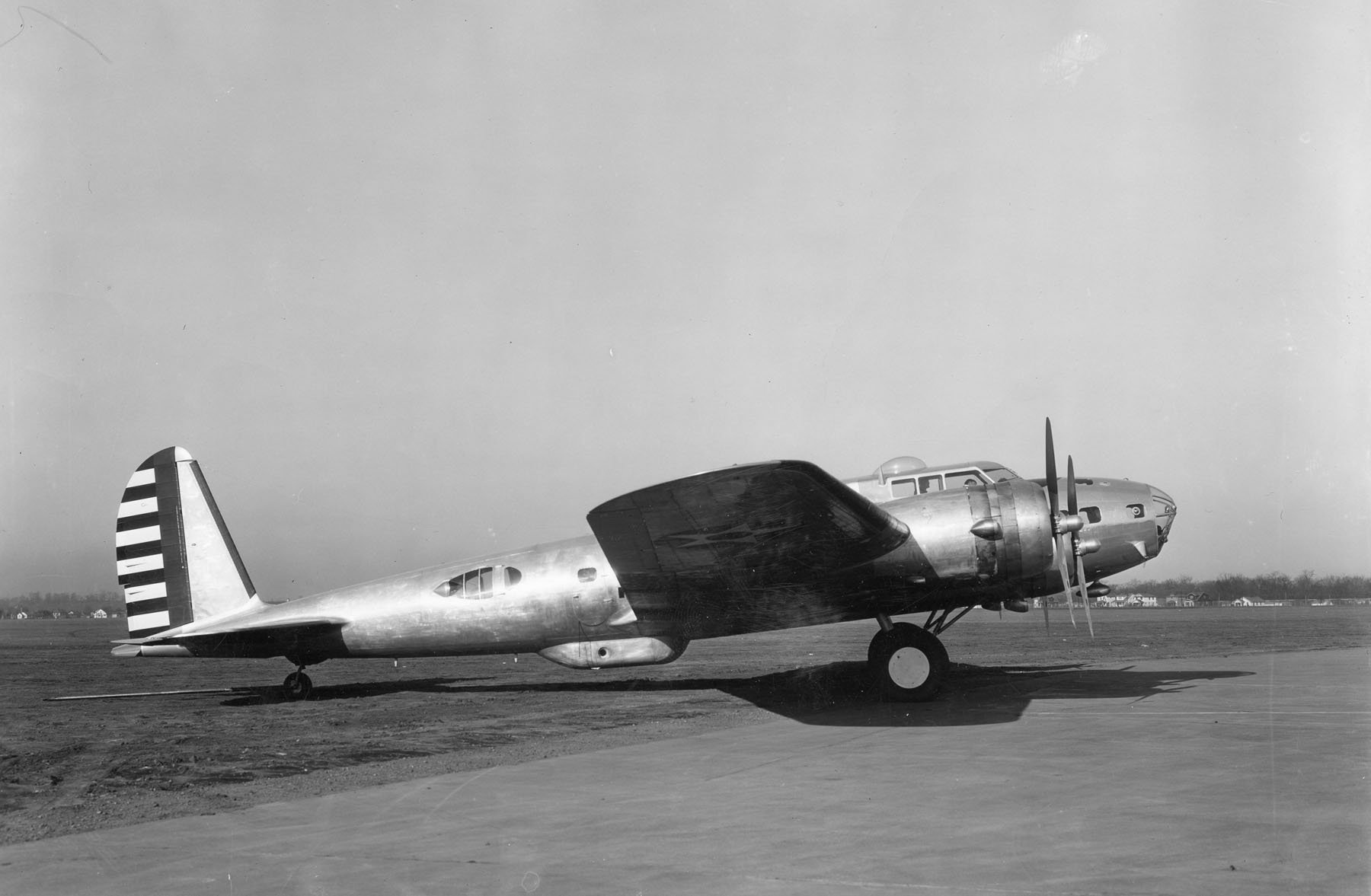
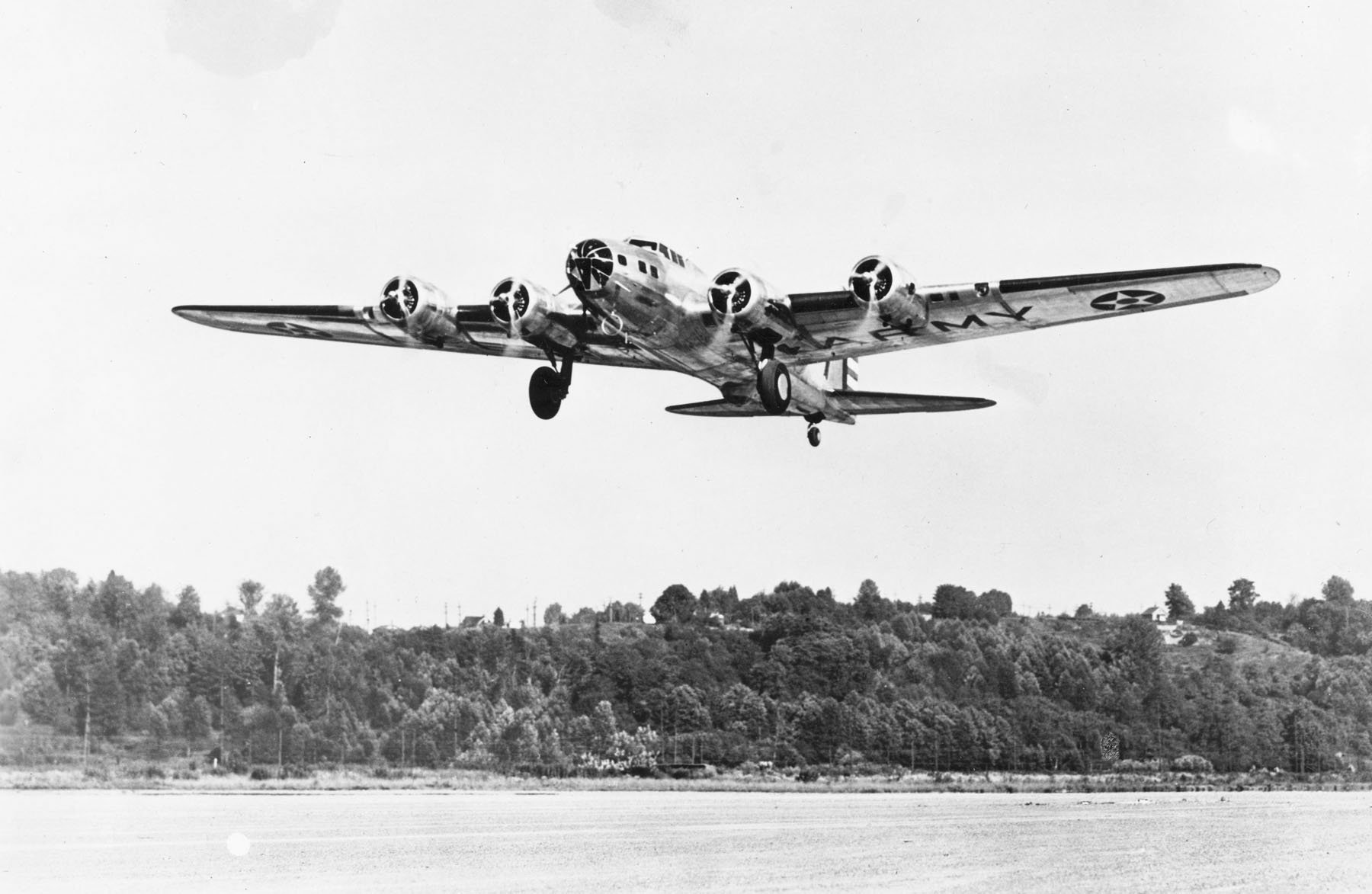
The shark-fin Fortresses — small tail, no tail gunner, a ventral 'bathtub' gun position · First flight 1939 · In service 1939
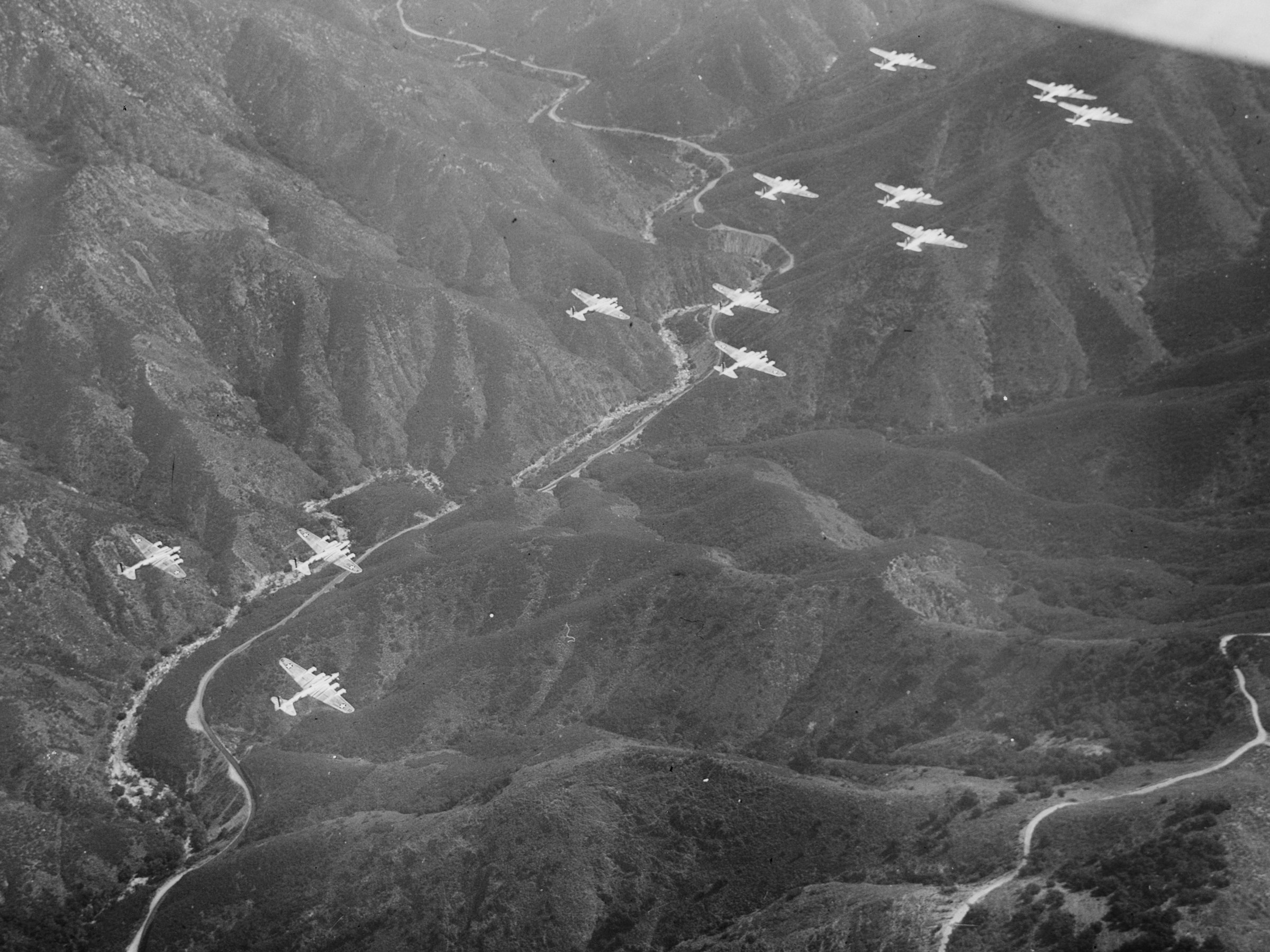
The B-17B was the first large production batch after the service-test Y1B-17s: essentially the earlier design with a redesigned nose, larger rudder and flaps, and hydraulic brakes. It first flew on 27 June 1939 and 39 were built. The B-17C of 1940 added more powerful R-1820-65 engines, self-sealing fuel tanks and armour, replaced the bulged waist blisters with flush panels and introduced the ventral 'bathtub' gun position; 38 were built.
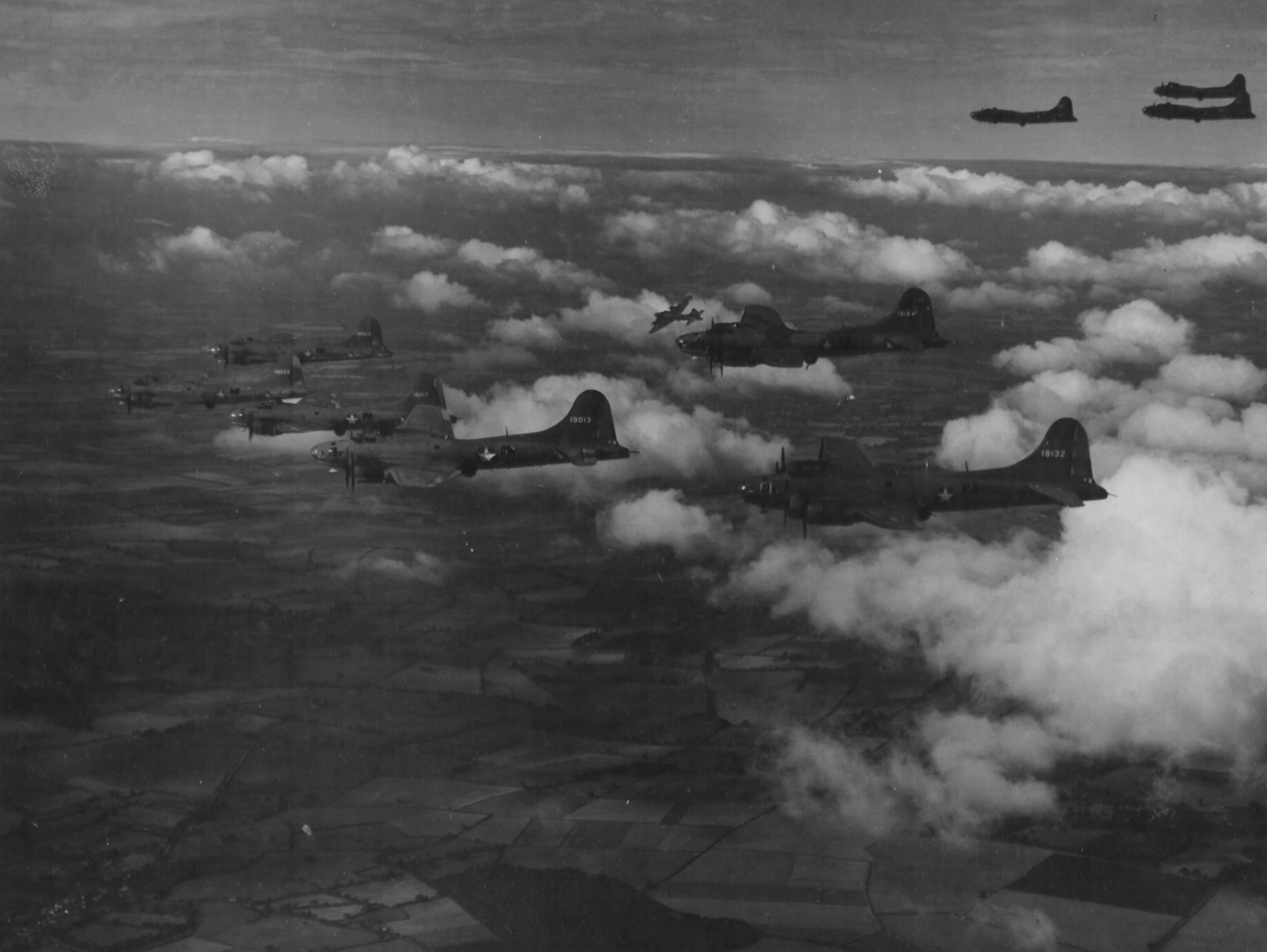
Twenty B-17Cs went to the Royal Air Force as the Fortress I. Their first operation, against Wilhelmshaven on 8 July 1941, was a failure, and by September eight had been lost in combat. The B-17D, of which 42 were built, added adjustable cowl flaps, more armour, a tenth crew position and twin guns in the dorsal and ventral positions.
B-17C/Ds made up most of the US bomber force in Hawaii and the Philippines in December 1941; the Far East Air Force lost about half of its 35 B-17s at Clark Field in the first Japanese strike. Capt. Colin Kelly held his burning B-17C steady so his crew could bail out and was posthumously awarded the Distinguished Service Cross. B-17D 'The Swoose', which flew combat from the first day of the Pacific war, is the oldest surviving B-17.